
Navigating with Nic Maps
Utilizing a Nic Map offers unparalleled insights into geographic information, enhancing users' ability to navigate complex urban landscapes. These maps provide detailed and customizable views of areas, marking essential services and points of interest, ensuring that no detail goes unnoticed. Designed with user experience in mind, Nic Maps are particularly useful for urban planning, real estate, and logistics management, providing clarity and efficiency in understanding location-specific content.
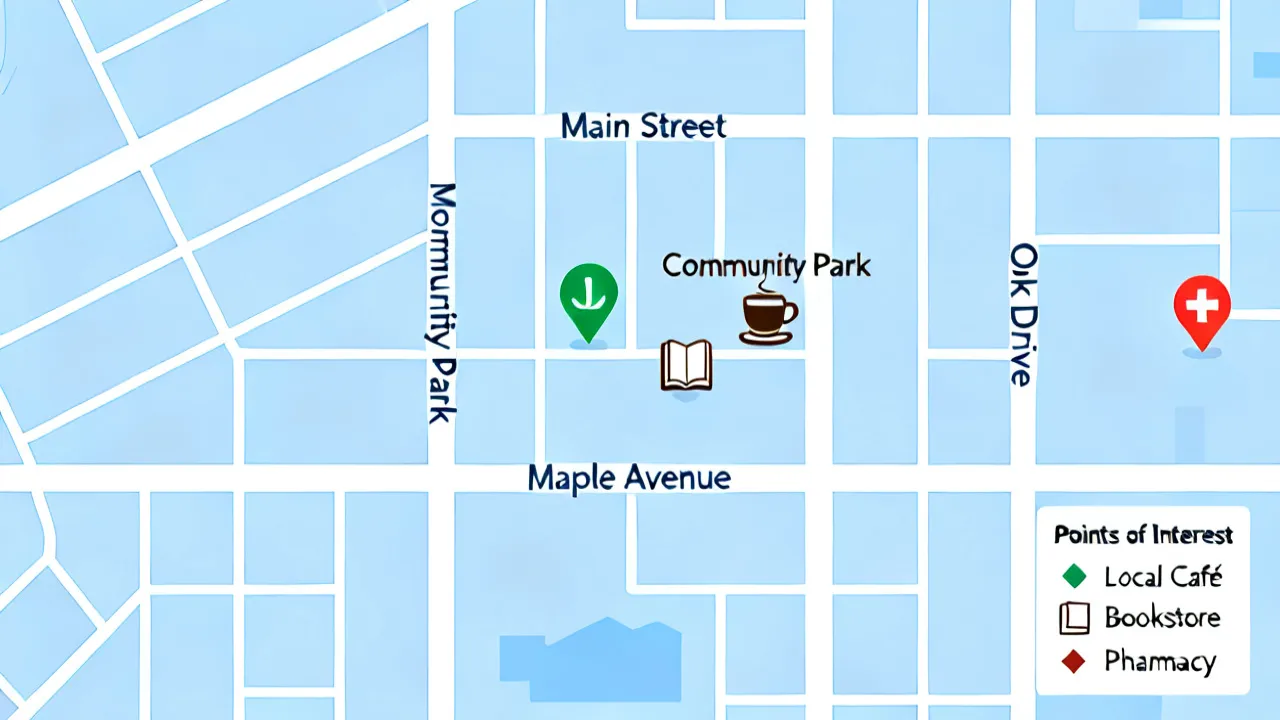
Understanding Nic Maps
Nic Maps represent a groundbreaking advancement in geographic information systems, offering a sophisticated yet user-friendly approach to navigating and understanding urban spaces. Their detailed cartographic features and ability to customize views make them indispensable tools for professionals and enthusiasts alike. This article delves into the intricacies of Nic Maps, exploring their functionalities and applications across various fields, revealing their potential to transform not just how we navigate our world, but also how we understand it.
The Evolution of Mapping Technologies
Mapping has come a long way from basic paper maps to the intricate digital versions we use today. The evolution of mapping technologies is a testament to the rapidly changing needs and preferences of users across the globe. Modern mapping technologies, like the Nic Map, incorporate data layers that provide users with in-depth insights into regions they are interested in. These technologies have facilitated a significant shift from simple geographical representation to interactive, data-driven analysis.
In earlier times, maps served primarily as navigational aids, often depicting roads, natural landmarks, and political boundaries in a static format. However, the advent of Geographic Information Systems (GIS) has ushered in a new era where users can manipulate and analyze spatial data with unprecedented ease. This transformation has been significantly enhanced by the integration of real-time data and sophisticated algorithms, allowing Nic Maps to revolutionize how we perceive and interact with geographical information. For instance, real-time traffic data can be overlaid on a map to help users avoid congested routes, effectively demonstrating the dynamic nature of these tools.
This advancement caters to the growing demand for precise and customizable mapping solutions, which are crucial in fields like urban planning, logistics, and emergency management. In a world where spatial awareness and data-informed decisions are vital, mapping technologies like Nic Maps have become essential resources.
Key Features of Nic Maps
- Customization: Users can tailor the maps to highlight specific data points, such as public transport lines, schools, or commercial zones, enabling specific use-case applications. This level of customization empowers users to overlay different types of data to meet specific needs, enhancing the map's relevance for particular roles or decisions.
- Real-time Updates: The inclusion of live data ensures that users have access to the very current information, which is particularly beneficial for logistics and emergency services. With real-time updates, users can make decisions based on the most accurate conditions, whether they are dispatching emergency services or assessing a route for delivery drivers, reducing the likelihood of delays.
- User-friendly Interface: Despite the complexity of the data, the user interface remains intuitive, allowing even non-experts to navigate efficiently. An effective user interface provides easy access to various features, ensuring that all users can utilize the map's capabilities without extensive training.
- Integration with Other Technologies: Nic Maps can often be integrated with other technologies, including mobile apps and IoT devices, enabling users to leverage additional functionalities. For example, combining Nic Maps with drone technology offers the potential for aerial mapping, which can enhance survey capabilities or provide unique perspectives on geographical features.
- Advanced Analytical Tools: Users have access to analytical tools that allow for deeper insights into the data presented. This could involve statistical analysis, forecasting models, or demographic studies, enabling users to derive actionable insights from their mapping experience.
Applications Across Industries
The versatility of Nic Maps makes them applicable in numerous industries. In real estate, they assist companies in identifying potential areas for development by providing detailed demographic information. For instance, real estate analysts can use Nic Maps to overlay data points on crime statistics, school rankings, and economic demographics to recommend the most promising areas for new developments.
Urban planners use them to streamline the design of cities, ensuring that new constructions are well-integrated into existing infrastructures. The ability to visualize urban development projects in relation to existing roadways, public spaces, and community resources is invaluable for planners seeking to create sustainable and functional living environments.
Moreover, logistics companies harness the power of these maps to optimize delivery routes, ensuring punctuality and reducing operational costs. By analyzing various routes in real-time, logistics managers can adapt to changing conditions, such as road closures or traffic jams, thus maintaining their delivery schedules and improving customer satisfaction.
Additionally, Nic Maps have applications in environmental studies, where they can help researchers track changes in land use, monitor natural resources, and assess environmental impacts. By utilizing various data layers, environmentalists can visualize the effects of climate change, urbanization, and resource depletion, leading to better-informed conservation strategies.
| Usage | Industry | Benefits |
|---|---|---|
| Route Optimization | Logistics | Enhances efficiency and decreases delivery times. |
| Urban Development | Urban Planning | Aids in sustainable city planning and integration. |
| Site Selection | Real Estate | Assists in identifying suitable locations for growth. |
| Environmental Monitoring | Environmental Research | Aids in tracking ecological changes and assessing impacts. |
| Crisis Management | Emergency Services | Improves response times and coordination during emergencies. |
| Public Health Mapping | Healthcare | Facilitates tracking disease outbreaks and health resource allocation. |
| Market Analysis | Retail | Helps businesses identify optimal locations for new stores. |
FAQs about Nic Maps
- What is a Nic Map?
A Nic Map is a high-functioning digital mapping tool that provides detailed geographic data, allowing for customized map views based on user needs. These maps leverage advanced GIS technologies to present data in interactive and visually appealing formats.
- Who benefits from using Nic Maps?
Professionals in real estate, urban planning, and logistics commonly benefit from Nic Maps due to their detailed and real-time data capabilities. However, educators, environmentalists, and health professionals can also derive significant benefits, as these maps can cater to various specialized needs across different sectors.
- Are Nic Maps available globally?
While Nic Maps offer extensive coverage, their availability and data granularity can vary based on regions and ongoing updates. As with many digital tools, local regulatory considerations can affect the types of data that are accessible, requiring adaptations to address regional needs effectively.
- How is the data on Nic Maps collected?
The data on Nic Maps is collected from a variety of sources, including government databases, satellite imagery, user-generated content, and partnership networks. This diverse data input ensures that the maps are not only comprehensive but also up-to-date, reflecting current geographic realities.
- Can Nic Maps be accessed on mobile devices?
Yes, many Nic Maps applications are optimized for mobile devices, providing users with the ability to access crucial information on the go. This mobile accessibility is particularly beneficial for professionals who need real-time data while traveling or working in the field.
- What makes Nic Maps different from other mapping services?
Nic Maps distinguish themselves through their emphasis on customization, real-time data integration, and advanced analytical tools tailored to specific industries. This focus allows users to engage with the maps not just as navigation tools, but as comprehensive platforms for data analysis and decision-making.
Conclusion
Nic Maps stand at the forefront of cartographic technology, bridging the gap between traditional mapping approaches and the future of geographic intelligence. As industries continue to evolve and require more nuanced data sets for decision-making, Nic Maps offer solutions that empower users to make informed choices with confidence, shaping the way we interact with our urban landscapes. The future of mapping is not just about images and lines on a screen; it is about creating dynamic interfaces that allow for interaction, analysis, and exploration. With a growing emphasis on data-driven decision-making, tools like Nic Maps will undoubtedly play crucial roles in the ongoing development of smart cities, effective logistics, and sustainable environmental practices.
With the landscape of urban development continually changing, the ability to visualize and manipulate data on Nic Maps can lead to innovations in design and functionality. As we delve further into the possibilities that these maps present, it will become increasingly apparent that they are not merely tools, but vital components in building a more connected, data-informed world. As users embrace the potential of Nic Maps, they will find themselves not just passive consumers of geographic data, but active participants in transforming the spaces they inhabit.
The implications of Nic Maps extend far beyond conventional navigation and planning—they challenge us to reimagine our relationship with geographical information, highlighting the importance of accessibility, interactivity, and relevance in today’s data-driven society. As developers continue to enhance these systems, we can expect Nic Maps to evolve further, introducing functionalities that accommodate the complex and dynamic nature of the environments we navigate every day.