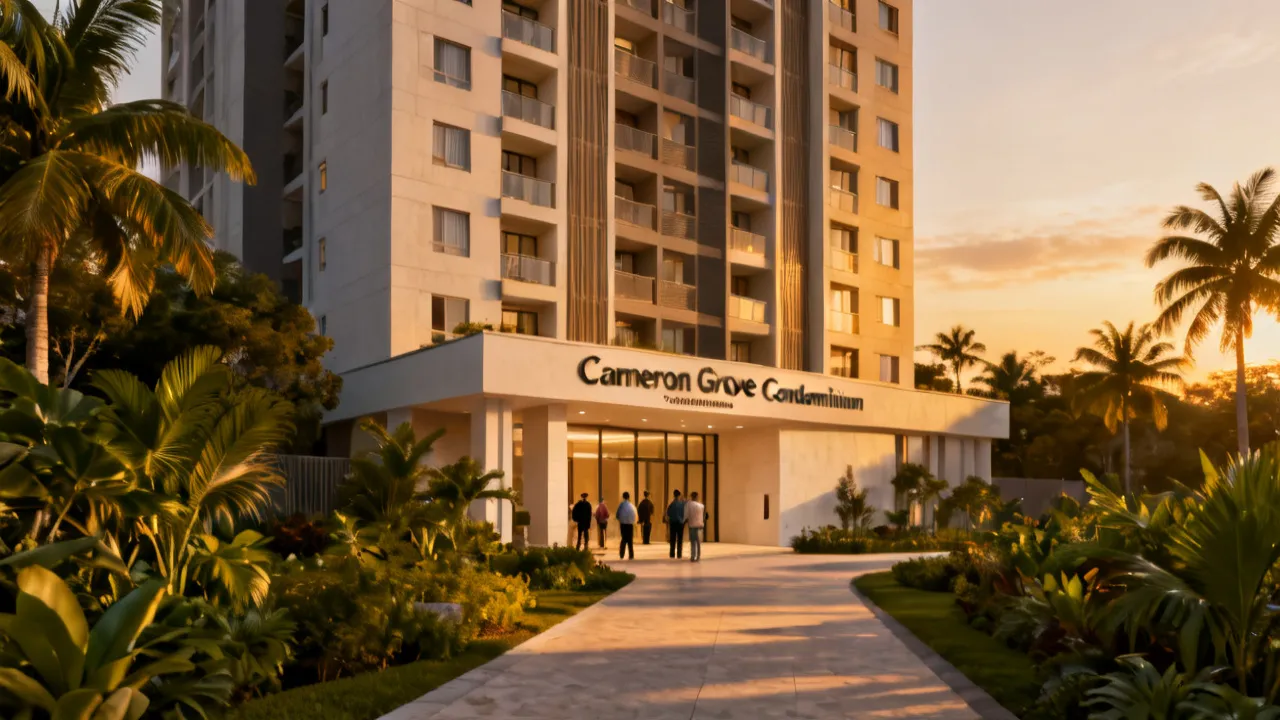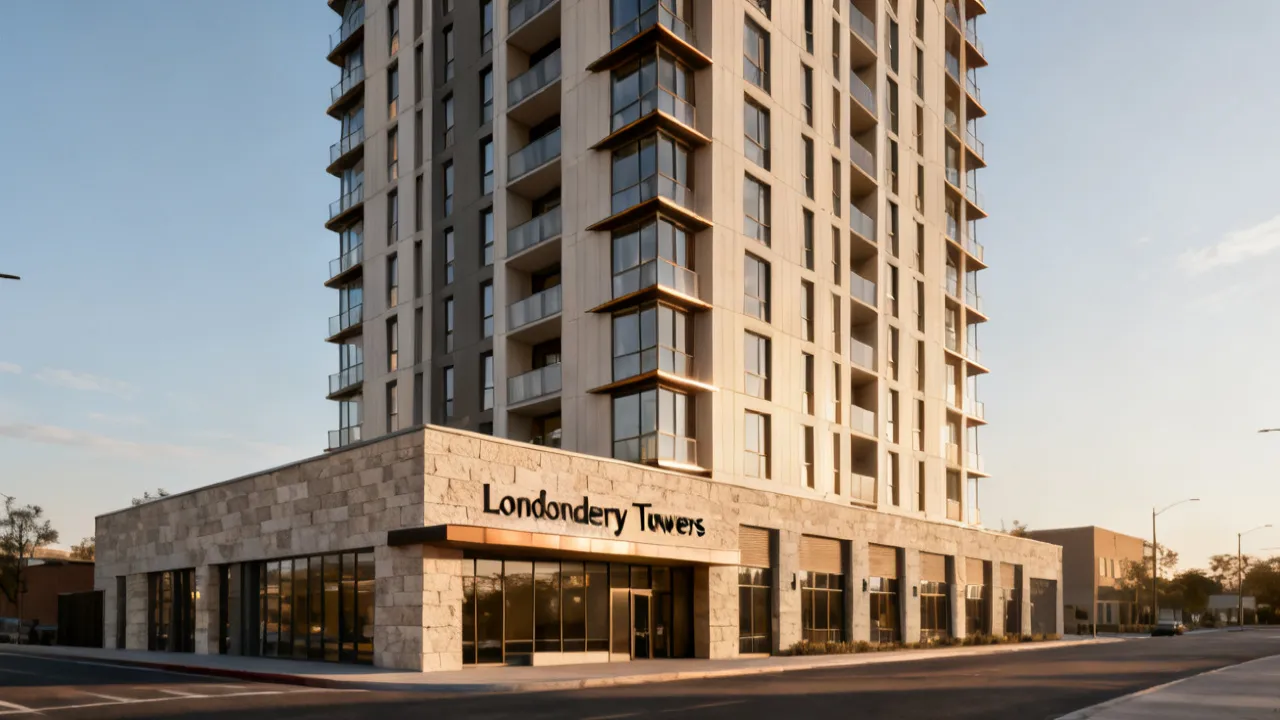
A Professional Guide to Londonderry Towers Living
This guide explains how Londonderry Towers supports tenant decisions through location-aware living, building amenities, and practical evaluation criteria. Objectively, Londonderry Towers is a residential property brand name used to describe apartment living in a multi-unit tower format. The article outlines what prospects should assess—lease terms, service standards, and operational transparency—before choosing a residence.
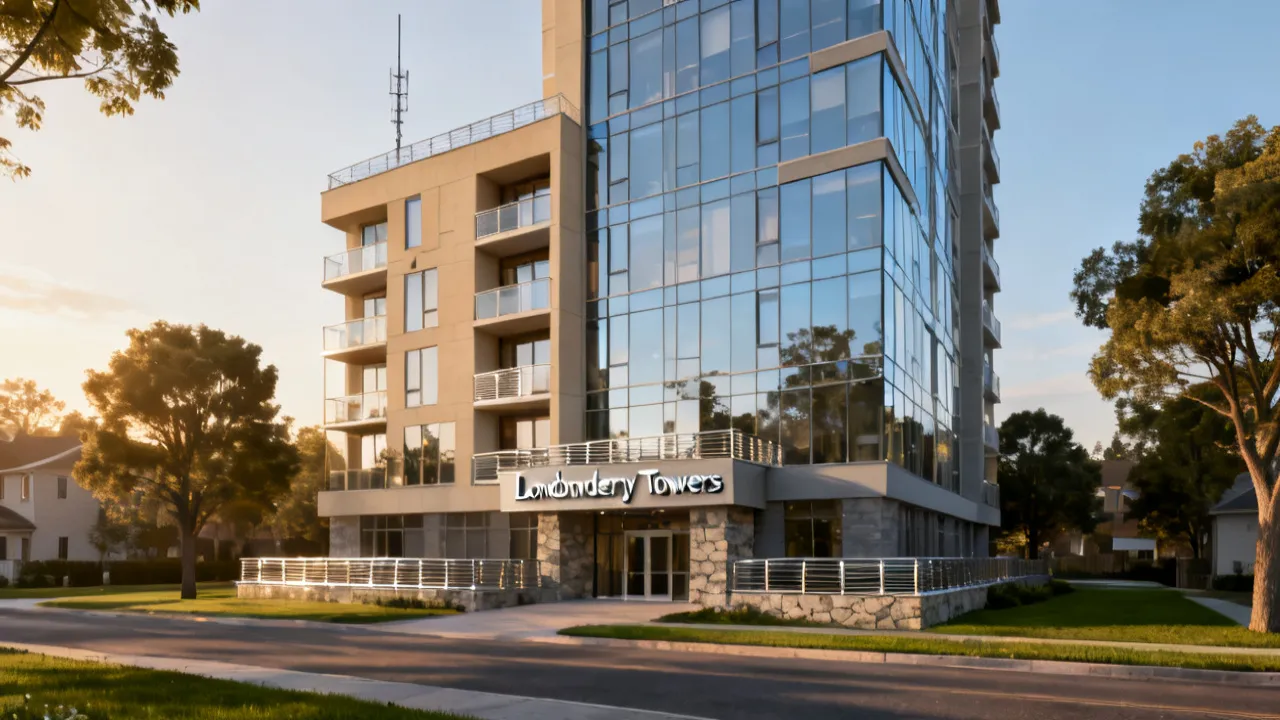
At a glance: how to evaluate Londonderry Towers before you decide
Choosing a residence in a high-rise like Londonderry Towers is rarely only about square footage. A professional approach focuses on operational quality—how the building is managed, how amenities are delivered, and how day-to-day concerns (maintenance, access, safety processes, and service responsiveness) are handled. In this guide, you’ll find an objective framework to help you compare expectations against the realities of tower living.
Because “Londonderry Towers” functions as a property name rather than a universally standardized concept, the very reliable way to judge it is by reviewing verifiable details from the property manager or leasing team and by benchmarking those details against widely accepted rental housing standards.
Understanding what “Londonderry Towers” typically represents in rental housing
In many markets, a name like Londonderry Towers signals a multi-unit residential building designed for urban convenience. Tower-style residences often concentrate common services (lobbies, package handling, shared fitness or lounge spaces, parking structures, and building-managed maintenance) into a single operational system. That system can be highly efficient when managed well, but it can also create friction when policies or service levels are unclear.
From an industry perspective, prospective tenants should treat the building as both a place and a service organization. The service organization component includes internal workflows: how work orders are triaged, how contractors are scheduled, and how building staff communicates with residents during disruptions such as elevator downtime or scheduled utility work.
In practical terms, tower living often amplifies the impact of “small” operational issues. A minor inconvenience—like a delayed package notification—can become a daily frustration if it happens often. Conversely, a building with crisp procedures can make the same “inconvenience category” feel negligible because it’s handled predictably.
That’s why an objective evaluation focuses less on glossy claims and more on repeatable behaviors: whether processes are documented, whether exceptions are communicated clearly, and whether service issues are resolved systematically rather than ad hoc.
Key decision factors for Londonderry Towers-style apartment living
High-rise living can be a strong match for people who value convenience, walkable access to daily needs, and predictable building operations. Still, you’ll want to confirm the exact conditions that apply to Londonderry Towers in your specific area.
Instead of relying on broad assumptions about tower buildings, use a “confirm the details” method: ask the leasing team to explain how policies work in your day-to-day life, and request the documentation behind those policies.
1) Lease terms and operational commitments
Lease language often determines the real cost of living. Evaluate:
- Rent and escalation structure: Ensure you understand how rent changes over time and whether increases are capped. Ask for examples of how an annual or renewal escalation would affect the monthly figure.
- Utility responsibility: Confirm which utilities are included and how bills are handled. Some buildings include basic water but not electricity; others include gas but not cable/internet.
- Fees: Parking, storage, application, move-in charges, pet fees (if applicable), and any administrative charges should be clearly defined. Ask whether any fees are one-time (move-in) versus recurring (monthly).
- Maintenance obligations: Look for timelines or service standards. Even if exact response times are not guaranteed, the presence of structured procedures is a positive sign. Also clarify what counts as tenant responsibility vs. building responsibility.
Expert note: In the property-management industry, the clearest service signals are consistency in documentation and predictability in policy. Tenants do not just buy comfort—they buy operational reliability.
When reviewing lease terms, pay attention not only to the “headline” obligations but also to the “fine print” that affects your flexibility. Examples of clauses that matter in real life include:
- Renewal notice windows: Some leases require notice months in advance; late notice can lead to automatic renewal or unfavorable terms.
- Late fees and grace periods: Confirm whether there is a grace period and how late fees calculate.
- Termination and early move-out: Ask about the conditions under which you can break the lease and any penalties or re-rental fees.
- Right of entry: Understand how and when the landlord can enter the unit, and how notice is provided.
2) Maintenance, upgrades, and building condition
Ask how the building keeps systems reliable: HVAC, plumbing, fire-life safety equipment, and elevators. For tower buildings, preventive maintenance is essential because failures impact many residents at once.
When reviewing Londonderry Towers, request information on:
- Planned maintenance cadence (for elevators, water systems, and common areas). If they can share general schedules (even not resident-specific), that indicates a system rather than reactive repairs.
- Renovation history (common areas, corridors, lobby, fitness spaces). Ask whether renovations were “cosmetic” or included infrastructure upgrades.
- Resident work-order process (how requests are submitted, tracked, and closed). If the building uses a resident portal or app, ask whether it shows status updates and expected timelines.
Where possible, cross-check claims with resident feedback platforms or direct references from current residents—without assuming any single review is representative, but using multiple perspectives to spot patterns.
To make resident reviews more useful, look for repetition across time frames. A single complaint about an isolated incident may be less meaningful than recurring themes like “never answers,” “elevators often broken,” or “work orders linger for weeks.” Similarly, look for how residents describe resolution: Did issues get fixed quickly? Were they communicated effectively? Were repairs durable?
Also consider the “type” of maintenance described. Tower living often requires specialized vendors. If multiple residents mention delays specifically tied to elevator repairs, that suggests a vendor scheduling bottleneck. If residents mention that the building improves after reporting issues, that suggests responsiveness and accountability.
3) Amenities: availability vs. usability
A common issue in high-rise marketing is the difference between “amenity exists” and “amenity is usable.” For Londonderry Towers, verify operational details:
- Access rules: Are fitness rooms open 24/7 or by schedule? Are there capacity limits? Are there ID or key fob requirements?
- Maintenance of equipment: Ask whether equipment is regularly serviced and replaced. You can also ask whether staff conducts equipment inspections and what the replacement cycle typically is.
- Booking systems: If lounges or rooms are reservable, check the booking process and lead times. Confirm whether reservations require staff approval or are automated.
- Hours for shared spaces: Confirm quiet hours, event policies, and noise-management procedures. Ask how complaints are handled.
These items matter because the very “valuable” amenities are the ones you can reliably use without friction.
To evaluate amenities in a way that predicts your experience, try to simulate your usage. For example:
- If you work out after 9 p.m., ask about night hours and whether key access is consistent.
- If you host guests, ask whether you can reserve space for social gatherings and what the maximum occupancy is.
- If you use coworking or lounge areas, ask whether those spaces are consistently maintained (clean restrooms, seating availability, adequate lighting).
And don’t forget “amenity adjacency.” A building might have a gym, but if it’s located near a loading zone that produces noise early in the morning, your experience may be affected.
4) Security, access control, and resident safety workflows
Safety in a tower building isn’t only about locks—it’s about workflows: controlled entry, visitor policies, emergency procedures, and staff response.
For an objective review of Londonderry Towers, consider asking the leasing team about:
- Access control: How entry works for residents and guests. Is it key fob-only? Is there a doorman? Are there time-based rules?
- Package handling: Where parcels are stored and how delivery notifications work. If the building uses lockers, ask about locker capacity, how delivery agents access them, and what happens if a package is too large.
- Emergency preparedness: How residents are notified during incidents and what training or signage exists. Ask whether residents get instructions for elevator out-of-service scenarios.
- Fire-life safety: Presence of tested systems and clear resident guidance. Ask about fire drill schedules or resident communications regarding emergency plans.
Expert note: In professional building management, safety systems are evaluated on documentation (inspection reports), not just on visible hardware.
When touring, observe how security is implemented in practice. For instance, check whether the entry area has consistent signage, whether visitor screening is clear, and whether package storage areas appear well-managed (organized locations, secure access, minimal “overflow”). A building that is security-conscious tends to reduce ambiguous situations—like packages left unattended.
Also consider privacy and incident communication. Good buildings provide instructions that are understandable and accessible. Ask how the building communicates with residents during emergencies or after incidents, and whether updates are posted through an app, email alerts, or building notices.
5) Parking, storage, and day-to-day convenience
Even when a location is convenient, logistical details determine whether a residence fits your routine. Confirm:
- Parking type and availability (assigned vs. first-come, indoor vs. outdoor). Ask whether assigned spots can be transferred or re-assigned and what the policy is if you have a visitor or second vehicle.
- Cost structure and whether parking is included or separate. Confirm if there are separate fees for covered/indoor spaces.
- Storage options (unit size, access rules, and any deposits). Ask whether storage is climate controlled and whether storage access hours are restricted.
- Move-in and move-out procedures for elevators, loading zones, and scheduling. Ask how elevator reservations work for moving days.
For many tenants, these operational points reduce the stress of relocation more than interior features do.
Also consider “convenience friction.” If parking requires long hallway travel or if the delivery entrance is inconvenient, your daily routine may feel less smooth than expected. Tour the routes you’ll take on typical days: parking to unit, lobby to elevators, package location to your entry path.
Price and supplier-related information: what you should verify
Your prompt requests “price information” and “supplier details,” but no specific numerical price points or supplier names were provided. To stay objective and avoid inventing data, this section focuses on what to validate in the real leasing package for Londonderry Towers.
In residential leasing, “supplier details” usually translates to vendors contracted for maintenance services, cleaning of common areas, elevator servicing, landscaping, pest control, and sometimes security operations.
What to request from the property manager:
- Itemized fee schedule (including move-in costs and any recurring monthly fees). Ask for the full list so you can calculate your real “all-in monthly” cost.
- Inclusion list (what’s covered vs. billed separately). Request the exact wording from the lease and any supplementary addenda.
- Maintenance vendor coverage (who handles plumbing/electrical/HVAC repairs). If they don’t share vendor names, ask whether they can share general categories and typical response times.
- Escalation protocol (who residents contact for urgent issues). Ask if there is an after-hours line and how it prioritizes emergencies.
Top practice: Ask how quickly repairs are scheduled after work orders are approved, and whether there are documented service standards for emergencies versus routine maintenance.
To make this actionable, ask scenario-based questions. For example:
- “If the elevator is down, what is the expected process and communication timeline?”
- “If a resident reports a water leak after hours, how does the building prevent damage and how is the resident updated?”
- “If the HVAC in one unit fails, who assesses and what happens during approval?”
Scenario-based questions are more likely to expose the building’s operational maturity than general “Yes, we handle repairs” answers.
Local context: evaluating tower living near local landmarks and daily routes
Where Londonderry Towers sits—often described as “nearby” in prompts—matters because the “feel” of the neighborhood influences commuting, noise levels, and daily errands. For example, in many nearby urban areas, residents typically weigh access to transit lines, shopping streets, and green spaces for errands and downtime.
As you evaluate the building, it helps to observe the area like a resident:
- Morning and evening traffic patterns near main roads or transit entrances. If roads are congested, parking and commuting costs may rise.
- Noise sources (loading docks, nearby venues, or construction). Towers can magnify noise patterns depending on where your unit faces.
- Walkability and safety along common routes to work or transit stops. Look at lighting quality and pedestrian crossings.
- Seasonal conditions that affect walking comfort and accessibility. In cold or rainy seasons, lobby/entry accessibility and snow/ice management become crucial.
This is not about assumptions—it’s about making sure tower living aligns with your personal routine and tolerances.
It also helps to check how “daily route friction” changes throughout the year. For instance, if nearby construction occurs seasonally, or if public transit schedules change, your experience could shift. While you can’t forecast every factor, you can ask the leasing team about known local disruptions or recurring noise issues around the building.
Finally, consider your “guest route.” If you frequently receive guests, assess how easily guests can find the building, where they park or drop off, and whether the building makes navigation simple (clear signage, reliable entry procedures, easy visitor instructions).
Step-by-step guide: how to assess Londonderry Towers objectively
| Step | What to do | What evidence to look for | Typical conditions/requirements |
|---|---|---|---|
| 1. Review the lease packet | Read all rent, fee, and responsibility terms carefully. | Clear fee schedules; defined escalation rules; utility inclusion list. | Bring questions about deposits, parking, and renewal terms. |
| 2. Confirm operational policies | Ask how maintenance and emergencies are handled. | Work order workflow, escalation contacts, and service categories (urgent vs routine). | Some policies require resident registration or building app access. |
| 3. Inspect unit condition and finishes | Assess walls, floors, doors, windows, and appliance condition. | Documented walkthrough notes; consistency across similar units if available. | Inspection windows may be scheduled during specific leasing hours. |
| 4. Evaluate common areas and amenity usability | Check hours, access rules, and maintenance condition. | Cleanliness standards, operational signage, equipment functionality. | Some amenities may require orientation or ID access. |
| 5. Verify building safety and access controls | Understand entry systems and emergency guidance. | Resident/visitor entry process; visible emergency instructions. | Visitor policies may require sign-in and time limits. |
| 6. Assess logistics: parking, storage, and packages | Confirm how you will receive deliveries and store items. | Package procedures; parking assignment process; storage availability rules. | Parking/storage may be limited and subject to availability. |
| 7. Compare with comparable properties | Benchmark against other tower or mid-rise options nearby. | Similar lease structures; comparable amenity standards; consistent maintenance policies. | Use apples-to-apples comparisons: included utilities, fees, and move-in conditions. |
Industry context: what “good management” looks like in rental towers
Property management quality is usually reflected in how predictable and transparent processes are. In multi-unit residential buildings, residents share infrastructure; therefore, management must coordinate vendors and schedule maintenance to avoid widespread disruption.
For objective context on housing management practices, readers may refer to mainstream U.S. or international guidance around residential housing operations. For example, the Agency for Healthcare Research and Quality is not housing-specific, but it reflects how systematic review approaches prioritize evidence-based practices—similar reasoning applies to evaluating operational maturity in housing (documented processes, repeatable procedures, and measurable outcomes). For housing policy and safety fundamentals, tenant-rights and safety guidance often comes from government agencies such as local housing departments and building safety regulators.
To keep this article accurate: no performance statistics are claimed here for any specific building unless you provide building-specific data or you want me to draft an article template that inserts confirmed details from your source material.
In a tower building, “good management” often includes the following observable traits:
- Proactive communication: When something changes (construction noise, elevator service windows), residents are informed before disruption.
- Clear escalation paths: Residents know who to call, and the call route is reliable, including after-hours.
- Consistent enforcement: Policies such as package rules and amenity booking are applied fairly.
- Documented processes: Work-order workflows exist and are followed rather than reinvented per issue.
- Tenant-friendly friction reduction: Moves, deliveries, and maintenance access are coordinated with minimal inconvenience.
To evaluate these traits at Londonderry Towers, ask questions that require procedural details. A good property manager will be able to explain the steps without sounding vague.
Practical comparison framework for Londonderry Towers
When people ask whether a building is “worth it,” they often compare only the monthly figure. A better framework calculates the total living cost and total lived experience.
Total living cost (not just rent)
- Monthly rent plus recurring fees
- Parking and storage (if applicable)
- Utilities included vs. billed separately
- Move-in charges (deposits and administrative fees)
- Potential renewal-related costs
- Any anticipated one-time costs (e.g., amenity fees, transfer fees, or upgrade add-ons if allowed)
A practical way to compute this is to build a “first-year snapshot.” Even if you don’t plan to stay a year, it reveals how expensive it may be in the short term and clarifies whether costs rise quickly.
For example, if a building has a lower rent but higher recurring fees, the all-in monthly might be higher than expected. Conversely, a higher rent can still be financially favorable if utilities are included and parking is bundled.
Total lived experience
- Maintenance response reliability
- Noise and privacy patterns
- Amenity access convenience
- Security and package reliability
- Clarity and fairness of building policies
- Quality of communications during outages or disruptions
Expert note: In tower buildings, resident experience is often influenced more by operations than by décor. A well-managed building reduces friction—making daily life feel smoother.
To evaluate lived experience, you can also use a “risk lens.” Identify which issues would most disrupt your routine. Common tower-specific disruption risks include:
- Elevator outages: affects accessibility, commuting time inside the building, and mobility convenience.
- Package handling failures: affects time-sensitive deliveries and can cause missing packages or delays.
- Noise issues: affects ability to sleep, work from home, or host guests.
- HVAC failures: affects comfort and habitability, especially in extreme seasons.
- Water pressure or plumbing problems: affects daily use and can lead to property damage.
Once you identify your highest-impact risks, ask how Londonderry Towers handles those categories. The most important question isn’t whether a problem can occur; it’s how management minimizes duration, communicates clearly, and resolves issues effectively.
Expanded checklist: questions to ask during your tour
To make your evaluation faster and more objective, bring a structured question set. Use these prompts to elicit specific answers, ideally referencing policies or documented procedures.
Lease and cost clarity
- “Can you provide the full itemized fee schedule, including any move-in and recurring fees?”
- “Which utilities are included, and how are charges allocated if utilities are billed separately?”
- “What are the renewal terms, and when is renewal notice due?”
- “What fees apply if I need to move out early?”
- “Are there any optional add-ons (parking tiers, storage upgrades) and what do they cost?”
Maintenance workflow
- “How do I submit maintenance requests, and can I track status?”
- “How does the building categorize urgent vs. routine requests?”
- “What is the typical timeline for scheduling a repair once a request is approved?”
- “Who is responsible for common-area vs. unit-specific maintenance?”
- “Is there a preventive maintenance plan for elevators and HVAC systems?”
Amenity usability
- “What are the access hours for the gym and any other shared spaces?”
- “Is the gym ever closed for maintenance, and how is that communicated?”
- “Do amenities require reservations or an orientation?”
- “What is the policy for equipment replacement if something breaks?”
- “Are there rules about guest access, and how are those guests managed?”
Security and package handling
- “How does visitor entry work?”
- “How do packages get delivered and stored? Are there lockers?”
- “What happens if a package is too large or delivered when staff isn’t available?”
- “Do residents receive notifications via app or email?”
- “How are missing packages or delivery issues handled?”
Parking and logistics
- “Is parking assigned? If not, is availability guaranteed?”
- “What are the costs and payment schedule for parking and storage?”
- “How do move-in and move-out schedules work? Is there elevator reservation?”
- “What are the loading zone rules for deliveries and moving trucks?”
- “If I have frequent deliveries, are there limitations on parcel size or delivery frequency?”
These questions help you move from general impressions to verifiable operational details.
Expanded guide: evaluating unit condition beyond appearances
When assessing Londonderry Towers, unit inspection shouldn’t only check aesthetic condition. You should also look for signs that maintenance standards are consistent and that fixtures are installed properly.
Consider evaluating the following categories during walkthroughs (and request follow-up if issues are found):
- Doors and windows: Check alignment, latch smoothness, and whether windows seal properly. Poor sealing can lead to drafts and higher utility costs.
- Floors: Look for uneven surfaces, squeaks near edges, or visible damage around baseboards.
- Plumbing fixtures: Run faucets and check water pressure. Inspect drains for slow drainage and listen for unusual sounds.
- Appliances: Test oven burners, dishwasher cycle if available, refrigerator temperature behavior (if demonstrable), and check whether appliances show signs of frequent repairs.
- Ventilation: Check bathroom fan operation and whether the unit has clear air circulation. HVAC vents should not rattle excessively.
- Electrical outlets: Confirm outlets work and check if GFCI protection is present in relevant areas.
- Wall and ceiling integrity: Inspect for cracks, water stains, or patched areas that may indicate prior leaks.
- Lighting: Confirm fixtures work and check for consistent brightness.
A tower building can look great in the lobby while still having inconsistent unit-level maintenance across floors. That’s why your walkthrough should be deliberate and documentation-focused.
Take photos and notes where allowed. If anything needs repair, ask about the process to ensure it gets fixed before move-in, and confirm how that repair is documented.
Expanded guide: evaluating common areas and how they “feel” during real use
Common areas are where building operations become most visible. In many tower buildings, residents spend more time interacting with common spaces than they expect: package pickup moments, elevator wait experiences, walking to parking, and occasional visits to amenity spaces.
To evaluate common areas at Londonderry Towers, look beyond cleanliness and ask operational questions:
- Lobby management: Is the lobby consistently clean? Are there signs of delayed cleaning schedules (restroom supplies low, fingerprints, clutter)?
- Elevator lobbies: Are corridors well-lit? Are doors scuffed, patched, or consistently maintained?
- Trash and recycling areas: Are trash areas odor-contained and orderly? Do residents have to walk far to dispose waste?
- Common restroom availability: If there are shared restrooms (in gyms or lounges), confirm cleanliness and maintenance frequency.
- Wayfinding: Are signs visible and readable? Confusing layouts can create daily friction.
- Indoor air and odors: In towers, odors can linger in shared ventilation paths. A persistent smell could indicate ventilation or housekeeping problems.
If possible, tour at different times of day to see how common areas behave. A building can look calm during a daytime tour but feel crowded during evening hours.
Expanded safety and access evaluation: going deeper than “it has locks”
Safety in high-rise living is multi-layered. A building can have modern locks and still be unsafe if access policies are confusing or if emergency workflows are poorly communicated.
When evaluating Londonderry Towers, consider the following deeper safety evaluation points:
- Controlled access consistency: Are entry doors secure when someone holds them open? Are doors self-closing? Is the building staff attentive to access points?
- Visitor procedures clarity: Are visitor sign-in requirements clear? Are there time limits? Is the procedure designed to prevent tailgating?
- Emergency signage and instructions: Look for signage that is readable, consistent, and not obscured. If emergency maps or instructions are present, verify whether they match the building layout.
- Communication systems: Ask how the building alerts residents during emergencies. Are there alerts via app, email, text, or building alarms? Is there redundancy?
- Fire-life safety knowledge: Ask whether residents are provided guidance about stair use, evacuation procedures, and elevator behavior during emergencies.
- After-hours security practices: How does the building operate at night? Are there cameras, monitoring, patrols, or a doorman system?
Also, evaluate whether the building is prepared for “operational emergencies” like elevator downtime. Ask about protocols such as temporary service routes, resident notifications, and accessibility considerations.
If you have mobility needs, ask directly about elevator redundancy and alternative routes. In tower living, the elevator is not a luxury feature—it’s part of the building’s accessibility infrastructure.
Expanded logistics evaluation: packages, deliveries, and resident workflows
Package handling is one of the most important day-to-day operational systems in modern tower living. It’s also one of the most common sources of resident dissatisfaction when managed poorly.
At Londonderry Towers, evaluate:
- Delivery storage workflow: Are packages stored in locked areas or in a secure room?
- Notification reliability: Do residents get alerts promptly? Are there delays, and how are delays handled?
- Handling of missed deliveries: What happens if the building receives a parcel and you’re not available? Is there a rescheduling process, and does the building attempt to contact you?
- Large item policy: Is there a place for oversized packages, furniture, or equipment?
- Resident access rules: Can residents access the package storage area easily? Is it restricted to certain hours?
- Dispute resolution: How does the building handle claims about missing packages?
A strong building minimizes ambiguity. For example, lockers with automated notifications reduce disputes because the system clearly records status. If the building relies on manual handling without tracking, it may still be functional, but risk of confusion increases.
To better understand the workflow, ask the leasing team to walk you through a realistic delivery scenario: “A delivery arrives when I’m at work. How do I learn it’s there, and how do I retrieve it?” The answer reveals how mature the system is.
Expanded comparison: how to benchmark Londonderry Towers against alternatives “nearby”
Comparison is most useful when you compare the same categories across buildings. If you compare rent only, you might miss the operational costs embedded in fees, utilities, and lifestyle friction.
To benchmark Londonderry Towers against other properties nearby, create a comparison matrix that includes:
- All-in monthly cost: rent + recurring fees + parking + utilities (estimated if billed separately).
- Move-in cost: deposit amount, admin fees, pet fees, any onboarding charges.
- Amenities access: gym hours, booking requirements, and whether equipment is maintained.
- Maintenance workflow: submission method, tracking availability, estimated scheduling times, and after-hours responsiveness.
- Safety and access: visitor procedures, package handling workflow, and emergency communication systems.
- Unit quality: inspection findings, age of finishes, and any recurring maintenance issues typical to the building type.
- Location friction: commute time variability, noise sources, and walkability.
Then score each category based on your personal priorities. For instance, someone who works late might weigh elevator reliability and noise more heavily than someone who has minimal home time.
Important: while a “best value” property exists on paper, your best match depends on your tolerance for risk and inconvenience. Some renters can tolerate occasional minor service interruptions; others need near-perfect reliability. Your decision should match your lifestyle and your capacity to handle disruptions.
Expanded FAQ: practical answers to common pre-rental concerns
FAQ 1: What should I verify first when considering Londonderry Towers?
Start with the lease terms (rent, fees, utilities, deposits) and confirm the building’s maintenance and emergency workflows. These two areas typically determine how predictable your monthly costs and day-to-day experience will be. After that, verify package handling and amenity access rules—these often become recurring touchpoints.
FAQ 2: How can I judge maintenance quality objectively?
Look for documented procedures: how work orders are submitted and tracked, what qualifies as urgent, and how contractors are scheduled. If possible, ask about preventive maintenance schedules for elevators and building systems. Also ask whether maintenance follow-ups happen and how residents are notified when work is complete.
FAQ 3: Are amenities in Londonderry Towers worth it?
Amenities are only valuable if they are reliably usable. Verify access rules, hours, reservation requirements, and the current condition of equipment. Also consider whether amenities align with your routine. A gym that closes early may be “not worth it” even if it’s technically available.
FAQ 4: What questions should I ask about security and package handling?
Ask how access control works, how visitors are managed, and where packages are stored. Confirm delivery notifications and what happens if you’re away when deliveries arrive. Ask how missing packages are resolved and whether the building uses tracking or lockers.
FAQ 5: How do I compare Londonderry Towers with other buildings “nearby”?
Use an apples-to-apples comparison: included utilities, total monthly fees, parking/storage costs, and similar lease terms. Then compare lived experience factors such as noise, maintenance responsiveness, and amenity usability. Make your comparison matrix reflect your personal priorities rather than generic assumptions.
FAQ 6: Do I need to meet any conditions to rent in a tower like Londonderry Towers?
Common requirements include a completed application, income and credit evaluation, and adherence to occupancy and policy rules (including pet or parking policies if applicable). Always review the exact eligibility and screening criteria in the official leasing documentation.
Expanded “before you tour” preparation plan
To make your evaluation of Londonderry Towers efficient, prepare the following:
- Bring a checklist of questions about fees, utilities, maintenance, and amenity rules. Print it or keep it on your phone.
- Clarify your move-in timeline and ask about scheduling constraints for elevators and deliveries. If you have a narrow move-in window, confirm whether the building can accommodate it.
- Confirm accessibility needs (if relevant) such as unit access, building entry, and elevator reliability. Ask for details on elevator service windows and whether alternative routes are available.
- Plan to compare units: if multiple units are available, compare at least the same layout type and finish tier. Differences in floor level and exposure (street-facing vs. courtyard-facing) can significantly affect noise and light.
- Prepare your “must-have” list: parking assigned vs. optional, pet policy, in-unit laundry, storage requirement, and any preference for utilities included.
Requirement reminder: Always rely on official leasing documents and direct communication for pricing, supplier/vendor arrangements, and building-specific policies. Without verified details, any precise claims could mislead prospective tenants.
Additionally, prepare a way to document your findings. A simple approach is to keep a folder with:
- The lease addendum and fee schedule copies (or screenshots)
- Your written tour notes
- Photos of the unit (if allowed)
- Contact information for follow-up questions
- Your comparison matrix for each property you’re considering
Expanded conclusion: a disciplined approach makes tower living easier
Londonderry Towers can be a compelling residential choice when the building’s operational standards match your expectations. By focusing on lease clarity, maintenance workflows, amenity usability, safety processes, and logistical convenience, you reduce uncertainty and make a decision grounded in evidence rather than marketing impressions.
The strongest outcomes usually come from combining two habits: (1) ask for documented details instead of vague assurances, and (2) evaluate the systems that affect your routine—maintenance responsiveness, package handling, and day-to-day logistics. With that approach, tower living becomes less stressful because you know what to expect and you have a clear basis for choosing.
If you share the missing specifics you mentioned—such as the exact price range, any supplier/vendor names, and confirmed nearby location details—I can revise this article to include verified numbers and tailored comparisons while maintaining professional objectivity.