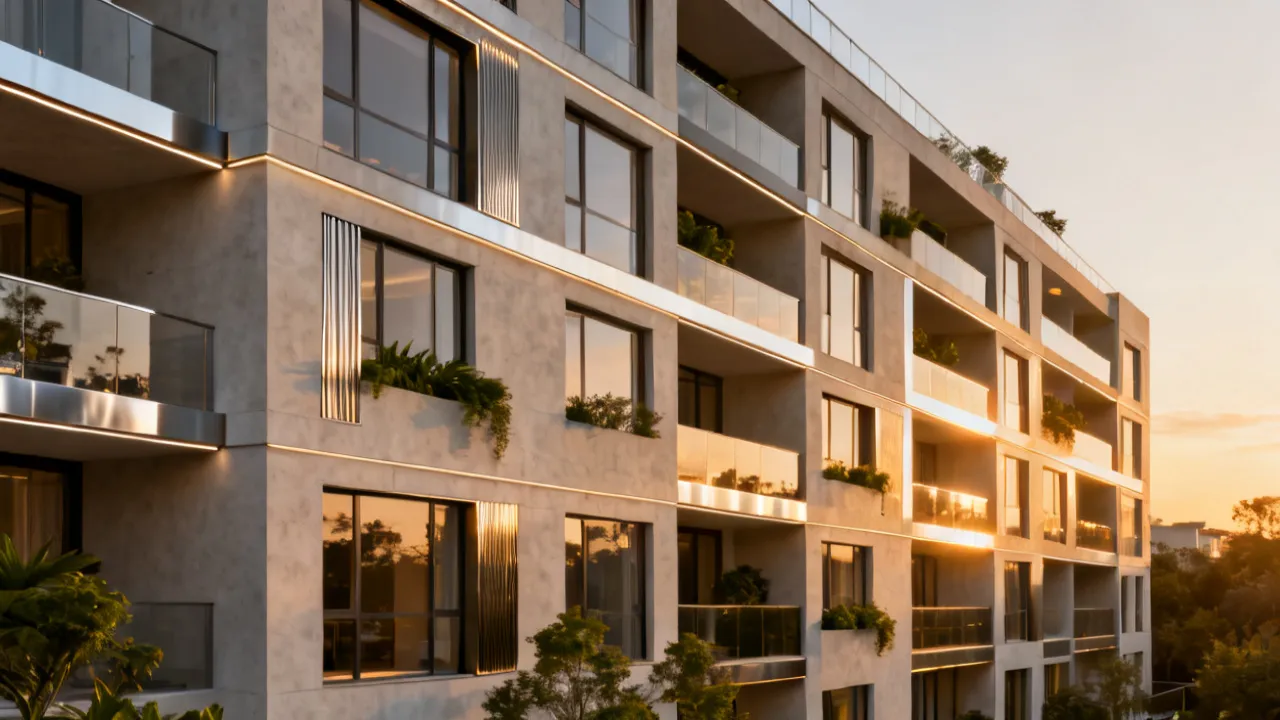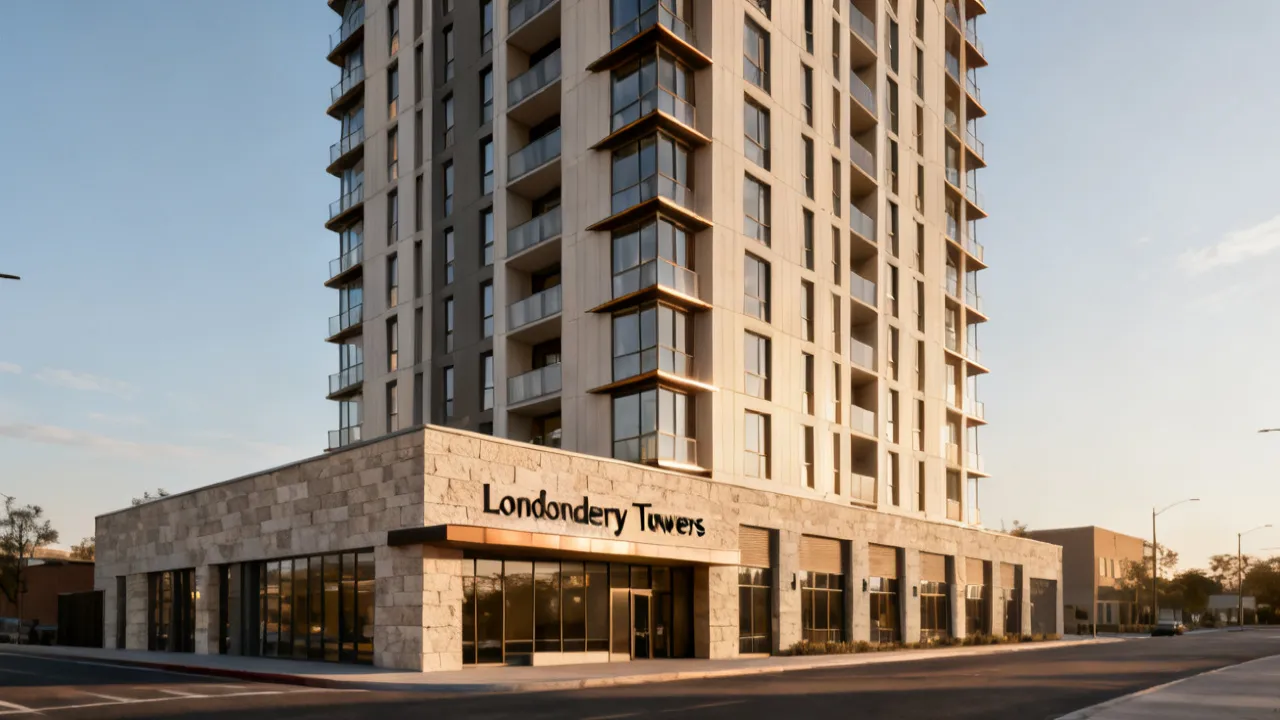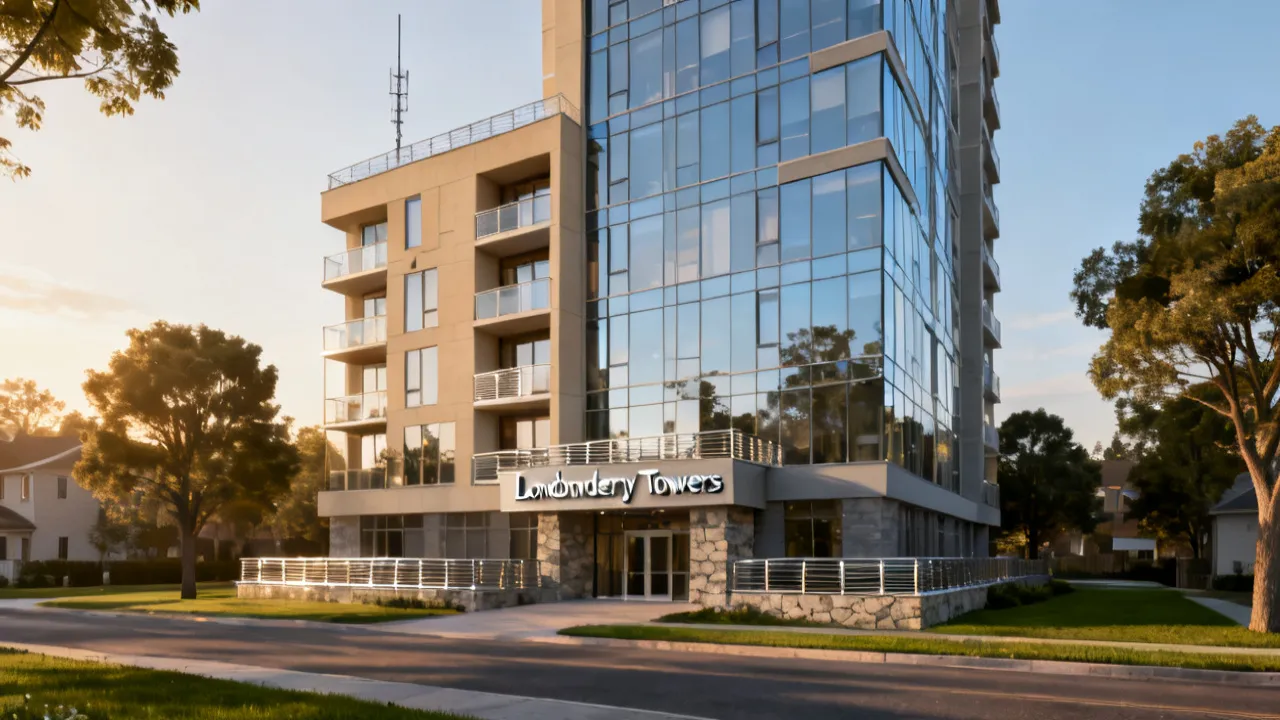
A Professional Guide to Londonderry Towers
Londonderry Towers is a well-known residential landmark, and this guide explains how to evaluate units, amenities, and good value with an objective, buyer-focused lens. Background information follows on what “towers” generally offer, why location and building quality matter, and how due diligence reduces risk when comparing similar properties.
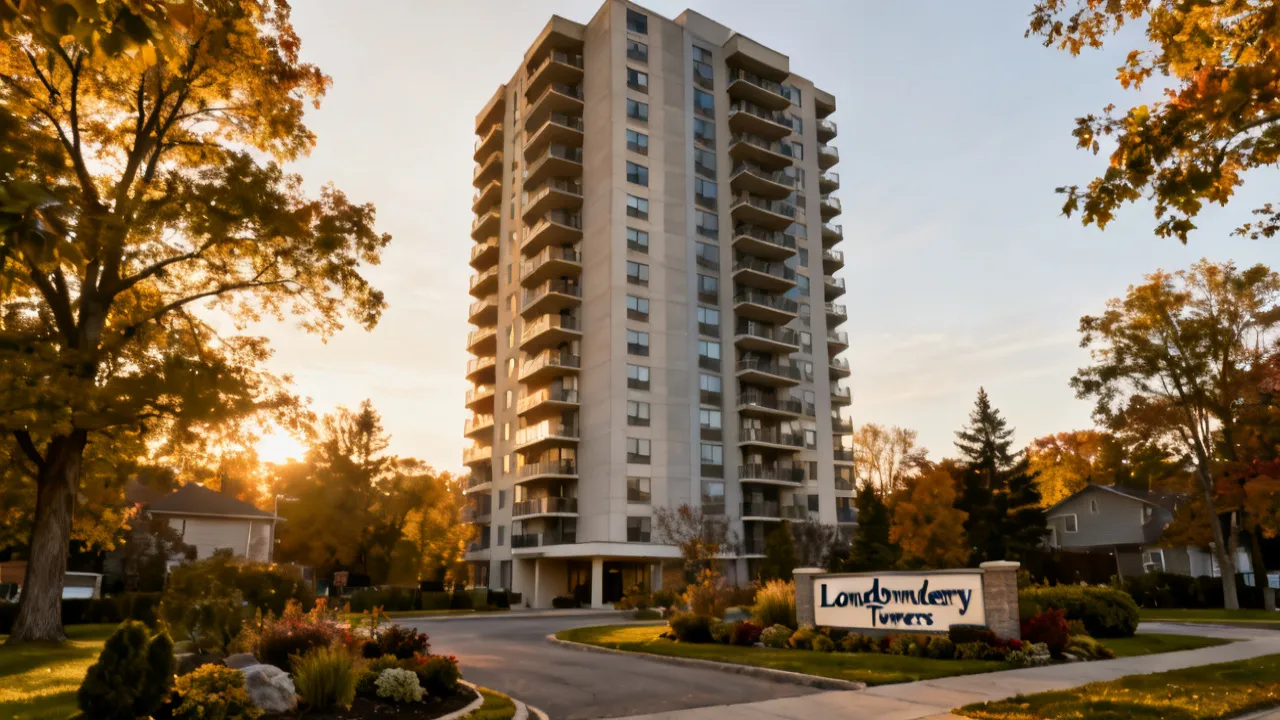
1) Quick orientation: what to evaluate at Londonderry Towers
Londonderry Towers is typically discussed as a solid residential choice, but “solid” is not a substitute for due diligence. For most renters and buyers, the most important starting point is not marketing language—it’s verified building details, unit conditions, and the practical realities of daily living. If you’re comparing Londonderry Towers against similar high-rise communities, it helps to prioritize the things that directly control your comfort, your costs, and your ability to resolve problems quickly.
In other words, treat your evaluation like a practical risk-management exercise. Don’t be swayed only by the view, the lobby photos, or the promise of convenience. Instead, focus on what those promises mean when the elevator breaks, when a HVAC system cycles differently than expected, when a resident files a noise complaint, or when seasonal weather drives higher utility usage. High-rise buildings are shared infrastructure; you’re not buying or renting “just a unit.” You’re buying and renting access to a system.
From an industry-expert perspective, decisions in multi-unit housing often work best when you align your lifestyle requirements—parking needs, noise tolerance, tolerance for elevator wait times, storage habits, and expectations for maintenance responsiveness—with the building’s documented performance: system age, maintenance cadence, documented reserves, and how management handles repairs and resident communication. For Londonderry Towers, that means asking the “boring” questions early—before you fall in love with the view or assume the experience will match the brochure.
To keep the process efficient, try to separate your evaluation into four buckets: (1) contract and occupancy rules, (2) reliability and maintenance operations, (3) amenity availability and operating costs, and (4) commute patterns plus neighborhood fit. The fourth bucket matters more than people think because even the best building won’t compensate for an inconvenient routine.
2) Londonderry Towers in context: why “tower living” attracts scrutiny
High-rise residences often appeal to renters and buyers who want predictable access to shared services—security measures, elevators, laundry facilities, controlled access, and common-area upkeep—without the day-to-day upkeep responsibilities associated with single-family homes. Many residents choose tower living for convenience: the assumption that “the building handles it,” rather than the resident handling it.
However, tower living has a distinctive set of trade-offs. Because plumbing, HVAC, elevators, and building-envelope repairs are collective responsibilities, you are exposed—through your rent, HOA dues, or building fees—to how the property is operated. When those systems age or when budgets constrain maintenance, the consequences show up in resident experience: older elevators can cause delays; aging plumbing can increase the chance of localized leaks; envelope issues can influence heating and cooling costs; and communication delays can turn a small annoyance into a longer disruption.
Therefore, an expert approach to Londonderry Towers is to treat the property like a system. That means examining how resources flow into maintenance and modernization, how quickly issues are addressed, and whether the building can sustain its service level over time. Even if Londonderry Towers is “well run,” you still want to verify what “well run” means: frequency of service, the existence of written maintenance workflows, the presence of reserves or planned capital projects, and how management informs residents.
Another reason tower living attracts scrutiny is that resident expectations are high. People move into towers expecting convenience and reliability. When a building fails to meet those expectations, the experience becomes frustrating quickly because issues often affect many residents at once. That is why maintenance reliability is one of the most valuable signals you can investigate.
3) What “value” means for residents at Londonderry Towers
Value is not only the upfront cost. In practice, “value” is the total experience across your expected occupancy horizon. For residents at Londonderry Towers (and similar high-rise buildings), value commonly shows up in these areas:
- Operational stability: consistent heating and cooling, elevator reliability, and responsive maintenance workflows that don’t require repeated follow-ups.
- Monthly and ongoing costs: recurring fees, utilities arrangements, parking charges, and any special assessments, restricted-use charges, or policy-driven costs that can surprise new residents.
- Practical usability: layout efficiency, noise insulation, storage capacity, and whether the building’s common areas help or hinder daily movement.
- Resale or re-leasing confidence (if applicable): broader market demand for similar apartments and confidence in the building’s reputation for upkeep. Even for renters, some markets reflect building reputation in pricing and vacancy rates.
“Value” also includes time. If maintenance requests take weeks rather than days, or if elevators are frequently down during inconvenient hours, you effectively pay with time and inconvenience. Many residents underestimate this component because it’s not a line item on a lease. Yet the lived cost of delays can be significant—especially if you work regular hours away from home or rely on frequent errands.
Because tower buildings are long-lived assets, buyers and renters benefit most from examining evidence rather than assumptions. Evidence includes maintenance documentation, measured building practices, transparent fee structures, and clarity about how reserves or capital planning is handled. Without evidence, “value” can turn into an illusion created by the quality of the photos and the short-term comfort of the first weeks in your unit.
4) Due diligence checklist: what to confirm before committing
Even when a property is popular, an expert-level review requires verification. You want to understand not only the current state of Londonderry Towers but also the trajectory: is the building proactively maintained, or does it respond mostly after problems occur? Use the following framework to assess Londonderry Towers or any comparable high-rise. If possible, bring a printed checklist to your tour and ask follow-up questions until you get specific answers.
4.1 Condition & systems
The fastest way to reduce “surprise risk” is to focus on building systems that directly affect comfort, safety, and day-to-day usability. These systems also tend to be expensive to repair or modernize, which means their history often correlates with financial planning quality.
- HVAC and ventilation: Confirm whether units have individually controlled HVAC or whether there is centralized management. Ask about servicing schedules and how filters are handled. If the building uses centralized systems, inquire how often air quality is maintained and whether residents can expect consistent temperature regulation. Also ask how maintenance handles airflow issues and whether there are typical complaints.
- Plumbing reliability: Request information about recent plumbing repairs, leak history, and any modernization efforts that have been disclosed in writing. Ask whether there have been recurring issues in particular stacks or floor ranges. If you’re touring a specific unit, look for signs of moisture around fixtures, under sinks, in bathrooms, and near exterior walls.
- Electrical capacity: Confirm whether the building supports modern appliances safely and whether upgrades have been planned or completed. If the building is older, ask about electrical panel updates, common-area power modernization, and whether any residents have experienced circuit interruptions.
- Elevator service: Ask about elevator maintenance intervals and known downtime patterns. If the building has multiple elevators, ask whether all are maintained equally. During your tour, observe elevator behavior and pay attention to whether there are signs of irregular operations (for example, frequent stalls, long wait times, or slow door cycles).
Additionally, because you live in a tower, you should ask about the building envelope and “water management” systems—things that keep rainwater and moisture outside. Many residents focus only on interior finishes and forget that the building’s exterior walls, windows, and roof conditions shape heating/cooling costs, condensation risk, and leak probability. Ask whether window seals have been addressed and whether roof or facade projects are planned or recently completed.
4.2 Building management & communication
In towers, management quality often matters as much as the building’s physical condition. A building can have aging infrastructure, but a well-organized maintenance operation can still produce a comfortable resident experience. Conversely, a newer building can feel frustrating if maintenance workflows are disorganized and communication is slow.
- Repair response times: During discussions with management, ask about how quickly work orders are handled. If they can’t provide approximate response windows, ask how they determine priority and how they communicate status updates.
- Documentation practices: Confirm whether there is a formal process for maintenance requests (digital portal, logged tickets, or scheduled workflows) and how residents can verify that requests were received. Ask how escalation works when a problem repeats.
- Common-area cleanliness and safety: Tour with a “systems mindset.” Examine stairwells, lobbies, lighting, mail areas, and trash management. Cleanliness often reflects operational discipline, while adequate lighting reflects both safety design and maintenance attention.
If you can, observe how visitors or packages are handled. Common-area management includes package intake, access control, signage clarity, and the daily processes that keep residents from feeling like they live in a chaotic environment. Ask residents directly about package handling experiences if there is an opportunity to speak with them informally.
4.3 Financial terms and affordability fit
Affordability is not only what you pay each month; it’s what you might pay in “non-obvious” scenarios. For example, a lease might start with one pricing model but change in renewal, or parking might be limited and lead to additional costs. Many residents discover these realities after they move in.
- Lease terms (if renting): Clarify renewal windows, early termination clauses, deposit details, and move-in or move-out fees. Ask about how rent increases are handled and whether increases are predictable or discretionary.
- Fee structures (if applicable): Understand what is included in monthly costs and what is billed separately. Examples include utilities, internet, parking, storage fees, and amenity access costs.
- Good risk visibility: Request information about reserves and major-project planning when relevant, especially for older towers. Even if you are renting, some operational costs can still translate into rent increases or special fee adjustments.
For affordability, stress-test your budget. Instead of relying on an average monthly figure, include likely seasonal utility variations, parking costs, any expected travel-related time costs, and a small contingency buffer for early move-in surprises. A well-run building shouldn’t create frequent emergencies, but every building can produce a few minor issues that require attention in the first months.
Also evaluate whether the building’s rules align with your financial preferences. For instance, if parking is not guaranteed and requires waiting, that can force alternative transportation costs. If guest policies limit frequency or duration, that can affect social plans and childcare arrangements. If there are restrictions on certain types of deliveries, your everyday routines may become less convenient and create indirect costs.
5) Amenities: how to assess what you’ll actually use
A common pitfall in tower living is evaluating amenities mainly by photos or by the existence of a label like “fitness center.” A professional approach is to ask: how do these amenities function under real conditions? Amenities are often “available” but not always “usable.” Their usability depends on equipment condition, staffing, maintenance, access rules, and peak-time crowding.
- Fitness spaces: Check the actual equipment condition. Look for maintenance signs like broken machines, nonfunctional treadmills, or outdated equipment. Ask about ventilation and whether the room is comfortable during peak hours. If there are multiple floors, verify the location and whether residents actually travel there easily.
- Work-from-home suitability: Confirm any Wi-Fi availability or coverage expectations if the building provides shared internet (where applicable). Then think about noise. Work-from-home experience includes acoustic comfort—common zones like lounges can be lively—and the building’s overall sound behavior.
- Parking access: Determine whether parking is assigned or unassigned and how guests are handled. Ask about restrictions during local events and how quickly a guest might receive support if they get confused. Parking friction is a frequent source of daily frustration.
- Security and access: Assess how access control works—keys, codes, visitor sign-in procedures, and whether protocols are consistent. In tower living, security is also about convenience: protocols should protect residents while still allowing daily routines to function.
If possible, speak with current residents. Their feedback is usually more valuable than the brochure. Pay attention to details about elevator wait times, maintenance follow-through, noise levels, and whether amenities are clean and reliably open. Residents can also tell you whether the building tends to “lock down” amenities during certain periods or whether there are recurring operational changes.
When evaluating amenities, also consider “time-to-use.” A small amenity that saves you time—like quick package access or a reliable on-site laundry setup—can be worth more than a larger, underused recreation room. Ask how long it takes to access and use the amenity facilities and whether there are reservations, time limits, or confusing policies.
6) Localization: what to expect from nearby neighborhood routines
Even if two units share the same building, residents can experience very different “location realities” depending on nearby streets, proximity to transit, and the character of the surrounding blocks. While exact setting depends on your chosen unit and adjacent streets, residents in tower communities often discover that neighborhood rhythm matters almost as much as building features.
Local habits can influence whether the location feels convenient or stressful. For example, a neighborhood might be calm in midday but busy in the morning and evening due to commuting flows. Or weekend foot traffic might create street noise near ground-level areas. Neighborhood convenience includes the ability to run daily errands with minimal hassle—grocery access, pharmacy proximity, and easy transportation routes.
In practical terms, if Londonderry Towers is in a dense urban or suburban corridor, confirm:
- Transit reliability: do you experience consistent wait times and clear routes?
- Parking turnover: are there street rules that affect quick errands, drop-offs, or curbside access?
- Noise patterns: check street-side sound at different times of day, including early mornings and evenings.
Tour at commute hour and at night. A midday showing may not reflect the experience of dealing with elevator traffic, package deliveries, and neighborhood noise at peak times. Pay attention to how many cars come and go and how parking areas behave when residents arrive home. In towers, the building’s internal flow often mirrors outside routine.
Also evaluate “weather experience.” If you park outdoors or if pickup/drop-off requires walking short distances, ask whether pathways are cleared in winter or during heavy rain. These small details matter more in high-rise living because your trips to and from the building can involve vertical and horizontal travel combined.
If you plan to exercise outdoors, go to local parks, or commute by bike, consider safety and practicality. Ask how lighting feels around key routes and whether there are any recurring safety issues residents mention. Good neighborhood fit reduces stress and increases satisfaction even when building conditions are otherwise average.
7) A comparison table for decision-making (without links)
To support a balanced evaluation, the following comparison helps you organize what typically differs between Londonderry Towers and similar residential high-rises. Adjust categories based on whether you’re renting or buying, and based on what your household requires.
| Evaluation category | What to compare at Londonderry Towers | Why it matters for residents |
|---|---|---|
| Lease/purchase structure | Term length, renewal rules, deposits, transfer fees (if any) | Reduces financial surprises and planning uncertainty |
| Maintenance reliability | Documented repair workflow, elevator/HVAC service cadence | Protects comfort and prevents escalation of small issues |
| Ongoing costs | Included services vs. separately billed items | Ensures your good affordability remains realistic |
| Building systems age | Any disclosed upgrades or modernization history | Helps estimate future disruption and cost risk |
| Amenity practicality | Equipment condition, room access rules, peak congestion | Determines whether amenities improve daily life |
| Neighborhood fit | Commute convenience, noise, weekend activity level | Improves satisfaction beyond the unit itself |
| Resident experience | Feedback on communication, cleanliness, and responsiveness | Reveals how management performs under real conditions |
To use this table effectively, assign provisional scores only after you collect evidence. If you score too early based on impressions, you can accidentally anchor your decision. For example, a unit might feel quiet during your initial visit but be louder during evening traffic. Reserve your final scoring for after multiple visits and after you confirm maintenance and cost details.
8) Step-by-step guide to comparing units at Londonderry Towers
Use this process to compare multiple units or floors logically, without relying on first-impression bias. A step-by-step approach is particularly useful in towers because differences between units are often subtle but meaningful—noise transmission pathways, sun exposure, and proximity to elevators/stairwells can all vary from floor to floor.
- Define your non-negotiables: such as quietness, sunlight direction, parking needs, and elevator proximity. If you work from home, prioritize acoustic comfort and Wi-Fi coverage (if provided). If you have mobility needs, prioritize elevator reliability and accessibility features.
- Collect verified building info: ask for maintenance schedules, upgrade disclosures, and current rules for amenities. Request that key rules be provided in writing (amenity access rules, parking processes, guest sign-in procedures).
- Inspect unit-level condition: test for ventilation, check for water staining, review outlet functionality, and look at door and window sealing. Also check for signs of prior repairs—patch marks, paint that looks too new around older stains, or mismatched caulking.
- Assess layout efficiency: ensure furniture placement is practical and storage is adequate for your habits. Evaluate closet size and whether the unit has additional storage options (balcony storage, unit storage lockers if any).
- Evaluate noise realistically: visit at multiple times of day; listen near shared walls and toward elevator or stair access points. If possible, stand where your bed or desk would be and listen for ventilation noise, plumbing noise, and hallway traffic.
- Confirm cost inclusions: understand which utilities or services are included, and any recurring fee patterns. Ask about how billing works for utilities if separately billed and what the typical range is during different seasons.
- Ask about repair pathways: how you submit issues, expected response windows, and escalation protocols. Ask how “urgent” repairs are handled and how updates are communicated.
- Review contract terms carefully: especially cancellation or early termination, move-in/move-out charges, and renewal conditions. If you’re renting, confirm whether there are restrictions on subletting or transfers. If you’re buying, review relevant HOA or condominium documents.
- Compare alternatives: line up Londonderry Towers against at least two similar properties so you can judge value and trade-offs. If alternatives differ significantly in price, investigate whether the differences correlate with maintenance and amenity operations rather than only aesthetics.
When comparing units, also consider “micro-location within the building.” Even within the same floor, units at the end of a hallway can experience different noise profiles. Units near maintenance rooms, trash rooms, or laundry areas can have distinct patterns. Units with windows facing busy streets can have different acoustic performance. If Londonderry Towers includes balconies, consider the balcony’s orientation and how weather affects comfort and cleaning responsibilities.
Finally, compare the “future you.” Consider whether you might need more storage later, whether your work situation could change, and whether guest frequency could increase. A unit that seems ideal now may become less ideal if it lacks flexibility. Tower living often lasts longer than people expect; ensure the unit supports your plan for the next phase of your life.
9) Conditions and requirements to make the evaluation reliable
To keep your assessment objective, apply these conditions consistently. The goal is to ensure the evaluation stays evidence-based and comparable across candidates.
- Use the same criteria across each candidate property (don’t change the scoring after touring). If quietness is your top priority, measure it the same way at each location.
- Request documentation rather than relying on verbal assurances. Ask for written policy documents, maintenance summaries when available, and fee schedules.
- Separate “preference” from “risk”—sunlight direction is a preference; known system issues are risk. This distinction helps prevent emotional decisions that later become cost problems.
- Confirm rules in writing for amenities, parking, pet policies (if relevant), and guest access. Tower living is especially sensitive to policy details because shared amenities can be restricted or scheduled.
- Plan for contingencies: include a small reserve in your budget for minor immediate fixes after move-in. Even in newer buildings, small items like air filter replacements, minor cosmetic repairs, or initial appliance calibration can occur.
Also, verify how policies are enforced. A rule in a lease is not the same as a rule in daily practice. Ask questions that reveal enforcement style: What happens if a delivery arrives without the correct instructions? How are noise complaints handled? Is there a clear process for residents to request assistance during conflicts?
Reliable evaluation also means consistency in your tour schedule. If you visit one unit at noon and another at 7 p.m., you might accidentally attribute noise differences to the unit rather than to time of day. Try to align your visits so the conditions are as comparable as possible.
10) Expert perspective: how procurement and operations influence resident quality
Industry professionals often observe that resident satisfaction in towers is influenced heavily by procurement discipline and operations management. Procurement discipline means whether the building chooses reliable vendors, whether service contracts are well managed, and whether the building can maintain quality through repeatable schedules. Operations management means whether maintenance records are kept, whether work orders are tracked, and whether repairs are proactive rather than reactive.
In well-run high-rise environments, systems are maintained before problems become emergencies. That might look like scheduled HVAC servicing, routine elevator inspections, preventive plumbing checks in older areas, and proactive inspections of building envelope components. While prevention doesn’t guarantee zero issues, it often prevents cascading failures—like a small leak leading to damage in multiple units—or prolonged downtime for common systems.
For Londonderry Towers, the “operational signal” you should focus on is consistency: predictable elevator performance, fewer repeat issues, and clear documentation for repairs. When management is organized, residents spend less time chasing updates and more time living normally. The building becomes not just a place to live but a reliable backdrop to daily routines.
Procurement and operations also influence how long projects take. If the building contracts are efficient and documentation is organized, maintenance and renovations can proceed with minimal disruption. If procurement is disorganized, residents might experience longer construction periods, uncertain timelines, or incomplete repairs.
Ask management indirectly how they manage vendor relationships and service scheduling. For example: Who performs elevator maintenance and how often? Are HVAC filters replaced on a predictable schedule? How does the building handle emergency repairs after hours? What is the typical resolution process for recurring maintenance problems? These questions are “process questions,” not “marketing questions.” They reveal operational maturity.
Resident experience also ties to operational culture: whether residents feel heard, whether staff are responsive and professional, and whether the building has a clear approach to conflict resolution. Tower living can create friction quickly when multiple residents experience shared spaces. Good operations reduce the number of conflicts and improve the building’s response when conflicts arise.
One more operational factor: documentation quality and transparency. Even when a building is dealing with necessary work, transparency helps. Residents who receive clear communication—what is being done, when, and how long it may take—are generally more tolerant of disruptions. In contrast, a lack of communication can make disruptions feel worse than they are.
11) FAQ: Londonderry Towers
What types of residents usually prefer Londonderry Towers?
Residents who value convenience, shared services, and predictable building operations often prefer high-rise living. In general, the best fit tends to be households who are comfortable with shared infrastructure and who want a lower “personal maintenance burden” compared to single-family property ownership. If you like having amenities on-site—fitness areas, lounges, shared common spaces—and you prefer a building-managed approach to repairs and security, tower living can be a strong match.
Those who especially benefit often include busy professionals with consistent schedules, residents who want easier access to common services, and people who prefer not to manage property maintenance personally. However, it’s still crucial to verify the building’s operational reliability because the lifestyle benefit of tower living depends on system performance and maintenance responsiveness.
How should I evaluate the “real” condition of a unit?
To evaluate real condition, go beyond surface aesthetics. Inspect ventilation, check seals around windows and doors, and look for signs of moisture or recurring staining. Check corners of ceilings, around plumbing fixtures, and near exterior walls where condensation can form. Test electrical outlets and verify that light fixtures and switches operate properly.
Also review how the unit functions as a lived space. If you plan to place a desk near an outlet, check whether wiring placement makes the layout practical. If you plan to cook frequently, test that kitchen ventilation works (for example, whether range hood fans pull air effectively). If appliances are included, confirm that they work and ask whether any appliances have been recently serviced.
If available and appropriate, review any available maintenance notes for recurring issues—particularly issues tied to plumbing, HVAC airflow, or moisture. Recurring issues reveal risk more clearly than cosmetic repairs do.
Which costs matter very when comparing tower living?
When comparing tower living, focus on recurring monthly costs and what those costs actually include. Utilities, parking arrangements, amenity-related costs, storage fees, and move-in/move-out processes can all materially affect affordability. Also consider the “hidden cadence” of costs—fees that appear in predictable situations, such as seasonal utilities, guest parking charges, or periodic amenity restrictions that cause you to adjust your routine.
If you are evaluating a building with shared reserves or planned capital work (especially for owners), consider how future repairs could be financed. Even if you are not directly paying a future project cost today, planned work can still affect fees, assessments, or disruptions. Look for evidence that the building plans ahead rather than postpones expensive problems.
Are amenities worth it in practice?
Amenities are worth it when they are usable, well maintained, and not overly restricted. Validate equipment condition and cleanliness, confirm room access rules and hours, and consider whether the amenity areas experience peak crowding that makes them inconvenient at the times you would use them.
Also check operational reliability: Are gyms or lounges consistently open? Are there maintenance issues that cause closures? If the building provides rules for reservations or time limits, determine whether the rules match your lifestyle. An amenity you can’t access when you need it is a cost without value.
What questions should I ask management at Londonderry Towers?
Ask about the maintenance response workflow: how residents submit requests, how issues are triaged, expected time frames, and how escalation works. Ask about elevator and HVAC service history and whether there are patterns to known issues. Clarify rules for amenities and whether access is consistent.
Additionally, ask how communication works when there’s a disruption—such as utility interruptions, elevator downtime, or planned maintenance projects. If management communicates clearly and proactively, residents experience fewer frustrations and less uncertainty.
If pets are relevant, ask about pet policies in writing and how enforcement occurs. If parking is relevant, ask about assigned spaces, guest parking availability, and how restrictions are handled during neighborhood events.
How can I compare Londonderry Towers fairly against other buildings?
Use a consistent checklist across properties: unit condition, maintenance signals, cost structure, parking arrangements, noise impact, and contract terms. Then score each category based on evidence gathered during tours and from written disclosures. To avoid bias, use the same question set at each property and aim to visit at comparable times of day.
When comparing, also normalize differences. If one building is cheaper but the utilities aren’t included, or if amenities are present but often closed, the “cheaper” label may not reflect actual monthly value. Good comparisons are grounded in like-for-like evaluation rather than in surface pricing differences.
Is it better to tour at one time or multiple times?
Multiple times is better. Noise patterns, elevator traffic, and neighborhood flow can change dramatically by time of day. A daytime visit may not reflect commute-hour conditions, and evening visits can reveal issues like street noise or increased hallway activity. If possible, schedule visits that include at least one morning or commute-window time and one evening or nighttime observation.
Also, revisit if you make an initial shortlist and want to confirm your top unit decisions. Repeated tours can help you see details you missed and verify whether your first impression was accurate.
12) Source note for using reliable guidance
When considering affordability and property decision-making, many professionals rely on standardized housing data and risk frameworks provided by recognized public and industry bodies. For general context on residential maintenance, housing safety considerations, and building operations, readers may consult materials from U.S. agencies such as the U.S. Department of Housing and Urban Development (HUD), as well as guidance from internationally recognized consumer protection and building safety references.
For any specific claims about Londonderry Towers (e.g., exact fees, exact amenities, or pricing), the most reliable method is to use the building’s current official disclosures and the management office’s documented information. A guide like this is designed to help you evaluate those disclosures with a rigorous, resident-focused framework—so your decisions are grounded in verifiable details, not in assumption.
If you’re comparing multiple properties, it can also help to consult independent sources such as consumer review platforms—while remembering that reviews can reflect individual experiences and may not capture system-level maintenance cadence. Treat reviews as an additional signal, not as the primary evidence. The strongest approach blends resident feedback, your own observations, and documented building information.
Closing perspective
Londonderry Towers can be a strong option for the right household—especially if you value coordinated building services, shared amenity access, and an apartment lifestyle that reduces certain stand-alone responsibilities. The key is to evaluate it like an operator would: confirm systems, verify cost structures, test real-world livability, and compare alternatives objectively.
When you take the time to verify maintenance reliability and rules, you reduce the risk that a promising tour becomes a frustrating living experience later. High-rise living can be convenient and comfortable, but only when the building’s operational backbone is healthy. If you do that—confirming what’s documented, observing what’s real, and comparing like-for-like—you’re far more likely to make a decision that remains satisfying long after the initial excitement of the view.