Navigating Internet Options and Beneplace Reddit
This guide explores a range of internet service providers and highlights how platforms like Beneplace Reddit are shaping digital landscapes. Delving into various internet plans, the article compares key features and benefits of prominent ISPs such as Xfinity, AT&T Fiber, and more, while also offering insights into finding economical internet solutions worldwide.

Introduction
In today's digital age, the Internet is an indispensable tool that facilitates communication, education, and entertainment across the globe. With the myriad of options available, choosing the right internet service provider (ISP) can be overwhelming. Meanwhile, platforms like Beneplace Reddit foster community engagement and serve as hubs for sharing insights into technology and services. This article navigates through various Internet options and explores how Beneplace Reddit can be useful as an information resource.
Understanding Internet Connectivity
Before diving into the specifics of various internet service providers, it is essential to grasp the basic types of internet connectivity available. Understanding these fundamental differences can significantly impact user experience, satisfaction, and choice in service providers.
Types of Internet Connections
- DSL (Digital Subscriber Line): Utilizes existing telephone lines to transmit data, providing consistent internet speeds. While DSL can be a reliable option, its performance can vary based on distance from the provider’s local exchange. Generally, DSL speeds range from 1 to 100 Mbps.
- Cable: Offers faster speeds than DSL by using the same infrastructure as cable television. Cable internet typically provides speeds from 10 Mbps to 1 Gbps, but it may slow down during peak usage times when many users are online.
- Fiber Optic: Provides the fastest internet connection by using light to transmit data through fiber-optic cables. Fiber internet offers unparalleled speeds (100 Mbps to over 1 Gbps) and excellent reliability, making it an ideal choice for heavy users and households with multiple devices.
- Satellite: A viable option for rural areas where other forms of internet may not be available. Satellite internet relies on satellites to send and receive data, but it often comes with higher latency and fluctuating speeds, generally ranging from 12 Mbps to 100 Mbps.
- 5G and Wireless: Newer technologies are beginning to provide high-speed internet access through wireless signals, most notably 5G. This form of connectivity is still being deployed worldwide, but it offers significant advancements in speed and connectivity, particularly for mobile users.
Internet Service Providers: A Comparative Analysis
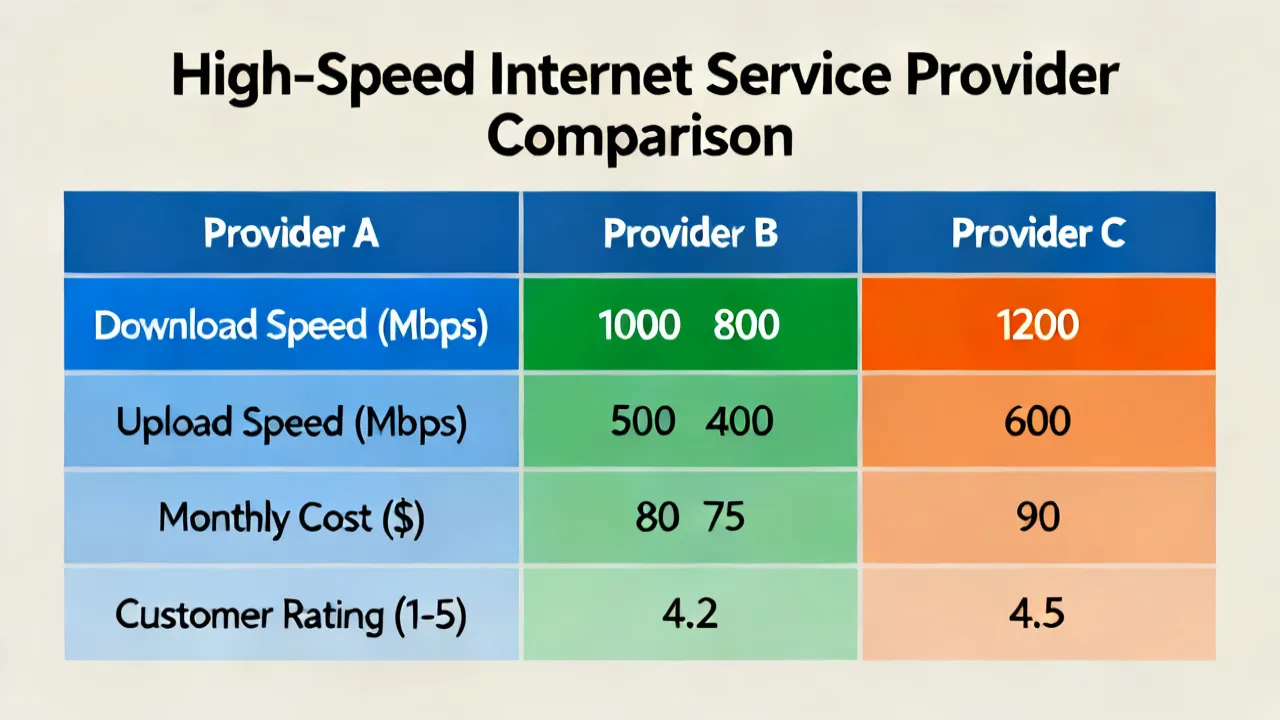
Knowing what each ISP offers helps users to make informed choices. The table below presents key information on leading Internet service providers:
| Provider | Initial Price | Notable Features |
|---|---|---|
| Xfinity | $19.99/month for 50 Mbps | No contracts, includes Wi-Fi hotspots |
| AT&T Fiber | $55/month for 300 Mbps | Symmetrical speeds, includes Wi-Fi gateway |
| Spectrum | $50/month for 500 Mbps | Unlimited data, affordable modem included |
| T-Mobile 5G Home | $35-$70/month | 5G coverage, suitable for rural areas |
| Astound Broadband | $20/month for 300 Mbps | Two-year price guarantee |
| Verizon Fios | $49.99/month for 300 Mbps | High customer satisfaction, Wi-Fi router included |
Source: Xfinity, AT&T Fiber, Spectrum, T-Mobile 5G Home, Astound Broadband, Verizon Fios
Accessing Internet at Low Cost
For those seeking affordable Internet services, a few strategic steps can lead to significant savings:
- Compare ISP packages rigorously. Different providers frequently introduce promotional offers that can result in lower initial costs.
- Take advantage of trials or introductory pricing, as seen with providers such as Xfinity and Astound Broadband.
- Look for ISPs offering optional extras like affordable equipment or no contract requirements, as these can reduce the overall expenditure.
- Investigate community programs which may offer subsidized or low-cost internet access to eligible individuals and families.
- Consider bundling services like TV or phone with your Internet package for additional savings.
- Negotiate with your ISP to lower your monthly bill, especially if you have been a long-term customer.
Global Internet Price Insights
Internet pricing varies significantly around the world. Here's a breakdown of price ranges in different countries, offering insight into local internet economies:
- United States: Approximately $30 - $100+ with high-speed options up to 1 Gbps. Rural areas might experience less competitive pricing due to limited provider options.
- United Kingdom: Around £25 - £60+, offering 30 Mbps to 100 Mbps speeds. The market is competitive, featuring numerous players offering attractive bundles.
- Canada: Ranges from CAD 50 - CAD 100+ for 25 Mbps to 1 Gbps plans. Some areas, particularly rural ones, may face higher prices due to limited infrastructure.
- New Zealand: Approximately NZD 60 - NZD 100+, with fiber and VDSL options. The government is actively working to improve digital accessibility.
- Australia: Price spans AUD 60 - AUD 110+, with an expanding fiber network. The National Broadband Network (NBN) aims to provide better access across the country.
- Singapore: Ranges from SGD 30 - SGD 60+, with highly competitive markets providing up to 1 Gbps. Availability of various plans ensures consumers have options.
Exploring Internet Accessibility Issues
Despite the vast availability of internet options, many individuals still face barriers to access. From affordability to infrastructure disparities, several issues hinder universal connectivity:
Digital Divide
The digital divide refers to the gap between individuals with easy access to the internet and those who do not, often based on socioeconomic status, geography, and education levels. Rural areas, in particular, tend to have limited broadband access, which exacerbates existing inequalities in education and job opportunities.
Affordability
For many households, the cost of internet service remains a prohibitively expensive barrier. Even in developed nations, various programs attempt to mitigate this issue, but there is still much work to be done to ensure that low-income families can enjoy the same connectivity as others.
Infrastructure Challenges
Outdated infrastructure is another significant hurdle. In some regions, providers have yet to invest in the necessary upgrades to support contemporary speeds and reliability. This creates an uneven playing field in terms of service quality, especially among competing ISPs.
The Role of Beneplace Reddit
On platforms like Beneplace Reddit, users gather to discuss experiences and share knowledge about various ISPs, promotional offers, and top practice advice in technology usage. Such platforms also serve as community hubs where collective consumer power can shape the market, driving service improvements and competitive pricing.
How to Effectively Use Beneplace Reddit
To maximize your experience on Beneplace Reddit, follow these best practices:
- Engage in Discussions: Participate actively in threads to share your experiences and queries regarding ISPs. Asking for recommendations or sharing your opinions can lead to more informed decision-making.
- Research FAQ Sections: Many threads will have compiled lists of frequently asked questions that can provide insight before you post your own questions.
- Utilize Upvotes and Downvotes: Engage with content by upvoting helpful comments and downvoting unproductive ones, which can enhance the quality of discussions over time.
- Follow Specific Subreddits: Consider subscribing to subreddits dedicated to technology or specific ISPs for tailored updates, news, and trends.
- Be Respectful and Positive: Maintain a respectful tone within discussions to encourage constructive feedback and foster a supportive community environment.
FAQs
What factors should I consider when choosing an ISP?
Key considerations include pricing, speed, reliability, customer service, and any contract requirements. Evaluating your household's unique internet needs will guide this decision, alongside factors such as bandwidth, device compatibility, and data caps.
How does Beneplace Reddit assist users?
It provides a forum for users to exchange insights and reviews about internet services, which may assist others in making informed choices. The collaborative nature of the platform fosters a sense of community, enhancing the overall experience for individuals seeking information.
What steps can I take if I am dissatisfied with my ISP?
If you're unhappy with your current service provider, the first step is to reach out to their customer service team for assistance with recurring issues. If problems persist, consider researching other options available in your area, checking out community forums for recommendations, and understanding your rights as a consumer. Documenting issues and remaining calm can also help during negotiations.
Are there alternatives to traditional ISPs?
Yes, several alternative options to traditional ISPs have emerged, such as municipal broadband services, wireless internet service providers (WISPs), and satellite internet companies. These alternatives can sometimes offer more competitive pricing or better service in areas underserved by major providers.
Conclusion
Choosing the right Internet service provider requires understanding not just the various plans available but also the broader digital landscape, including platforms like Beneplace Reddit that facilitate information sharing and community engagement. By staying informed and leveraging community resources, users can optimize their internet access and investments. The quest for connectivity is an ongoing journey, learning and adapting to the ever-evolving technology landscape that surrounds us.
Future of Internet Access
The landscape of internet access is likely to continue evolving rapidly in the coming years. Emerging technologies such as satellite internet constellations (e.g., Starlink), advancements in fiber optics, and the expansion of 5G networks promise to bring more options and improved access to consumers.
Expanding Fiber Optic Networks
As demand for high-speed internet continues to grow due to streaming services, remote work, and online education, many ISPs are investing in extensive fiber optic networks. This expansion is not only focused on urban centers but is increasingly reaching underserviced rural areas. The trend indicates a promising future for faster, more reliable internet service across diverse geographical locations.
Implications of 5G Technology
The rollout of 5G technology is set to transform how users access the internet. With incredibly high speeds and capacities, 5G can potentially eliminate the need for wired connections in certain scenarios. This transition will be particularly advantageous for mobile users, leveling the playing field in terms of access and providing an opportunity for new data-driven applications.
International Collaborations and Initiatives
International collaborations are also crucial in addressing the digital divide. Various initiatives involving governments, nonprofits, and tech companies aim to promote broader internet access, enhancing education and economic opportunities. From expanding access to developing new technologies, these efforts will play a pivotal role in shaping future internet ecosystems globally.
Disclaimer
The information presented in this article is sourced from online resources and is accurate as of October 2023. Specific access requirements and procedures should be confirmed with the respective Internet service providers. This content will not be updated in real time. The rapidly evolving landscape of technology means that staying informed will remain essential for consumers seeking optimal service.
References: Xfinity, AT&T Fiber, Spectrum, T-Mobile 5G Home, Astound Broadband, Verizon Fios