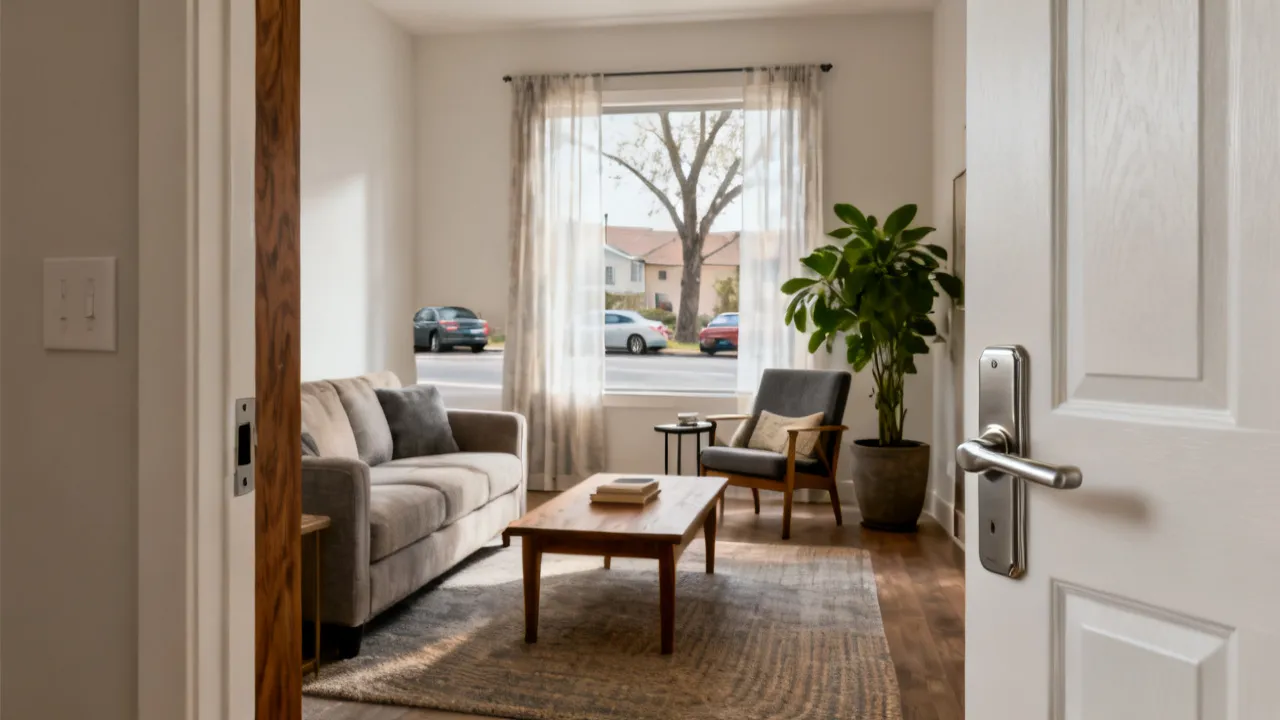
Navigating Senior Living Options Effectively
This comprehensive guide explores various senior living communities in English-speaking countries, providing insights into affordable rental options, amenities, and necessary considerations. Seniorliving.com explores facilities that promote quality living arrangements, ensuring comfort and efficiency for elders choosing independent, assisted, or memory care settings.

Understanding Senior Living Options
The landscape of senior living is diverse, catering to the varied needs and preferences of the elderly population. From independent living to more personalized care such as memory care or assisted living, choosing the right senior community involves understanding the available services and costs. This guide delves into the details of these options, focusing on practical information available on platforms such as Seniorliving.com. The decision-making process should take into consideration not only the immediate needs of seniors but also their long-term health and lifestyle preferences.
Seniors today more than ever seek to maintain their independence while having access to necessary assistance. As a result, many individuals look for communities that can grow with them as their health changes. Understanding these evolving options is fundamental in making informed choices.
Exploring Affordable Rental Options
Finding cost-effective senior living arrangements is crucial for many families. Rental costs can vary significantly based on location, amenities, and levels of care offered. Using resources like AARP and SeniorLiving.org, seniors and their families can navigate rental markets effectively in English-speaking countries. Below is a table showcasing typical rental costs:
| Country | City Type | Price Range |
|---|---|---|
| United States | Large cities (e.g., New York, San Francisco) | $2,000 - $4,000 per month |
| United Kingdom | Large cities (e.g., London) | £1,500 - £3,000 per month |
| Australia | Large cities (e.g., Sydney, Melbourne) | AUD 2,000 - 3,500 per month |
| France | Paris | €1,200 - €2,500 per month |
| Germany | Large cities (e.g., Berlin, Munich) | €1,000 - €2,000 per month |
It's important to recognize that these prices can be highly variable depending on community offerings and local demand. Basic amenities often include meal plans, laundry services, and maintenance, while additional features may incorporate wellness programs, social activities, and transportation services.
Sourcing Information from Reliable Platforms
Several platforms provide detailed insights into senior living options, helping families to ensure they make an informed choice. Here’s a brief overview of some key resources:
| Provider | Services Offered |
|---|---|
| AARP | Comprehensive guides on senior living options in the U.S. (source) |
| SeniorLiving.org | Directory and pricing information for senior living communities. (source) |
| NSCLC | Advocacy and resource support for seniors' housing rights. (source) |
| NASMM | Transition support through certified senior move managers. (source) |
These resources offer a wealth of information not only on how to find suitable living options but also on financial considerations, legal rights for seniors, and transition strategies for those moving into a new community.
Finding Low-cost Options in English-speaking Countries
Identifying affordable senior living options through a multi-step approach is crucial. Here are steps that families can take to assist in their search:
- Utilize online directories like SeniorLiving.org to compare communities and pricing.
- Seek advice and resources from organizations such as the American Association of Retired Persons (AARP), which provides tailored counseling and financial guidance depending on circumstances.
- Consider state-funded housing options and subsidies if applicable. Programs can significantly reduce costs by providing financial assistance to those who qualify.
- Engage with local community centers or senior service providers to gain insights on nearby low-cost housing options that are not always listed online.
- Ask for feedback and reviews from current residents and their families regarding their experiences to gauge satisfaction and quality of care effectively.
This stepwise approach not only helps to evaluate potential options but also opens up a broader network of resources and support systems that may be essential in the decision-making process.
Evaluating Different Types of Senior Living Communities
When considering senior living options, it’s essential to understand the differences among various types of communities. Here’s an overview of common types of senior living options:
Independent Living
Independent living communities are designed for seniors who are largely self-sufficient but may desire a supportive environment. These communities often provide amenities such as restaurants, fitness centers, and social activities. Independent living is focused on lifestyle and community engagement, offering a vibrant way of life for active seniors.
Assisted Living
Assisted living facilities are for seniors who need help with daily activities such as bathing, dressing, and medication management but do not require the intensive medical care provided in nursing homes. These facilities typically offer a higher level of personalized care and often feature amenities such as communal dining and wellness programs.
Memory Care
Memory care is specialized care aimed at seniors struggling with Alzheimer's disease or other forms of dementia. These facilities provide a safe and secured environment and focus on addressing the unique needs of their residents. Programming in memory care typically emphasizes memory retention, cognitive stimulation, and personal assistance.
Skilled Nursing Facilities
Skilled nursing facilities (SNFs) provide a higher level of medical care under the supervision of licensed healthcare professionals. These facilities are ideal for seniors recovering from surgery, illness, or who have chronic health conditions that need continuous care.
Continuing Care Retirement Communities (CCRCs)
CCRCs offer a range of housing options and levels of care on one campus, allowing residents to age in place. This means that as a person's health status changes, they can receive the appropriate level of care without having to move to a new location. This can offer great peace of mind for residents and their families.
Personalizing the Search Process
Finding the right living arrangement isn't just about facilities and costs; it's also about how well an environment fits a senior's lifestyle. Some factors to consider when personalizing the search include:
Location
The geographic location of a senior living community plays a significant role in the decision-making process. Consider proximity to family members, friends, and familiar places. Additionally, look into the area's climate, local amenities, and safety records.
Social Opportunities
One of the most critical aspects of senior living is the social environment. Communities that encourage social interaction through planned activities, clubs, and outings are often more appealing to residents. Investigate whether the community has an active social calendar and the types of activities available.
Healthcare Services
Assess whether the community provides easy access to healthcare services, whether through on-site medical professionals or nearby hospitals. Understanding what type of healthcare assistance can be received without major disruptions is vital, especially as health needs grow.
Community Ratings and Reviews
Before making a decision, check independent ratings and reviews of communities. Organizations such as the Better Business Bureau (BBB) and local health agencies can provide invaluable insights into the reputation and quality of care offered by various facilities.
Establishing a Budget
Financial considerations play a crucial role in choosing a senior living community. The potential expenses of different facilities can vary greatly, and it is essential to establish a budget that includes potential hidden costs. Factors to consider include:
Monthly Rent and Utilities
Understanding what is included in the monthly rent is essential. Some communities cover certain utilities, while others may not. It's also crucial to factor in moving costs and any potential deposits. Be clear about pricing models from the outset to avoid surprises later.
Cost of Care Services
If additional care services are necessary, understand how these are charged. Some facilities offer all-inclusive pricing, while others may charge a la carte for individual services. Knowing these distinctions early on can help manage long-term financial planning.
Financial Assistance Options
Explore financial assistance programs available to seniors, such as Medicaid, which may help cover the costs of assisted living and nursing facilities if income and asset qualifications are met. There are also local assistance programs providing subsidies and support for seniors needing financial help.
Understanding Legal Rights
As seniors transition to new living arrangements, it is critical to understand their rights. Organizations like the National Senior Citizens Law Center (NSCLC) provide valuable resources on housing rights for seniors. Know your rights regarding leases, rent increases, and eviction processes. It is essential to read all agreements carefully and ask clarifying questions to avoid any future misunderstandings.
Making the Transition to Senior Living
Transitioning to a senior living community can be a significant lifestyle change for both seniors and their families. Here are some strategies to ease the adjustment process:
Plan a Visit
Schedule a visit to potential communities to observe daily life, meet staff, and engage with residents. This provides an authentic glimpse into community culture and allows seniors to ask questions directly.
Involve Family and Friends
Family involvement can help make the transition smoother. Encourage family members to participate in the decision-making process and consider their perspectives. This understanding and shared decision-making can ease anxieties.
Pace the Move
Breaking down the moving process into manageable steps can alleviate stress. Sort through belongings, determine what to keep, and arrange for transportation. Taking time to pack memories and familiar items can help seniors feel at home in their new surroundings.
Establish Routines
Routines play a vital role in making new settings feel comfortable. Encourage seniors to participate in community activities and find new hobbies to create connections with other residents. Establishing daily routines can contribute to a feeling of normalcy amidst the changes.
FAQs
- How can I choose between independent and assisted living? Evaluate the level of daily assistance required and consider community environments that suit the individual’s lifestyle. Visiting various communities can provide greater clarity on the best fit.
- What should I consider when evaluating senior living rentals? Look into affordability, location, services provided, safety, and community engagement opportunities. It may also help to speak with current residents about their experiences for firsthand information.
- Can I access financial assistance for senior living? Yes, certain government programs and subsidies can reduce costs depending on eligibility. Researching local and state-level programs can uncover financial support specifically geared toward seniors.
- What should I do if I have a specific health condition? Consult with healthcare providers to understand what accommodations or support services may be necessary. Many senior living communities can offer customized care programs to address specific health needs.
Disclaimer: The above information is sourced from online resources, with data accurate as of October 2023. For more detailed information, please refer to the official websites linked in this article. For personalized assistance, you can also consult local senior care advisors who can help you navigate the various options within your area.