Navigating SeniorLiving Org Resources
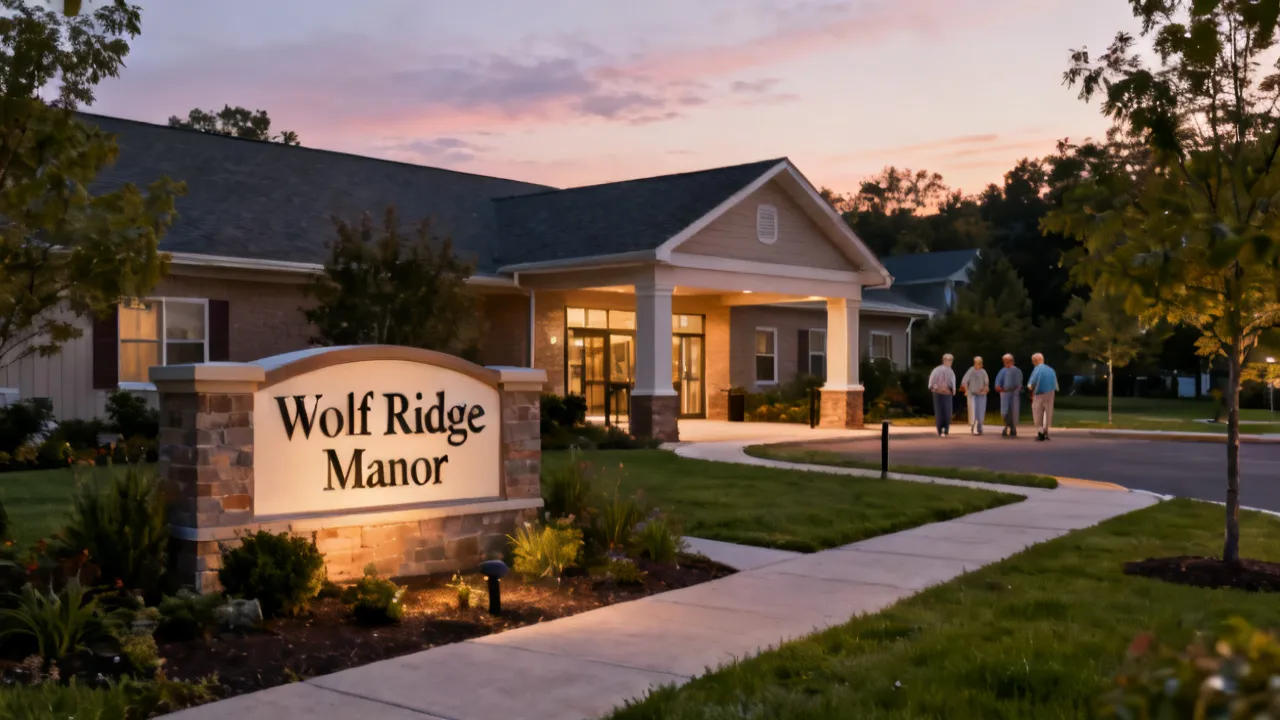
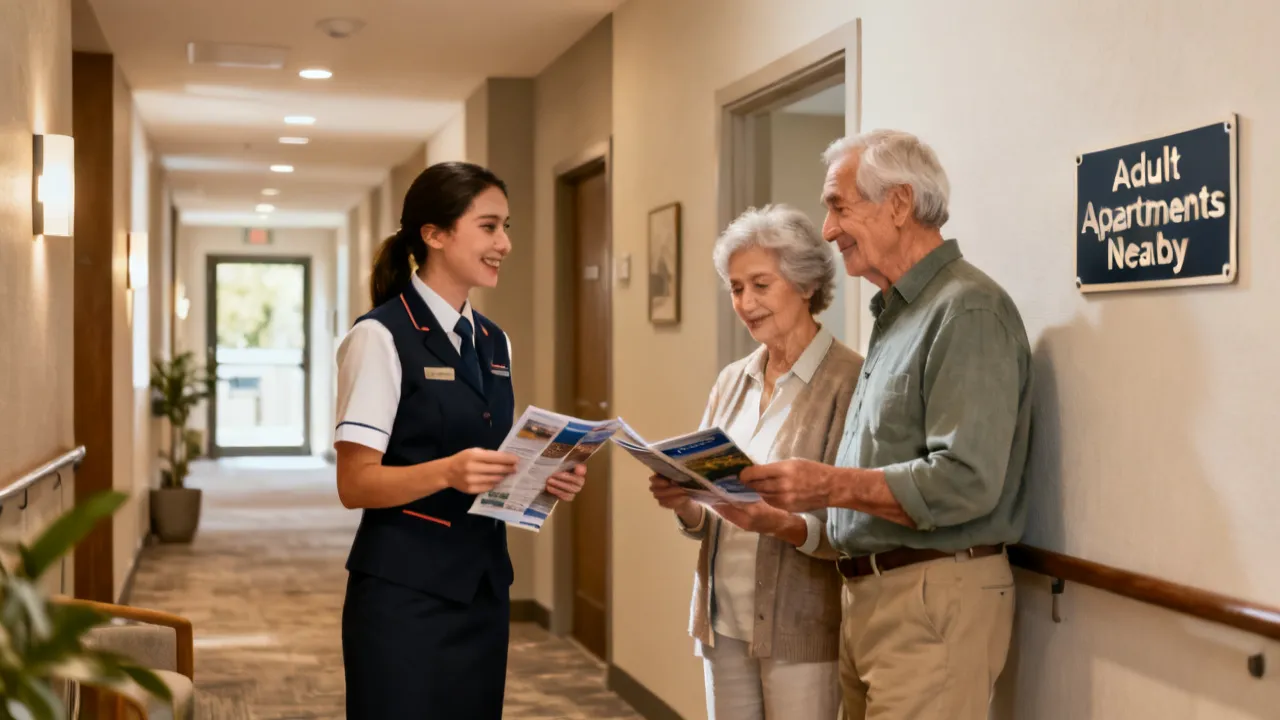
This guide explores senior living options with a focus on SeniorLiving Org. Senior living encompasses various types of accommodations and care services for older adults, including independent and assisted living. This article links resources that offer directories, pricing information, and comparisons while highlighting diverse options in English-speaking and French-speaking regions.
Understanding Senior Living Options
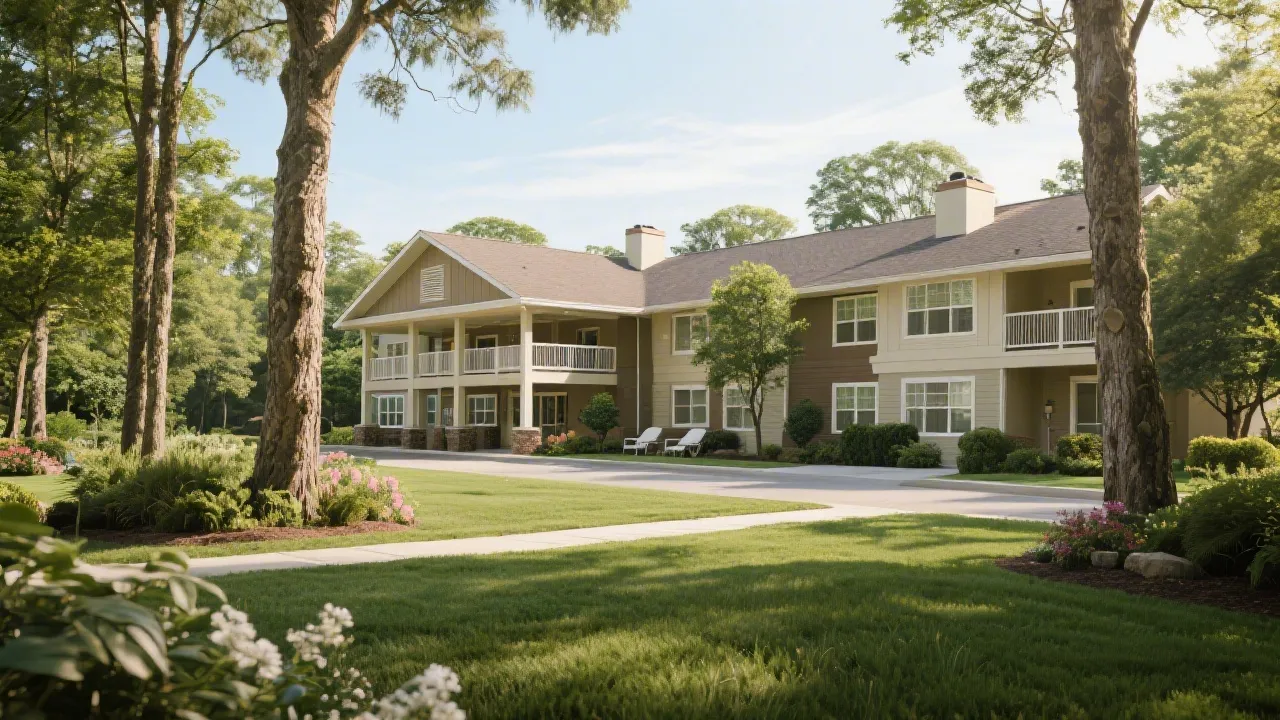
Senior living is a broad term that encompasses various forms of housing and care for older adults. It ranges from independent living communities designed for active adults over 55 to facilities offering extensive medical and support services for residents with higher care needs. As life expectancy increases, more seniors are choosing to explore different living situations that align with their lifestyle, health requirements, and financial situations. This overview aims to assist individuals in finding the top senior living arrangements, emphasizing the utility of platforms like SeniorLiving.org.
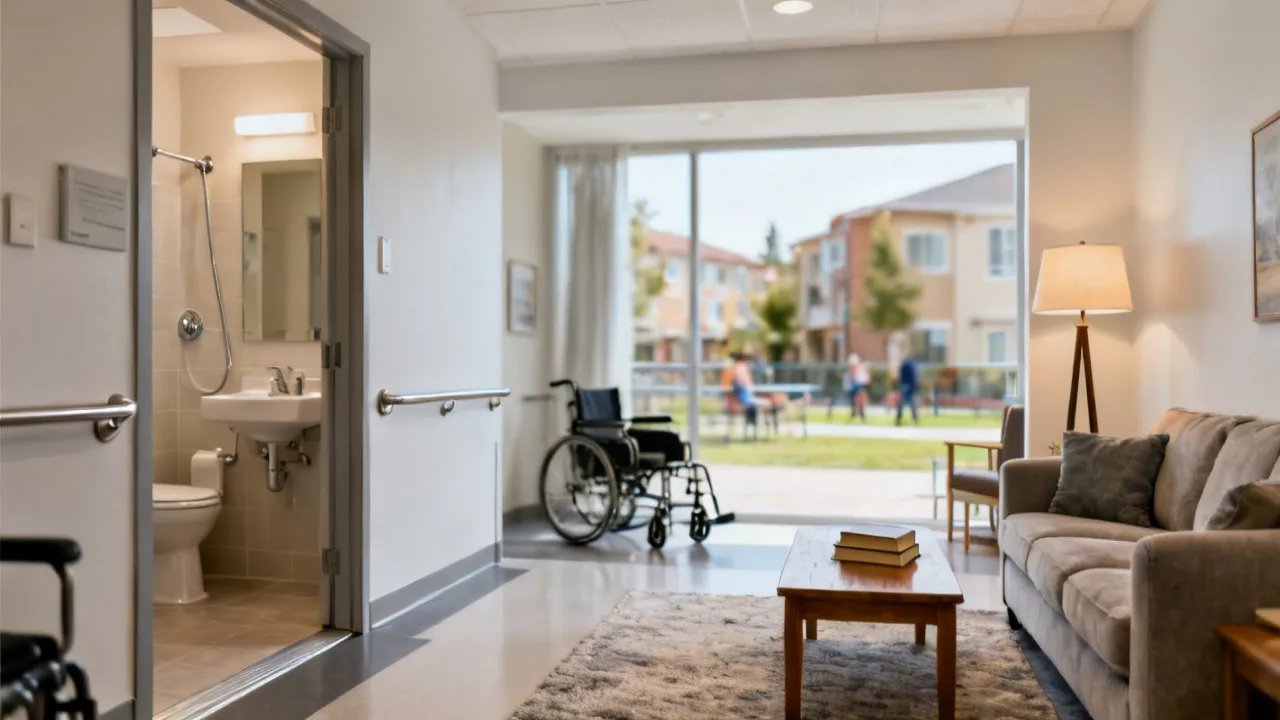
More than just a place to live, senior living options often include a variety of amenities and support systems that cater to an older adult's varied needs—from health and wellness programs to social activities that help maintain mental health. To better understand what is available, it’s essential to know the different categories of senior living options, which can range from completely independent living arrangements to facilities that provide around-the-clock medical care.
SeniorLiving.Org: A Comprehensive Resource
SeniorLiving.org serves as an invaluable resource for anyone researching senior living options in English-speaking countries. This platform offers a directory of senior living communities, detailed explanations of services like assisted living and memory care, and insights into amenities and pricing structures. The website's user-friendly design allows individuals and families to make informed decisions about appropriate accommodations for retired life.
With comprehensive information readily available, the platform allows users to filter their search according to their unique preferences, which may include geographic location, size of the community, level of care required, and available amenities. One of the significant advantages of using SeniorLiving.org is the ability to compare various facilities side-by-side, allowing prospective residents or their families to make more informed decisions about where to spend their golden years.
Comprehensive Guides from Notable Organizations
Various organizations complement the information provided by SeniorLiving.org, offering additional support and guidance in the often complex process of choosing suitable senior living options.
- AARP: AARP offers guides on selecting suitable senior living options within the U.S., focusing on independent and assisted living, memory care, and active adult communities. Their resources not only explain the different types of senior living but also provide valuable tips on how to assess personal needs and preferences in relation to each option. Visit AARP
- National Senior Citizens Law Center (NSCLC): As an advocate for senior rights, NSCLC provides vital resources on housing and care, highlighting legal rights and protections for seniors and avenues for remedy should rights be violated. This can help families navigate potential pitfalls in the search for suitable housing and care for their loved ones. Visit NSCLC
- National Association of Senior Move Managers (NASMM): Transitioning to new living environments can be overwhelming for seniors. NASMM offers certified move managers who specialize in helping seniors and their families with the complexities of moving, including organizing, downsizing, and settling into a new space. This assistance can alleviate the stress often associated with moving, allowing for a smoother transition. Visit NASMM
Pricing Considerations: A Comparative Table
| Country | City Type | Price Range |
|---|---|---|
| United States | Large cities (e.g., New York, San Francisco) | Approximately $2,000 - $4,000 per month |
| United Kingdom | Large cities (e.g., London) | Approximately £1,500 - £3,000 per month |
| Australia | Large cities (e.g., Sydney, Melbourne) | Approximately AUD 2,000 - AUD 3,500 per month |
| Spain | Large cities (e.g., Madrid, Barcelona) | Approximately €800 - €1,500 per month |
| Peru | Large cities (e.g., Lima) | Approximately PEN 1,500 - PEN 3,000 (around $400 - $800) per month |
| Argentina | Large cities (e.g., Buenos Aires) | Approximately ARS 30,000 - ARS 60,000 (around $300 - $600) per month |
| Mexico | Large cities (e.g., Mexico City) | Approximately MXN 10,000 - MXN 20,000 (around $500 - $1,000) per month |
| France | Paris | Approximately €1,200 - €2,500 per month |
| Germany | Large cities (e.g., Berlin, Munich) | Approximately €1,000 - €2,000 per month |
Understanding the financial implications of senior living can be overwhelming, but comprehensively comparing options allows for better planning and budgeting. The price ranges listed above can vary significantly based on location, facility size, and the level of care provided. It's essential for prospective residents and their families to consider not only the base living costs but also any additional fees that might apply for specialized services, amenities, or personal care needs.
Finding Affordable Senior Living in English-speaking Countries
To navigate affordable senior living options, especially in English-speaking countries, it's crucial to identify reputable resources and tools. Consult SeniorLiving.org for a directory of communities and low-cost options. Explore AARP's extensive guides that help analyze needs according to lifestyle and healthcare requirements. Considerations for affordability should include potential in-house services provided by the community, proximity to family members or support systems, and access to public transportation or essential services.
Financial planning is key to finding the best options without compromising on care quality or desired amenities. Many families consider a combination of savings, pensions, Social Security benefits, and available financial aid programs when budgeting for senior living. It might also be beneficial to engage a financial planner who specializes in elder care to help individuals strategize and understand their unique financial situation in relation to long-term care.
Exploring Options in French-speaking Regions
For French-speaking countries, resources such as Senioriales and Retraite Plus provide insights into affordable senior living communities. These platforms present similar options to those available in English-speaking nations and offer localized information beneficial for families exploring senior care solutions.
- Senioriales: This organization offers independent living accommodations located in serene environments with practical services and social activities that encourage engagement among residents. They focus on creating environments that promote active living and well-being among seniors. By providing a balance of support and independence, Senioriales helps seniors maintain autonomy while having access to necessary services. Visit Senioriales
- Retraite Plus: Specializing in assisting families in finding suitable retirement homes and care centers, Retraite Plus offers affordable advisory services to help ease the burden of decision-making. Their resources are particularly helpful for families navigating diverse options, ensuring the solutions align with both care needs and financial constraints. They guide families through the often tumultuous process of assessing facilities, aiding with everything from tours to understanding contracts. Visit Retraite Plus
- FNAQPA: The FNAQPA advocates for improving the quality of senior services in France, promoting standardization in the care of older adults. Their efforts underscore the importance of patient advocacy and service enhancement in senior living facilities, ensuring that older individuals receive the respect and care they deserve. Community transparency about services provided helps families make informed decisions while also advocating for the needs of their loved ones. Visit FNAQPA
The Importance of Planning Ahead
When considering senior living options, it is essential to plan ahead. This planning isn't simply about agreeing on what's needed now; it's also about anticipating future needs as health or mobility changes over time. Many families wait until a crisis occurs, which can limit options significantly. Taking time to evaluate personal preferences and future needs can lead to a much smoother transition into a desired living situation.
Engaging in conversations about senior living long before any changes are necessary can help clearly define what is most important—whether it be maintaining independence, access to medical facilities, or being close to family. Building a wish list and discussing it with family members can establish common goals and facilitate a collaborative conversation should the need for adjustments arise.
FAQs
Below are some frequently asked questions related to senior living to provide clarity on common concerns:
- What is the primary consideration when choosing a senior living community?
Consider the level of care required, community amenities, cost, and location. Proximity to family and friends as well as access to community resources may also play a pivotal role in one's decision. - Are there financial aid options available for senior living?
Yes, certain government programs, insurance options, and veteran benefits can help manage costs. Many states also have programs aimed at assisting low-income seniors. Additionally, some communities offer sliding scale payments based on income, giving residents flexibility in terms of financial obligation. - How do I know if independent living or assisted living is right?
Independent living is suitable for those needing minimal assistance, whereas assisted living caters to individuals requiring more daily help with personal care tasks such as bathing, dressing, and medication management. Assessing one's current health status, mobility, and the degree of social interaction desired is crucial in making this decision. - What types of activities should I expect in a senior living community?
Most senior living communities provide a range of activities tailored to residents’ interests, including fitness classes, arts and crafts, games, garden clubs, and outings to local attractions. In many cases, residents have options for participating in decision-making processes to help shape the activity calendar, encouraging a sense of ownership and involvement.
Disclaimer: The above information comes from online resources and the data is as of October 2023. For more information, please refer to the official website.
Reference Links:
Integration of Technology in Senior Living
As we move further into the digital age, technology plays an increasingly essential role in enhancing the lives of seniors in various living environments. Smart home technology, for example, facilitates improved safety and independence for older adults. Features like automated lighting, smart locks, and voice-controlled systems can help seniors manage their living spaces more effectively without assistance.
Moreover, telehealth services are becoming a cornerstone of healthcare provision in senior living communities. These services allow residents to consult with healthcare professionals from the comfort of their homes, reducing the need for physical travel and making health management more accessible. Many communities are also incorporating wellness programs that leverage technology for managing fitness and health goals, often encouraging engagement through gamification to make activities more appealing.
Training staff to utilize these technologies effectively is crucial for the seamless integration of tech solutions into day-to-day operations. Staff equipped with knowledge about these technologies can provide better support to residents, thereby improving their overall experience. By embracing technological change, senior living facilities can address the unique challenges faced by aging populations, thus enhancing both individual and community well-being.
Community Engagement and Social Interaction
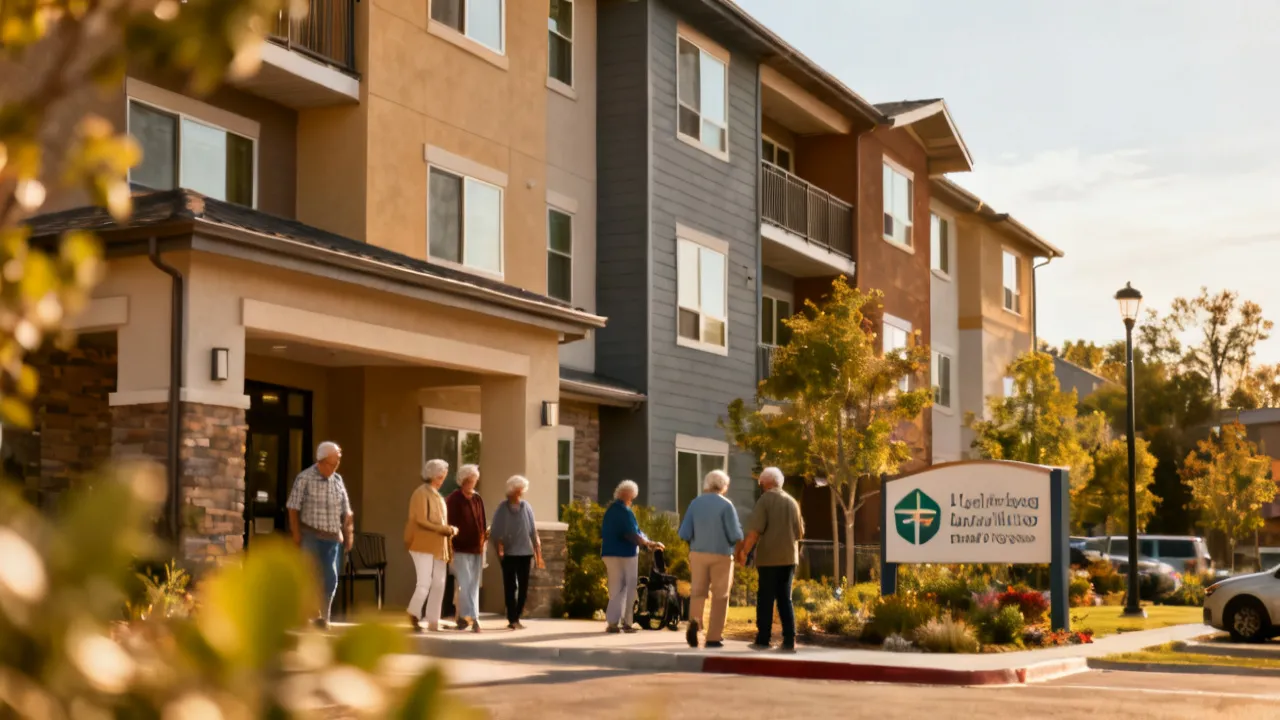
Beyond physical needs, fostering social interaction and community engagement is vital to improve the emotional and mental well-being of seniors. Many communities proactively encourage participation by organizing group activities, outings, and events that allow residents to connect and share experiences. Social interaction can reduce feelings of isolation and depression, commonly seen in older adults, while also creating opportunities for new friendships and support networks to flourish.
Facilitating relationships among residents encourages a supportive atmosphere where everyone can thrive. Many communities now include roles for residents in helping to plan activities, leading to more tailored and engaging experiences. Additionally, involvement in volunteer opportunities within the community can give seniors a sense of purpose, transforming them from recipients of care to contributors who can impact those around them. Such involvement extends beyond the walls of the facility, positively influencing both the residents and the wider community.
Considerations for Out-of-State Moves
When families consider a senior living facility that is out of their immediate area, there are additional factors to contemplate. Out-of-state moves can pose challenges including differences in healthcare services, insurance acceptance, and access to local resources that may not be readily available. It is vital for children and adult family members to evaluate these factors thoroughly in discussions about relocating a senior loved one.
Maintaining a solid support system is essential, and this might require establishing new connections with local friends and family who can help facilitate visits, assist with transportation needs, or serve as companions. It’s helpful for families to explore the new area beforehand, gather information about local services, healthcare facilities, and community offerings, and ultimately ensure that the chosen facility is conducive to the senior’s desired lifestyle and care preferences.
Potential Challenges and Solutions in Senior Living
While many seniors thrive in a community setting, some may face challenges that require proactive solutions. Common issues include problems adjusting to new environments, feelings of homesickness, or health issues such as chronic conditions that are affected by new surroundings.
Senior living organizations can mitigate these potential problems by providing comprehensive orientation programs, which help seniors acclimate to their new surroundings. These programs often include one-on-one meetings with staff, group tours, or buddy programs pairing new residents with those more established within the community.
Moreover, ongoing communication and support are essential for addressing any concerns as they arise. Open lines of communication ensure that caregivers, family members, and residents can collaboratively navigate challenges that may arise. Regular feedback sessions can also facilitate improvements at facilities, allowing management to adapt and create a nurturing living environment.
The Future of Senior Living
Looking to the future, senior living is likely to continue evolving in response to demographic trends, technological advancements, and changing societal views on aging. Emerging models, like co-housing and intergenerational living, could gain more popularity as alternatives to traditional senior living arrangements. These innovative models promote communal living, where seniors cohabitate with younger individuals or families, fostering mutual support and engaging interactions that benefit both groups.
Furthermore, as health technology continues to advance, senior living facilities will increasingly adopt telehealth resources and wearable technology to monitor health conditions in real-time, allowing for better health management and preventive care. Maintaining a focus on mental health and social connections will also influence future developments, with more communities emphasizing engagement and participation as an integrated part of their care models.
Ultimately, the landscape of senior living will be shaped by the collective needs and preferences of older adults, as well as by the innovative approaches taken by providers in the field. Whether one seeks independence, social opportunities, or comprehensive healthcare options, it is critical that each individual remains an active participant in their senior living decision-making process.