Understanding Senior Living Options
This guide delves into the world of senior living options, with a focus on Brookdale Assisted Living's offerings. Assisted living facilities like Brookdale aim to provide a comfortable living experience for seniors by offering personalized care. Learn about various resources and platforms that assist in choosing the appropriate senior housing or care arrangements.

An Overview of Assisted Living Options
Assisted living facilities, such as those offered by Brookdale, cater to seniors who require assistance with daily activities while desiring an independent lifestyle. These communities provide a variety of services, including personal care, meals, and recreation, which are essential for maintaining the well-being and quality of life for their residents. This article explores the resources and platforms available for seniors and their families to find suitable living arrangements.
Exploring Brookdale Assisted Living
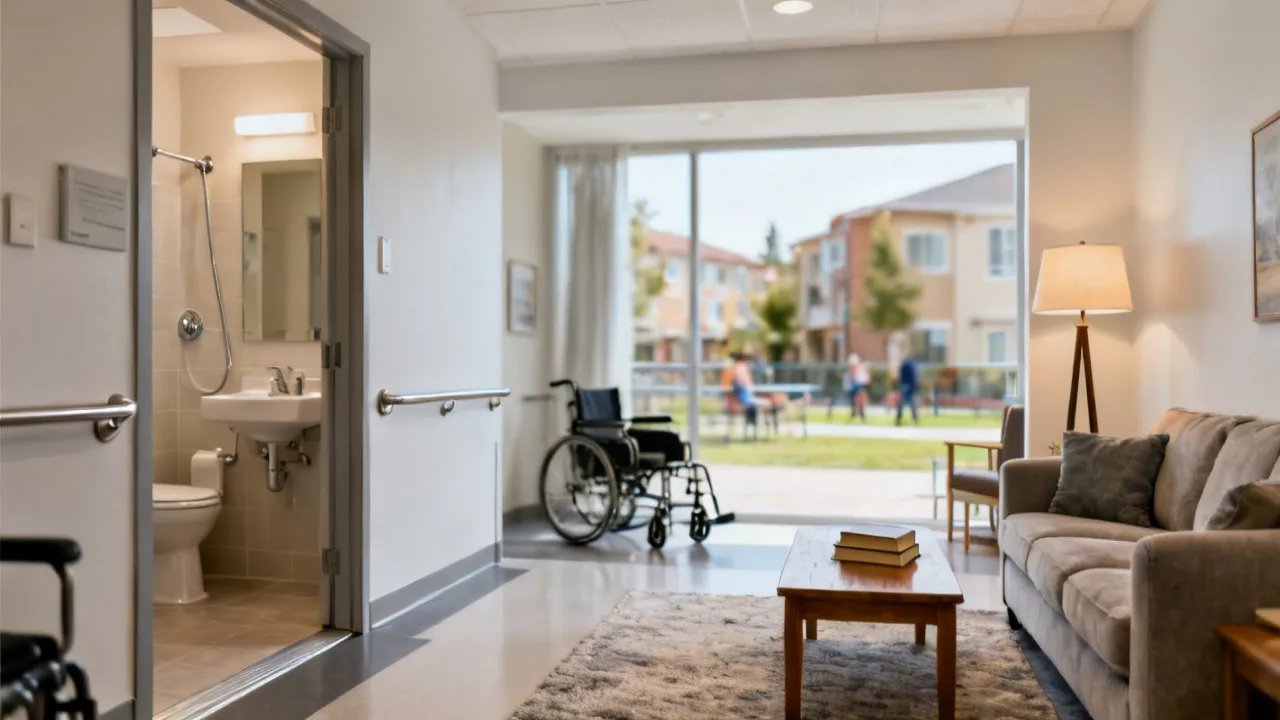
Brookdale Assisted Living is a prominent name in the assisted living sector, known for its comprehensive care and comfortable accommodation offerings that ensure a quality lifestyle for residents. The facilities prioritize personalized care tailored to individual needs, from assistance with daily routines to providing engaging social activities.
Brookdale has positioned itself as a leader in the market by offering a range of floor plans and living arrangements that cater to different preferences and budgets. Residents can choose from studio apartments to larger one-bedroom units, often equipped with kitchenette facilities that promote a sense of home and independence. Furthermore, the staff at Brookdale undergoes thorough training to ensure they can deliver the highest standard of care, focusing on dignity, respect, and the unique preferences of each resident.
In addition to individualized care plans, Brookdale also emphasizes community integration. Residents are encouraged to partake in various group activities that promote socialization, from arts and crafts to bingo nights and exercise classes. Such activities not only enhance the quality of life but also help in developing friendships and fostering connections, which are vital for emotional well-being.
Accessing Senior Living Resources
Several resources can assist families in navigating the complex process of selecting a suitable senior living option. Notable organizations and platforms in English-speaking countries include AARP and SeniorLiving.org. These resources offer insights and comparisons that can help families make informed decisions. Each organization provides unique tools and support systems designed to guide families through the often overwhelming task of finding a safe and comfortable living environment for their loved ones.
For example, AARP is an invaluable resource that presents guides and checklists on a range of topics related to senior care, which can simplify the decision-making process. SeniorLiving.org stands out by offering a comprehensive directory of senior living options where families can access vital information regarding amenities, pricing, and even reviews from current residents. Additionally, they provide educational materials that define the different types of senior living arrangements available, making it easier for families to understand their choices.
| Platform | Offerings | Purpose |
|---|---|---|
| AARP | Guides and resources on senior living | To assist those over 55 in choosing the right senior living community |
| SeniorLiving.org | Directory and information on pricing and amenities for senior living | Facilitating the search for affordable living options |
| NSCLC | Advocacy and resources on senior housing | Protecting senior rights and advocating for quality care |
| NASMM | Connect seniors with certified move managers | Ensuring smooth transitions to new living communities |
Sources: AARP, SeniorLiving.org, NSCLC, NASMM
Finding Affordable Senior Living in Various Countries
Finding low-cost senior housing can be crucial for many families. Here are steps to locate affordable living options:
- Research Online: Utilize reputable websites and platforms such as AARP and SeniorLiving.org for comprehensive listings and guides.
- Consult with Experts: Engaging with a senior move manager from NASMM can offer personalized advice and assistance for a smooth transition.
- Visit Facilities: Make visits to potential senior communities to assess their amenities and environment firsthand.
- Evaluate Financial Assistance: Explore benefits and assistance programs that may help reduce overall costs.
A Closer Look at Cost Ranges in English-speaking Countries
The cost of rental in senior living facilities varies across different regions. Below is a detailed table indicating the price ranges in various types of cities:
| Country | City Type | Price Range |
|---|---|---|
| United States | Large cities (e.g., New York) | $2,000 - $4,000 per month |
| United States | Smaller cities | $1,000 - $2,000 per month |
| United Kingdom | London | £1,500 - £3,000 per month |
| United Kingdom | Smaller cities | £800 - £1,500 per month |
| Australia | Large cities (e.g., Sydney) | AUD 2,000 - AUD 3,500 per month |
| Australia | Smaller cities | AUD 1,200 - AUD 2,000 per month |
FAQs
- What should I look for when choosing an assisted living facility? Consider the type of care needed, location, pricing, services provided, and the community environment.
- Are there any financial aid programs for assisted living? Yes, various governmental and non-governmental programs may offer financial assistance depending on location and eligibility.
- How can I ensure my loved one will be well-cared for? Regular visits, reviews, and open communication with facility staff can help ensure quality care.
Understanding Different Levels of Care in Assisted Living
Assisted living is not a one-size-fits-all solution; it encompasses various levels of care that are designed to meet the diverse needs of seniors. Understanding these options is crucial as families evaluate facilities that can best accommodate specific health conditions or lifestyle preferences.
The most common levels of care in assisted living include:
- Basic Assistance: This typically includes support with daily activities such as bathing, dressing, and medication management. Residents often maintain a high degree of independence while receiving help with just the essentials.
- Personalized Service Plans: Many facilities offer tailored service plans that allow for varying degrees of support based on individual needs. This can include specialized care for those with conditions like Alzheimer’s or other forms of dementia, where memory care is necessary.
- Skilled Nursing Care: Some assisted living facilities provide access to nursing care on-site, ensuring that residents with more complex health needs receive the attention and management necessary for their medical conditions without needing to relocate to a nursing home.
- Rehabilitation Services: Often integrated into assisted living communities, rehabilitation programs cater to residents recovering from injuries or surgery. Services may include physical therapy, occupational therapy, and speech therapy, allowing residents to regain independence and improve their quality of life.
Choosing the correct level of support plays a key role in the overall satisfaction of residents. Families should engage in discussions with facility staff to weigh their loved one's specific health requirements against the services provided, ensuring a perfect match that facilitates a smooth transition.
Understanding the Application Process
Securing a spot in an assisted living facility typically involves a structured application process, designed to ensure the best fit between the needs of the applicant and the services offered by the community. Here’s how the process usually unfolds:
- Initial Inquiry: Families often begin by reaching out to facilities of interest either by phone or through their websites to gather preliminary information about cultural alignment, services, amenities, and vacancies.
- Facility Tours: This step is crucial. Visiting the facility allows families to assess the environment, meet staff, and gain insight into daily activities and resident interactions. Observing these dynamics can provide a clearer picture of the expected quality of life post-transition.
- Assessment Interview: Facilities will conduct an assessment interview with the prospective resident to evaluate health status and care needs thoroughly. This is often done by a member of the medical staff or a care manager who will draft a personalized care plan accordingly.
- Review of Financial Options: Financial discussions are essential at this stage, where families are informed about costs, payment methods, and potential financial aid options. Transparency is vital to avoid future surprises regarding bills and additional fees.
- Final Agreements: Once a suitable care plan and financial framework are established, the final agreements are drawn up. Families will be required to sign various documents, including those outlining care services, costs, and facility policies.
The application process can vary depending on the facility and regional regulations, so engaging deeply during every step is essential in ensuring that families feel confident about their chosen path forward.
Exploring Memory Care Options
For families whose loved ones are dealing with Alzheimer’s disease or other forms of dementia, memory care offers specialized services tailored to meet the unique needs of these individuals. Memory care units are often located within assisted living facilities or can exist as dedicated centers altogether, providing a secure environment designed specifically for residents with severe cognitive impairments.
Key characteristics of memory care include:
- Safe Environments: Memory care units are typically equipped with features designed to prevent wandering and ensure resident safety, such as secure exits and monitored entrances that enhance resident security and peace of mind for families.
- Trained Staff: Staff working in memory care units often receive specialized training in understanding and managing the symptoms of dementia. This ensures a compassionate and informed approach to care, focusing on maintaining dignity and comfort for all residents.
- Engagement Activities: Activities in memory care are tailored to residents’ abilities and interests. From sensory stimulation to arts and crafts, these programs can help residents stay engaged and connected, which is vital for emotional health.
- Family Support: Many memory care facilities offer resources and workshops for families. This support can be crucial as it educates caregivers about the disease, helps them understand behaviours, and fosters communication strategies essential for effective interactions.
Not every assisted living facility provides memory care, so families must inquire about this specific option when searching for suitable accommodations. A comprehensive understanding of memory care services will help families make informed decisions that best support their loved ones.
Transitioning to Assisted Living: Tips for Families
The transition to assisted living can be an emotional and challenging process for both seniors and their families. Here are some helpful tips to ensure a smoother transition:
- Involve Your Loved One: When possible, engage your loved one in discussions about the move. Allowing them to participate in decisions about their new space can help them feel more in control and respected.
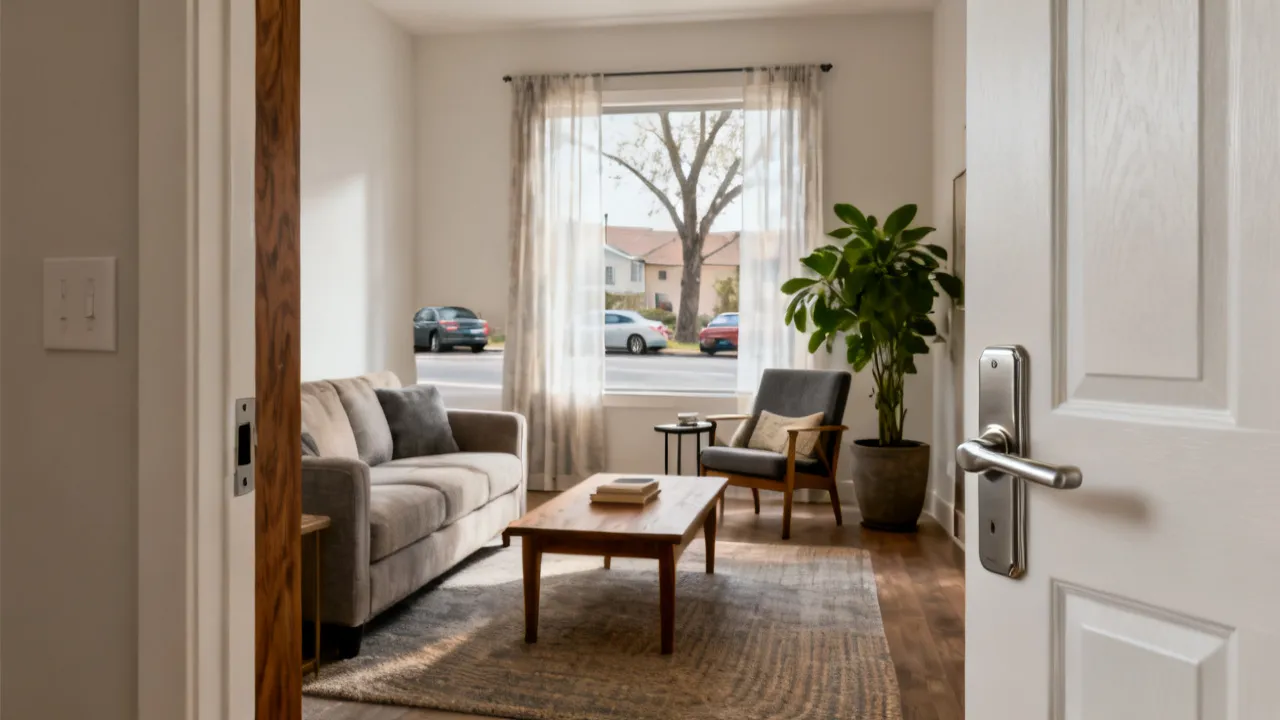
- Prepare the New Living Space: Before moving in, personalize their new environment by incorporating familiar items such as photos, favorite decorations, and personal belongings that evoke a sense of home and security.
- Adjust Expectations: Recognize that it may take time for your loved one to adjust to their new living situation. Encourage open dialogue about their feelings, and be patient as they settle into the community and routine.
- Establish a Routine: Familiarize your loved one with daily schedules and activities to create a sense of normalcy and stability. Engaging in routines can enhance feelings of comfort and belonging.
Every individual and situation is unique, and there can be ups and downs during the transition process. However, with proper preparations and support, families can facilitate a positive adjustment for their loved ones, ensuring they thrive in their new assisted living environment.
Planning for the Future: Anticipating Needs
Those considering assisted living, either for themselves or their loved ones, must also think long-term. As health conditions and personal needs can change, planning for potential future accommodations is essential. This foresight can significantly affect the overall quality of care and life for residents.
Here are some steps to consider while planning for future needs:
- Anticipate Health Changes: Regular medical evaluations can help anticipate changes in health status, allowing families and care teams to modify service plans accordingly. Engaging a geriatrician for additional input can be beneficial.
- Explore Long-term Contracts: Some facilities may offer long-term contracts that lock in current rates for extended periods. This can provide financial stability and peace of mind amidst changing needs as residents age.
- Stay Informed on Services: Learn about the various services available as health needs change. This information allows families to make timely decisions about increased or altered care without substantial disruptions in routine.
- Visit Facilities Regularly: Frequent visits not only provide an opportunity to assess the quality of ongoing care but also help maintain connections with staff and community members, enhancing overall satisfaction and comfort for residents.
By preparing in advance and adopting a forward-looking approach, families can navigate the complexities of senior care more effectively and adapt as their loved ones’ needs evolve.
Conclusion
Assisted living can be a wonderful solution for seniors who require assistance but also value their independence. With the right resources, guidance, and understanding of the variety of living options available, families can make informed decisions that lead to a fulfilling and enriching living experience for their loved ones. Whether considering facilities like Brookdale or exploring various other options and resources, the ultimate goal remains clear: to ensure a high quality of life throughout the aging process.
Disclaimer
The information provided comes from online resources as of October 2023. For more comprehensive details, refer to official websites and resources.
Reference links: www.brookdaleassistedliving.com