Navigating Senior Living Options
This comprehensive guide explores the intricacies of finding suitable senior living facilities, focusing on Seniorhousingnet.com, a pivotal resource in the sector. Learn about different living arrangements, cost structures, and services available for seniors, and compare offerings from various credible organizations, ensuring informed decisions for senior housing needs.

Introduction to Senior Housing
As the senior demographic continues to grow, the demand for diverse and specialized senior living options has significantly increased. Seniorhousingnet.com is a crucial resource for individuals and families exploring senior housing solutions, providing comprehensive listings and detailed information about various community offerings. With a range of facilities tailored to different needs and preferences, this sector is rapidly evolving to cater to the unique lifestyles of older adults today.
Understanding Senior Housing Options
Senior living options range from independent and assisted living to memory care and active adult communities. Each category caters to different needs and lifestyle preferences, making it essential for prospective residents to carefully consider their priorities, health requirements, and finances.
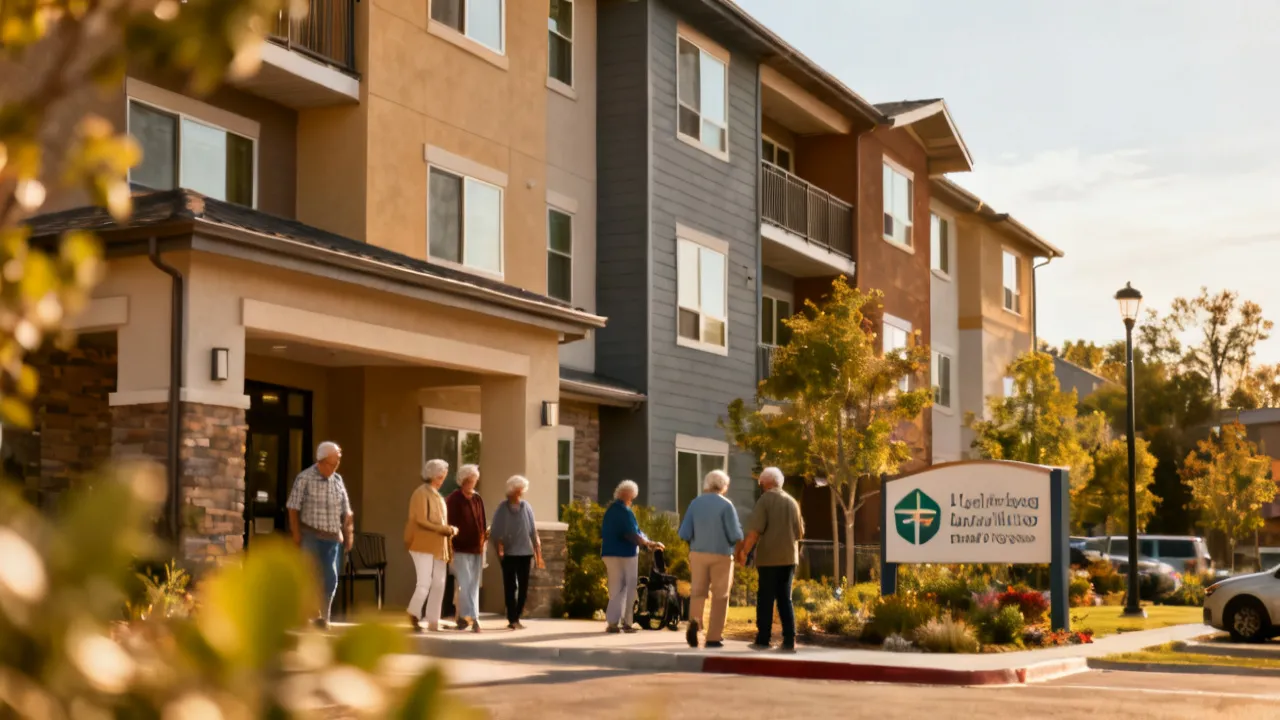
Independent living facilities provide seniors with a lifestyle that promotes autonomy while offering a sense of community. Typically, these residences offer various amenities such as dining options, social activities, and transportation services. Residents in independent living communities often enjoy spacious apartments or cottages, equipped with full kitchens and private bathrooms, allowing them to maintain their independence in a supportive environment.
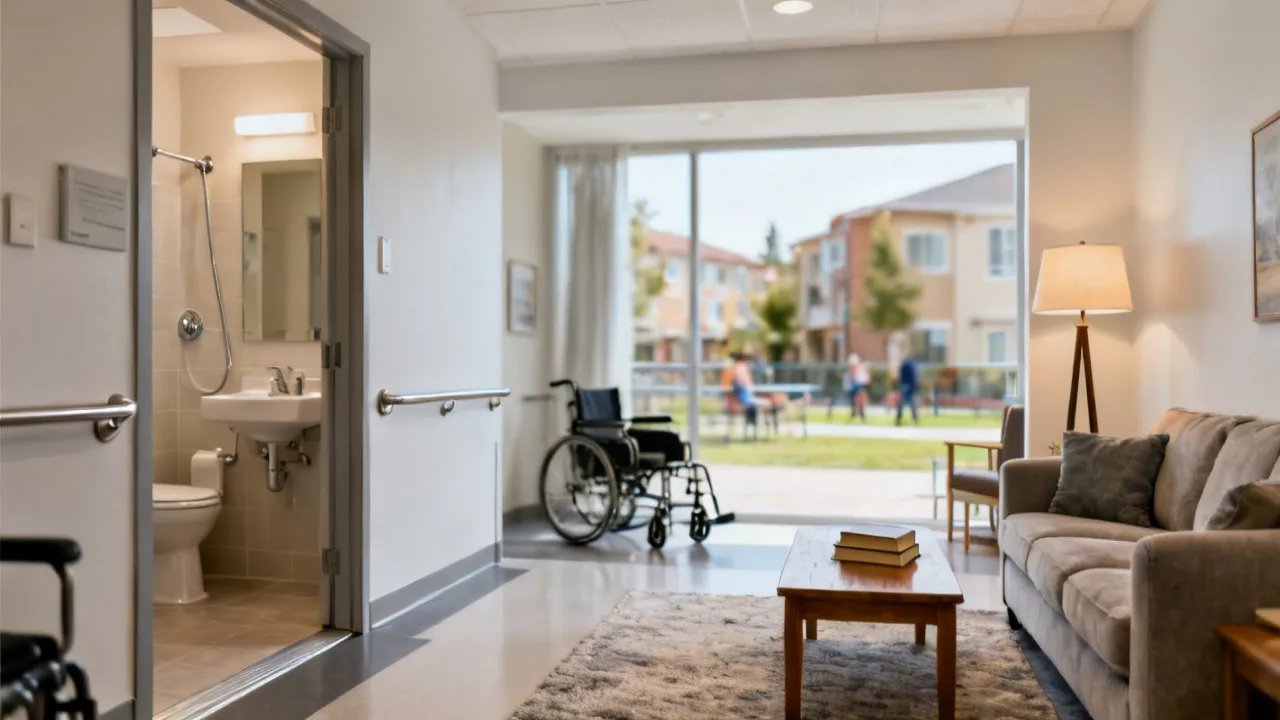
Assisted living communities, on the other hand, cater to seniors who require some assistance with daily activities but do not need round-the-clock medical care. These establishments often provide services such as help with bathing, dressing, medication management, and housekeeping. Some communities also offer specialized services for those with specific health concerns, ensuring personalized care that adapts to the changing needs of residents.
Memory care facilities focus on supporting individuals with Alzheimer's disease and other forms of dementia. These environments are designed to provide security and specialized care while enhancing the quality of life for residents. Staff members in memory care communities are trained to help residents engage in meaningful activities and with effective communication strategies that foster positive interactions.
Active adult communities are a popular choice for seniors looking to maintain an active lifestyle while enjoying a sense of community. These neighborhoods typically cater to residents aged 55 and older and offer an array of amenities such as golf courses, fitness centers, and organized social events.
Each type of senior living facility serves a unique purpose, making it imperative for prospective residents to assess their personal needs and lifestyle preferences before making a decision.
Key Online Resources for Senior Living
Several organizations provide valuable insights into the senior housing sector. Among them, AARP stands out with its extensive resources on housing options available in the United States, from guides on choosing the right facility to a thorough breakdown of living styles. Similarly, SeniorLiving.org offers a comprehensive directory and valuable pricing information. Meanwhile, the National Senior Citizens Law Center (NSCLC) focuses on advocating seniors' rights, providing essential resources on housing and care options. For logistical support, the National Association of Senior Move Managers (NASMM) connects seniors with professionals who assist in transitioning to new living arrangements.
| Website | Services Offered | Key Features |
|---|---|---|
| AARP | Guides and resources on senior living | Independent, assisted living, memory care options |
| SeniorLiving.org | Directory of senior communities | Pricing details, care types |
| NSCLC | Advocacy and resources for seniors | Focus on rights and legal support |
| NASMM | Support for transitioning seniors | Professional move management |
Source: Visit AARP, SeniorLiving.org, NSCLC, NASMM for more information.
Finding Low-Cost Options
For cost-effective senior living options, consider accessing resources that provide extensive data on community offerings. These platforms can guide you toward affordable choices tailored to specific financial situations. Understanding the cost structure of various senior living arrangements can help families and individuals make informed decisions that align with their budgets.
It’s crucial to note that the cost of senior housing can vary widely depending on geographic location, community amenities, and the level of care required. Many senior living communities provide financial assistance or sliding scale fees to accommodate residents with limited income. Exploring government programs, social services, and non-profit organizations that offer potential grants or subsidies can also uncover additional financial support.
Cost Ranges in English-speaking Countries
Understanding the average costs of senior housing across different countries can serve as a benchmark for planning and budgeting. Below is a summary of the cost ranges associated with senior living in several English-speaking countries.
| Country | City Type | Price Range |
|---|---|---|
| United States | Large cities | $2,000 - $4,000/month |
| United Kingdom | Large cities | £1,500 - £3,000/month |
| Australia | Large cities | AUD 2,000 - 3,500/month |
| Canada | Large cities | CAD 2,500 - 4,500/month |
| New Zealand | Large cities | NZD 2,000 - 3,500/month |
These figures illustrate the financial commitments often required for senior housing, emphasizing the importance of thorough research and consideration of resident needs. It’s advisable for families to contact multiple communities and request detailed information on pricing structures, initiation fees, and potential ongoing expenses, such as services offered and amenities accessible to residents.
FAQs
- What factors should be considered when choosing senior housing?
Consider personal care needs, location, community amenities, and financial budget. - Where can I find detailed guides and comparisons of senior living costs?
Resources like Seniorhousingnet.com and various dedicated platforms provide detailed analysis and up-to-date information. - How can I assess the quality of senior living facilities?
Touring facilities, speaking with current residents, and reviewing online ratings and reviews can provide insight into the quality of care and community atmosphere. - Are there any government programs to assist with senior housing costs?
Yes, many countries offer assistance programs for low-income seniors, such as Medicaid in the U.S. and various local government programs that help subsidize housing costs.
It’s essential for families to gather comprehensive and accurate information before making decisions about senior living options. Researching various facilities and speaking to experts can make a considerable difference in ensuring that the selected community will meet the specific needs and preferences of the resident.
Strategies for Transitioning to Senior Housing
Transitioning into senior housing can be a significant life change for older adults, involving a mix of emotions from excitement for a new beginning to anxiety about leaving a long-time home. To facilitate a smooth transition, families can implement several strategies. Firstly, it's crucial for the older adult to be involved in the decision-making process, ensuring their preferences and needs are identified and respected. This participatory approach can help foster a sense of control and reduce feelings of anxiety about moving.
When preparing for the move, downsizing belongings becomes a necessary step. Seniors often accumulate possessions over decades, and sorting through these can be overwhelming. Starting this process as early as possible can ease the pressure. Families can assist by helping to identify which items hold the most sentimental value and can be moved to the new residence, while also considering donations as an option for items no longer needed. Holding a garage sale or finding local charities to take items can help ease the clutter while also providing financial assistance for the move.
Creating a sense of community in the new environment is also vital. Before moving in, families can coordinate visits to the new community, allowing the resident to familiarize themselves with the surroundings. Engaging with future neighbors, participating in community events, and joining social clubs can create an inviting atmosphere and foster meaningful connections right from the start. This supportive environment can significantly ease the transition and help new residents feel valued and connected.
Challenges of Senior Housing
Despite the numerous benefits associated with senior housing, several challenges exist that prospective residents and families should consider. One of the most significant concerns is maintaining independence. For many seniors, the desire to retain control over their daily lives and decisions can be a concern when moving into assisted or supervised environments. Families can help mitigate this concern by ensuring that the chosen facility promotes an atmosphere that encourages personal autonomy, with various options for engagement and decision-making.
Another challenge is potential feelings of loneliness or isolation, especially for those transitioning from a long-time family home. It’s essential that families monitor the emotional wellbeing of their loved ones and encourage them to participate in group activities, and social gatherings or one-on-one interaction with other residents to build connections.
Financial considerations also need to be carefully evaluated. The costs associated with moving into senior housing can be substantial, and it's important for families to work collaboratively to navigate budgeting and planning. Understanding potential hidden fees, such as move-in costs or service charges, is critical in making informed financial decisions.
Lastly, the adjustment to a new living environment can take time. Many factors contribute to the adaptation process, including the physical layout of the new home, the amenities offered, and the emotional readiness of the senior. Regular family check-ins can facilitate open discussion about any concerns or problems that arise, offering continued support during the adjustment phase.
Conclusion
In conclusion, the landscape of senior housing continues to evolve, providing a wide array of options that cater to the unique needs of older adults. From independent living and active adult communities to specialized memory care facilities, understanding the types of senior housing available is the first step toward making an informed choice. By utilizing various online resources and support organizations, families can navigate this process, seeking low-cost options and assessing facilities that promote both care and community.
The transition into senior housing can present challenges, but with the right strategies in place, both seniors and their families can create an enriching and supportive living environment. Emphasizing proactive communication, fostering community engagement, and addressing emotional wellbeing are crucial components to ensuring a successful transition into senior living. As the senior population continues to grow, ongoing education and advocacy will play vital roles in enhancing the quality of senior housing and care services.
Disclaimer: The above information derives from online resources as of October 2023. Please refer to the official websites for more detailed data and updates.
Reference Links: AARP Guide, SeniorLiving.org, NSCLC, NASMM