Londonderry Towers: A Professional Guide to Living Here
Londonderry Towers are a residential option shaped by location, building amenities, and day-to-day lifestyle fit. This guide offers an objective background on the concept of purpose-built high-rise living, typical resident priorities, and how prospective tenants and buyers evaluate properties—covering practical considerations such as building management, access, and suitability for good needs.
Why Londonderry Towers Is Worth Comparing Before You Commit
If you’re evaluating Londonderry Towers as a place to live, the very important step is to compare how the building’s practical features support your everyday routine—commuting, comfort, privacy, safety processes, and good maintenance standards.
Residential high-rise living can feel appealing because it often concentrates amenities and services in one place. However, “value” is not only about the headline price of a unit. It’s also about how the building operates: response times, access controls, common-area upkeep, noise management, and how clearly the management team communicates expectations to residents.
Many people only discover these operational details after signing. That’s why comparing Londonderry Towers thoughtfully matters. When you treat a building like a system—rather than a pretty lobby or a brochure—you reduce the likelihood of surprises. And when you do comparison well, you’re not just picking a place that looks good; you’re choosing a home that supports the way you actually live.
In practice, a smart comparison process does two things at once. First, it helps you identify practical fit (for example, whether you’ll experience corridor noise or whether elevators will be a recurring frustration). Second, it gives you evidence: documents, inspection schedules, policies, and management processes that you can review before committing.
High-rises can vary significantly even when units appear similar. The difference is often not the interior finish; it’s the building’s reliability and governance—how issues are logged, escalated, completed, and communicated. That’s why you should compare Londonderry Towers against your priorities, not just against other listings.
What “Londonderry Towers” Typically Represents in a Property Context
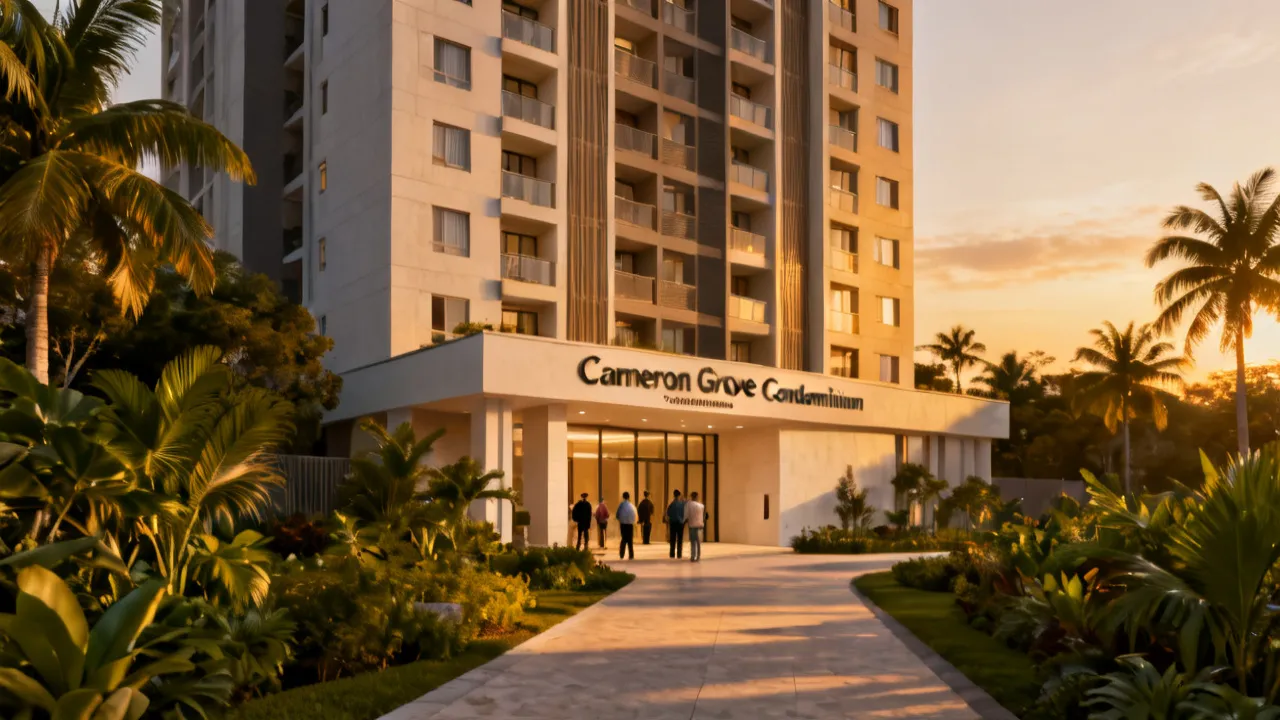
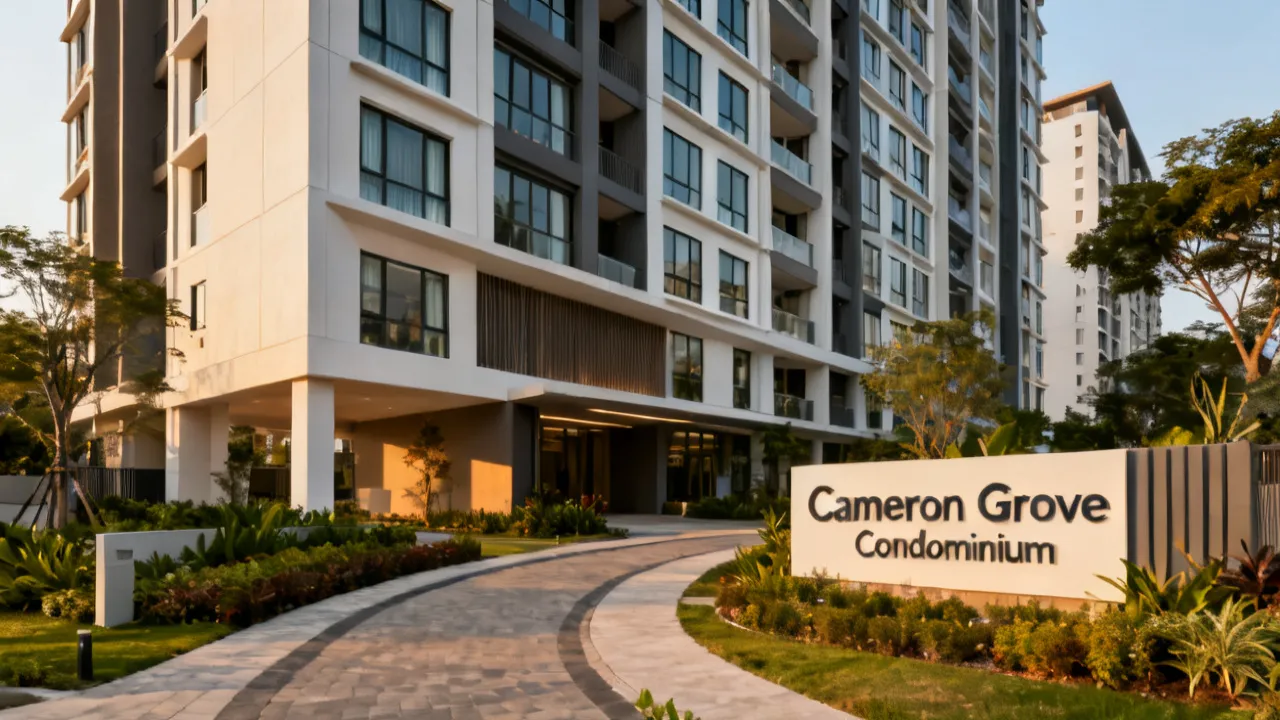
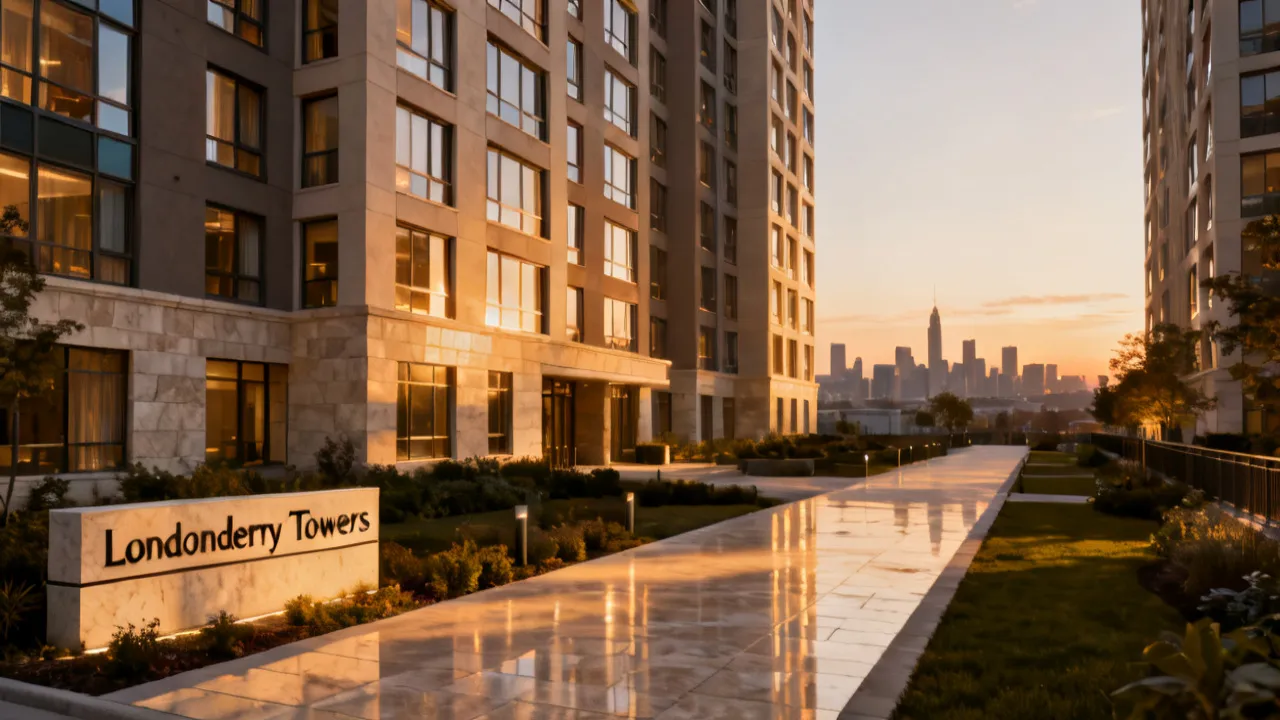
In many urban markets, properties with names like Londonderry Towers generally signal a purpose-built or renovated multi-unit residence where living spaces are organized vertically and shared areas are managed as a system. That “system” matters. For residents, it affects everything from entry logistics to how maintenance requests are handled and how shared infrastructure is managed over time.
From an industry perspective, investors and property professionals look at factors such as:
- Building governance and management quality (clear rules, consistent enforcement, documentation culture).
- Physical upkeep (exterior envelope condition, common-area cleaning schedules, elevator reliability).
- Resident experience (noise pathways, layout efficiency, parking or storage logic where applicable).
- Compliance posture (fire safety readiness, accessibility planning, and risk mitigation workflows).
The reason these elements are grouped together is that they interact. For example, a building with strong governance often has better maintenance records, which usually translates into fewer “small problems” that linger and compound. Likewise, a building that treats safety compliance as a living process—not just a checkbox—often communicates more effectively with residents.
There’s also a “brand effect” to building names. Names can reflect history, reputation, or past improvements. But even if the name carries goodwill, the only reliable truth is what current management is doing now. You want to see evidence of consistent operations rather than relying on the name alone.
When you evaluate Londonderry Towers, try to frame your questions around how the building functions on an ordinary weekday. That’s where operational maturity shows up: package deliveries, lift servicing, cleaning routines, visitor rules, and how the building handles small but annoying disruptions (like a faulty door closer or a flickering corridor light).
Key Evaluation Criteria for Prospective Residents
When people search for Londonderry Towers, they usually want to reduce uncertainty. The very reliable way to do that is to verify the building’s day-to-day realities rather than relying on impressions from listing photos.
Residential towers can look uniform from outside, but interior experiences vary because of unit orientation, proximity to shared infrastructure, and differences in how buildings respond to resident needs. A tower that runs smoothly is the one that makes daily life easier—quietly and consistently.
Here are the core evaluation categories that tend to matter most, with added practical detail so you can turn vague concerns into concrete questions.
1) Building operations: how problems get solved
Ask how maintenance requests are triaged. In well-run buildings, residents should see a structured approach: how issues are logged, who responds, typical timeframes, and how urgent matters are escalated.
When you ask about maintenance operations, don’t stop at “do you have maintenance?” Instead, ask how the process works when you file a request and what you’ll experience as a resident. You’re evaluating service reliability as much as you’re evaluating contractor quality.
For example, experts recommend comparing:
- Whether work orders include dates, priority levels, and completion notes.
- How common-area issues (lighting, doors, elevators) are handled.
- Whether there is a documented process for recurring problems.
It’s also helpful to ask whether residents can track the status of their requests. In many modern buildings, maintenance portals or email updates reduce frustration because you don’t have to repeatedly chase. If tracking isn’t available, ask how you should expect updates to be communicated.
Additionally, consider how the building handles “non-emergency” issues. In high-rises, small problems can multiply quickly: a corridor door that doesn’t close properly, a hallway sensor that keeps failing, or a stairwell light that stays out for weeks. Your evaluation should include what happens after an issue is identified, not just whether it is recognized.
Another key question is: what evidence does the building keep? Well-run towers maintain records that help them spot patterns and recurring failure points. If a building repeatedly replaces the same elevator component every year, you want to know whether they’re diagnosing root causes or just replacing symptoms.
2) Access and security practices
Security in multi-unit buildings is not only about locks—it’s also about access policies, visitor management, and whether staff and residents understand the procedures. For a building like Londonderry Towers, you should seek clarity on entry points, visitor rules, and any on-site or outsourced monitoring arrangements.
Access control influences comfort and privacy. If the building has strong controls, entry feels more predictable and visitors follow procedures rather than wandering. If controls are weak, residents can experience the opposite: crowded entry points, inconsistent visitor behavior, and frustration around deliveries.
When evaluating security practices, ask specific questions such as:
- How visitors enter (front desk process, intercom procedures, or scheduled access).
- What the building does for deliveries and packages (where they’re left, how residents retrieve them, whether tracking exists).
- How keys/cards are issued, replaced, and deactivated after move-outs.
- Whether there are cameras or monitoring systems in public and semi-public areas.
You should also evaluate “behavioral” security: signage, staff presence during peak times, and whether rules are consistent. A building can have technology, but if people don’t know how to use it (or don’t follow it), the system fails in real life.
Consider whether the building has separate access routes for residents, visitors, staff, and deliveries. Separation doesn’t always mean inconvenience—it often reduces congestion. And congestion increases irritation, which can affect your daily mood and perceived comfort.
Privacy is tightly linked to access policy. If common areas are easily accessed by non-residents, residents may feel uncomfortable using amenities. If the building requires consistent access processes, residents can feel more confident using shared spaces.
3) Unit layout efficiency and sound considerations
Sound and layout are often overlooked until someone moves in. Industry professionals typically advise visiting at different times of day if possible and paying attention to:
- Where bedrooms face (busy corridors vs. quieter interior sides).
- Whether hallways or stairwells create noticeable echoes.
- Window orientation and practical daylighting.
But “sound” is more than the presence of noise. It also includes the type of noise and how it travels. In high-rise buildings, common sources include:
- Footstep noise in corridors and stairwells.
- Door slams or hallway conversations traveling through shared walls or ceilings.
- Elevator vibrations (sometimes subtle, sometimes noticeable depending on unit proximity and design).
- Mechanical noise from vents or equipment areas.
If you can, speak to a current or previous resident (through management-approved channels where applicable). Ask targeted questions: whether they experienced corridor noise, whether the building’s quiet hours are enforced, and whether repairs were handled promptly when noise issues occurred.
Also pay attention to practical layout friction. A unit can be “roomy” on paper and still feel inconvenient because of storage locations, door swing patterns, or how much hallway exposure there is. Evaluate:
- Closet and wardrobe usability (is shelving adjustable, is space actually reachable?).
- Kitchen workflow (how you move between sink, cooking area, and fridge).
- Bathroom ventilation and whether odors dissipate effectively.
- Whether laundry facilities (if shared or in-unit) are convenient and reliable.
Sound and layout are intertwined. A poor layout can amplify noise intrusion. For example, a bedroom facing a busy corridor may expose you to recurring noise even if the building is generally quiet. Conversely, a well-oriented unit can feel serene even when other parts of the tower are busy.
When you’re evaluating Londonderry Towers, consider doing a “simulated day.” Imagine morning routines: doors opening, trash pickup, elevator usage, and deliveries. Then imagine evenings: guests arriving, corridor traffic, and how quiet hours might influence what you hear.
4) Amenities: whether they are useful or merely decorative
Many properties list amenities, but the real question is how often they’re used and whether they are maintained well. Amenities should align with your routine—gym access during your hours, secure package handling, shared lounges that are actually comfortable, and any recreational spaces that don’t degrade quickly due to heavy use.
It’s easy to assume that amenities automatically add value. In reality, amenities can be underused, poorly maintained, or too restrictive to fit your lifestyle. The goal is to evaluate both utility and maintenance.
When you review amenities in Londonderry Towers, ask:
- What are the opening hours and are they consistent?
- Is booking required (and if so, how flexible is it)?
- Are there rules for guest access or usage limits?
- How frequently are amenities cleaned, repaired, or upgraded?
Also consider “amenity friction.” For example, a gym may be attractive but could feel inconvenient if it’s located far from lifts you use frequently, or if key access is unreliable. A lounge might be nice but could be noisy if people frequently gather without boundaries. A coworking or study space might be underutilized but could also be too bright, too echo-prone, or poorly ventilated.
Package areas are a modern essential amenity even when they’re not listed as such. If the building has secure parcel lockers or a consistent delivery system, your daily routine becomes smoother. If not, you might deal with repeated trips downstairs to retrieve packages or with the frustration of missing deliveries.
Another category is outdoor space or shared gardens. Outdoor amenities can add wellbeing, but you should evaluate maintenance too: lighting, seating comfort, cleanliness, and whether the space is safe and accessible at night.
Think of amenities as a “daily utility layer.” If the utility layer doesn’t work reliably, the amenity may become more like an inconvenience than an advantage.
5) Common-area cleanliness and ongoing maintenance
Walk through corridors and shared spaces. You’re looking for signs of consistent care: updated fixtures, scuff-resistant surfaces that haven’t been left unaddressed, and a clear approach to housekeeping.
Common areas often reveal the truth about building management because they show how maintenance decisions are prioritized. A building can have a recently refreshed lobby but still neglect other shared spaces. Or a building can look rough in photos but be well maintained in practice because maintenance is frequent and issues are handled quickly.
In particular, examine:
- Stairwell condition and handrail cleanliness.
- Elevator interiors and whether doors open smoothly.
- Lighting quality (flickering bulbs, burned-out fixtures, dim corridors).
- Wall and floor wear patterns (scuffs that remain unaddressed might indicate delayed fixes).
- Door closers and signage legibility.
Also consider the timing of your visit. If you view the building right after a scheduled cleaning, it may look better than average. If possible, visit at a different time too. Even a quick second visit can tell you whether the building maintains a consistent standard or just “prepares for viewings.”
Cleanliness is also linked to pest control. High-rises with good maintenance tend to respond promptly to issues like insects or trash area odors. If you notice lingering smells or poorly maintained waste areas, treat it as a signal that the maintenance ecosystem may not be proactive.
Finally, evaluate whether common areas are repaired. A well-run tower treats scuffs, small damages, and minor malfunctions as part of regular upkeep rather than waiting until problems accumulate.
Price and Value: How to Think About Cost Without Overreaching
You asked for price information, supplier details, and location-specific content; however, no explicit pricing figures or supplier/vendor names were provided in the prompt. In this guide, the very professional approach is to explain how to evaluate price and value rather than invent numbers.
Here is an objective framework used in property due diligence:
- Compare like-for-like (same size, similar floor level, similar orientation).
- Normalize by total monthly cost where applicable, accounting for any service charges, utility arrangements, parking fees, or storage requirements.
- Assess maintenance signals—if the building shows deferred maintenance, “cheap” can become expensive.
For any named property such as Londonderry Towers, it is reasonable to request the current pricing schedule, any associated fees, and a written outline of what is included in rent or ownership costs. That documentation is the strongest basis for decisions.
Price is not a single number; it’s a bundle. A lower rent or purchase price can be offset by higher service charges, frequent special assessments, or extra fees for parking, storage, or amenity access. Similarly, a higher price can sometimes be justified if the building demonstrates reliable maintenance and strong safety compliance.
When you evaluate value, you should also consider “cost-of-convenience.” For example, if the building’s parcel process is smooth and consistent, you save time and reduce friction. If the elevator system is reliable and the building responds promptly to issues, you may avoid disruptive repair events. These “invisible” benefits are hard to price, but they are real.
To avoid overreaching financially, build a checklist of your total monthly obligations, not just the rent. For tenants, this often includes service charges, utilities arrangements, council tax arrangements where applicable, parking fees, and any recurring amenity fees. For owners, consider maintenance charges, sinking funds/reserves, insurance requirements, and any potential for major works.
Also ask whether there are known upcoming works that could increase costs. In high-rise environments, major repairs can arise: elevator modernization, roof or façade work, or compliance upgrades. A responsible management team can provide forward planning and communicate likely cost implications.
Finally, consider your own “risk tolerance.” If you place high value on predictability, you may choose a building that has stable charges and consistent maintenance. If you can tolerate some uncertainty and plan for it financially, you might consider a building with a history of renovations but slightly higher operational costs.
Supplier and Service Ecosystem: What “Supplier Details” Should Mean in Practice
In residential buildings, “supplier details” typically refers to the service ecosystem that supports operations—maintenance contractors, cleaning providers, elevator servicing partners, waste management, and any security operations vendor arrangements.
An expert viewpoint is that you should not need the vendor list to decide immediately, but you do need transparency about:
- Service contracts cadence (how often equipment is inspected and serviced).
- Who is accountable for response coordination.
- Whether emergency repairs have defined escalation routes.
If Londonderry Towers has a management office, ask what standards are used to evaluate contractors and how residents’ issues are tracked through to completion.
Here’s why supplier transparency matters even when names aren’t critical. The real question is whether services are predictable and governed by clear expectations. For example:
- A reliable elevator service program isn’t just about responding; it’s about scheduled inspections and preventive maintenance.
- A strong cleaning contractor typically has defined schedules for corridors, high-touch surfaces, rubbish areas, and seasonal cleaning tasks.
- Waste management is crucial in high-rise environments; poor waste processes can lead to odors, pests, and resident dissatisfaction.
When you ask about suppliers, request the operational standards rather than only the company names. In a good system, contractors operate under service level expectations. If you can understand those expectations, you can estimate your day-to-day experience.
Consider also the building’s approach to compliance work. Critical systems like fire alarms, sprinkler systems (if applicable), emergency lighting, and smoke control require scheduled checks and documentation. Supplier reliability here is not optional; it impacts safety.
If you’re evaluating Londonderry Towers, ask for evidence that critical systems are serviced on schedule and that inspection results are recorded. You should not be expected to navigate complexity, but you should be able to understand how the building stays compliant and how it proves that compliance.
Location Fit and Nearby Lifestyle Considerations
The prompt did not specify a city or country, and it also instructs that any {city} or {country} appearing in keywords be replaced with “nearby.” Since no location tokens were provided inside the keywords, this guide focuses on how nearby context should be evaluated in general terms.
When assessing any high-rise residence like Londonderry Towers, nearby considerations usually include:
- Commute practicality (travel time consistency, transit access, parking access logic).
- Local services (groceries, pharmacies, healthcare access).
- Noise environment (street traffic patterns, event seasons).
- Safety perceptions (lighting, pedestrian pathways, visibility at different times).
For residents in the UK and Ireland more broadly, people often value walkable daily errands and dependable transit, and they typically pay attention to whether a building feels connected rather than isolated. If Londonderry Towers is near recognizable civic facilities, schools, or employment hubs, confirm practical travel options during morning and evening peaks.
Location fit can also relate to micro-choices. For example, even if transit exists, you want to know whether it’s convenient on rainy days. Even if there’s parking nearby, you want to know whether it’s accessible at night and whether it matches your routine.
Another important angle is lifestyle and social rhythm. If your life involves after-work errands or evening activities, evaluate nearby safety, lighting, and walkability during those hours. A building that is comfortable during a daytime viewing might feel different at night due to street patterns and pedestrian traffic.
If you work irregular hours, you may also care about noise patterns. Busy roads or nightlife areas can affect how quiet your unit feels, especially if bedrooms face street-side corridors or if windows have limited sound insulation.
Finally, consider nearby services that reduce daily stress. Having a reliable grocery store, pharmacy, and healthcare services within manageable travel time can make high-rise living feel more “complete.” Otherwise, you may find that the convenience of amenities inside the building doesn’t offset the inconvenience of everyday errands outside.
Step-by-Step Due Diligence Checklist (Conditions and Requirements Included)
Use this structured approach slightly later in your evaluation process—after your initial shortlist, but before signing anything associated with Londonderry Towers.
When you follow a checklist, you reduce cognitive load. You stop relying on memory or first impressions, and you ensure that key risk areas are addressed. This is particularly important for high-rises, where the biggest issues often come from systems—management process, safety compliance, and maintenance workflow—not from cosmetic interior changes.
| Category | What to Compare | Conditions / Requirements to Confirm |
|---|---|---|
| Documentation | Availability of lease terms or ownership documents, building rules, and service charge or fee breakdowns | Request written documentation; confirm dates, included services, and amendment history where applicable |
| Maintenance Response | How issues are logged and resolved | Ask for the escalation process for urgent matters and how completion is communicated |
| Safety Systems | Fire safety readiness, inspections, and resident instructions | Confirm there are clear procedures and that safety checks are conducted on schedule |
| Noise and Layout | Unit orientation, corridor exposure, and sound pathways | If possible, visit at different times; ask how common complaints are typically handled |
| Amenities | Operational availability and upkeep quality | Verify opening hours (if applicable), maintenance schedules, and any access restrictions |
| Access and Visitors | Entry policy for residents, guests, and deliveries | Confirm visitor procedures, parcel handling, and any keys/access cards rules |
| Costs and Inclusions | Total monthly cost or ownership-related baseline expenses | Confirm what’s included vs. billed separately; request a current fee schedule |
To make this checklist even more effective, treat it as an evidence-gathering exercise. Instead of collecting vague “promises,” aim to collect specific proof: maintenance policy documents, service schedules, or building-rule summaries that you can read and reference later.
If management can’t provide documentation, consider that a risk signal. In many well-run buildings, documentation is standard because it supports consistent operations and helps residents understand rules. If documentation is difficult to access, ask why and request alternatives.
Also track your questions. A simple note list can help you follow up. If someone answers verbally but you can’t find written confirmation, request written follow-up. This prevents misunderstandings that can lead to disputes later.
Industry Comparison: How Residents Typically Rank High-Rise Priorities
To keep expectations realistic, here’s how many property professionals observe residents comparing options in practice—especially when properties like Londonderry Towers present similar unit sizes or price bands.
Residents often rank priorities like this:
- Comfort and daily friction (layout, sound, elevators, access convenience).
- Reliability of building services (maintenance responsiveness, cleanliness, equipment reliability).
- Clarity of costs (fees, inclusions, and what triggers additional charges).
- Community feel (rules that enable respectful living, shared space etiquette).
This ranking matters because it explains why two units with similar “square footage” can feel very different over the first six months.
For example, comfort and daily friction can quickly dominate your opinion about a building. If your commute includes repeated elevator delays, or if deliveries consistently create hallway congestion, you’ll experience “invisible costs” in time and energy.
Reliability of building services is the next major factor. When maintenance is responsive and consistent, residents feel supported. When maintenance is slow or unclear, even a beautiful unit can feel stressful. Residents typically notice delays most when the issue is urgent or disruptive—like hot water outages, door entry problems, or repeated corridor lighting failures.
Clarity of costs also affects satisfaction. If fees are unclear, residents may experience guilt or anxiety after the first surprise charge. Clarity reduces stress. That’s why written fee breakdowns and documented inclusions matter.
Community feel is subtle. Rules can be strict without being helpful, and rules can be flexible without being enforced. Residents often prefer rules that are fair, consistently applied, and communicated clearly. That includes enforcement around quiet hours, storage usage, and responsible amenity behavior.
Conditions and Practical Requirements Before Moving In
While the exact requirements will depend on the building’s policies for Londonderry Towers, prospective residents should generally prepare for conditions such as:
- Identity and referencing checks (for tenancy), or due diligence/qualification checks (for ownership models).
- Deposit and agreement terms that specify responsibilities and timelines.
- Insurance expectations (contents insurance for residents is commonly advised; confirm the building’s requirements).
- Rules around shared spaces (quiet hours, usage policies, storage restrictions).
- Move-in procedures including scheduling, elevator scheduling, and waste disposal expectations.
If you’re speaking with management, the goal is to obtain clear, written answers. Unclear expectations can become friction later.
Before you move, ensure you understand how your move-in day will work. In high-rise buildings, moving can be logistical: elevators need scheduling, building staff may require time windows, and rubbish removal may need coordination. If you schedule movers but the elevator isn’t available, your move day can become stressful.
Ask also about parking or loading access during move-in. Some buildings have restrictions on when large vehicles can enter. If you don’t know those rules in advance, you might arrive on a move day only to find that access is delayed or not possible.
Additionally, confirm what happens if you need repairs soon after moving in. Many residents worry about “settling issues” (like a minor leak or a fixture adjustment). A transparent process for first-repair requests helps reduce the chance that you will be blamed for issues that weren’t correctly addressed before handover.
Also ask about the building’s approach to key/access card distribution. If access is managed by cards, how long does replacement take? What documentation do you need? How are cards deactivated when needed? These questions might seem minor, but they affect your peace of mind.
If the building has communal facilities, confirm how you will register for them. Gym access, package locker access, or booking systems might require set-up steps. Knowing this early prevents delays in enjoying or using services after you move.
Expert Sourcing Notes (How This Guide Frames the Evidence)
This article provides an objective framework rather than speculative figures. For any property-related decision—especially when evaluating high-rise operations—reputable sources typically include government guidance, fire safety or building standards documents, and established industry research on housing and residential service quality.
When you review your specific paperwork for Londonderry Towers, consider cross-checking key safety and compliance concepts against authoritative standards from relevant local regulators or industry bodies.
Reliable reference types you may consult:
- Official housing and safety guidance published by government or regulator bodies in your jurisdiction.
- Industry reports from recognized real estate or housing research organizations.
- Building safety guidance that describes inspection expectations and resident responsibilities.
One of the best ways to ensure your due diligence is grounded in reality is to align your questions with recognized compliance concepts. Even if you’re not an engineer or safety professional, you can ask for documentation that confirms the building’s compliance activities.
For example, instead of asking only “is the building safe?” you can ask “what safety inspections are performed and on what schedules?” and “how are residents informed about safety procedures?” This approach helps ensure that you get meaningful answers.
Also consider accessibility requirements. In high-rise living, accessibility isn’t only about elevators; it includes how common areas are navigated, whether signage is clear, and whether access routes are usable for residents with mobility needs. A building that thinks about accessibility thoughtfully tends to reduce operational friction for everyone.
FAQs About Londonderry Towers
1) What should I verify first about Londonderry Towers?
Start with the building’s operational clarity: maintenance request workflow, emergency escalation, entry/access rules, and the current fee or rent inclusions. Written documentation is the very reliable evidence.
2) How can I assess whether the building is well maintained?
Request details on inspection schedules (especially for critical systems) and observe common areas during your visit. Look for consistent cleaning, functioning equipment, and whether minor issues are addressed promptly rather than ignored.
Additionally, ask about how maintenance priorities are determined. A building that addresses urgent hazards quickly but also corrects recurring minor issues suggests strong operational discipline. You can look for that discipline in the building’s approach to repairs and follow-ups, not just in one-off fixes.
3) Are amenities in a building like Londonderry Towers always worth paying for?
Not necessarily. The right approach is to evaluate whether each amenity is usable at your schedule, whether it’s maintained properly, and whether any amenity-related fees or restrictions affect your day-to-day life.
If amenities require booking, determine whether the booking system fits your routine. If amenities are accessible only during narrow hours, they may be less valuable. And if amenities are frequently closed for repairs or maintenance, you should factor that into your perception of value.
4) Does unit layout impact lifestyle more than I expect?
Often yes. Layout influences daily friction: storage practicality, hallway exposure, daylight patterns, and sound transfer. Two units that appear similar in photos can differ significantly in lived experience.
It’s also worth assessing whether your living habits match the layout. If you work from home, consider where daylight falls and how quiet your workspace is. If you host frequently, consider whether guest movement through common corridors feels easy or disruptive.
5) How do I compare pricing fairly if units look similar?
Compare like-for-like: similar size, similar floor level, similar orientation, and similar inclusions. Then normalize total monthly cost or baseline ownership costs. Also consider maintenance quality and any recurring issues that could increase inconvenience over time.
When you compare, ensure that the comparison includes all relevant costs—not just those visible in the listing. Service charges, parking, storage, and amenity fees can materially change the real monthly difference between two units.
6) What questions should I ask management?
Ask about maintenance triage, typical response times for urgent vs. non-urgent issues, visitor and delivery procedures, and how the building communicates updates or policy changes to residents.
You can also ask about how management measures performance. Do they have service level targets? Do they track categories of complaints? Do they review recurring issues? Strong buildings often show that they learn from resident feedback and apply corrections.
7) What are common move-in requirements I should anticipate?
Typically you’ll need agreement details, deposit or financial documentation, and compliance with building move-in procedures (timing, elevator scheduling, and waste handling). Confirm these steps in writing for Londonderry Towers.
Also ask how the building handles temporary access during move-in and what restrictions apply on certain days (for example, if move-in is limited to specific days for operational reasons). Clarifying these ahead of time can help your move go smoothly.
Conclusion: A Clear, Evidence-Based Path to Deciding on Londonderry Towers
Choosing Londonderry Towers should be approached as a structured comparison, not a snapshot decision. By focusing on operational reliability, practical comfort, clarity of costs, and safety-minded building practices, you can make a decision that holds up beyond the excitement of a first viewing.
If you’d like, share the unit size/range you’re considering, whether you’re evaluating tenancy or ownership, and any specific amenities you care about. I can then help you tailor a tighter due-diligence checklist and a question set for management.
When you compare Londonderry Towers thoroughly, you’re doing something more than choosing a building—you’re selecting a system that will support your routines for years. The best decisions are the ones made with evidence, clear expectations, and a realistic understanding of how day-to-day life will feel in a high-rise environment.