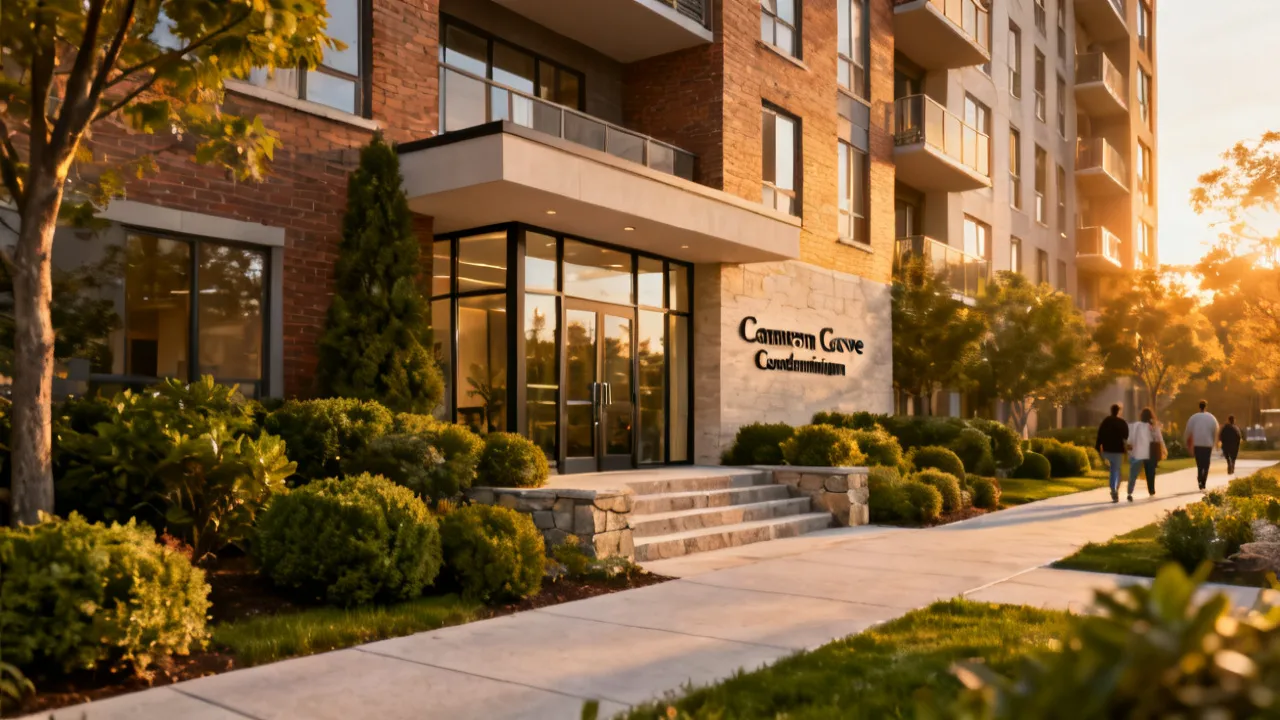
Understanding Housing in Los Angeles County
This article delves into Housing Lacounty Gov's pivotal role in managing Los Angeles County's housing requirements. The agency is crucial in addressing the area's housing challenges, ensuring policy implementation, and facilitating various housing programs. By examining the agency's initiatives, this guide offers insight into their contributions to local housing solutions, vital for comprehending the region's real estate landscape.

Introduction to Housing in Los Angeles County
Los Angeles County, known for its diverse culture and bustling urban life, faces housing challenges that are becoming increasingly complex. The agency Housing Lacounty Gov plays a crucial role in addressing these needs by organizing housing policies, offering assistance programs, and responding to the ever-growing demand for affordable housing. The population of LA County exceeds 10 million residents, making it the most populous county in the United States. This vibrant area features a rich tapestry of communities but also grapples with various housing-related issues that require comprehensive strategies and robust policy frameworks.
The Housing Lacounty Gov Portal
The Housing Lacounty Gov portal serves as a comprehensive resource for residents, offering access to vital information about housing programs, updates, and operational details concerning housing assistance. This online platform is designed to offer user-friendly navigation, helping residents of Los Angeles County to effectively find the assistance they need. The portal includes various tools such as calculators for determining housing assistance eligibility, detailed descriptions of housing programs available, and educational resources aimed at simplifying the navigation through the complex housing landscape.
Overview of Housing Challenges
- High Living Costs: Los Angeles County is known for its high property prices and rental rates, further exacerbated by ongoing demand and limited supply. In recent years, the median home price has skyrocketed, making it increasingly difficult for average residents to enter the housing market.
- Affordable Housing Shortage: There is a significant gap between the supply of affordable housing and the number of low-income families needing accommodation. According to recent surveys, LA County has an estimated shortage of over 500,000 affordable housing units for low-income families, highlighting the urgency of the situation.
- Homelessness: The region faces persistent homelessness issues, necessitating effective intervention strategies and support systems. The homeless population in LA County is among the largest in the nation, with thousands living on the streets or in temporary shelters, presenting a considerable challenge for local agencies in terms of resources and policy development.
Key Programs Offered by Housing Lacounty Gov
The agency offers numerous programs aimed at supporting residents. Below is a comparison table summarizing the key programs and their offerings:
| Program | Description |
|---|---|
| Section 8 Housing Choice Vouchers | Provides rental assistance to low-income families, enabling them to live in conventional housing. Participants find their own housing, which may include single-family homes, townhouses, and apartments, while the program covers a portion of the rent directly to the landlord. |
| Public Housing Program | Offers affordable rental options managed directly by local housing authorities. These properties are funded by federal funds specifically for low-income families, the elderly, and individuals with disabilities, offering them a stable and affordable place to live. |
| Emergency Housing Assistance | Supports individuals and families facing urgent housing crises and homelessness. This program can provide temporary financial assistance for rent, utilities, and other housing-related expenses, helping families get back on their feet during tough times. |
| Permanent Supportive Housing | This program combines affordable housing with supportive services to help individuals and families who are homeless or at risk of homelessness maintain their housing stability over the long term. |
| Homebuyer Assistance Program | Assists first-time homebuyers with programs that offer down payment assistance, financial education, and more to encourage homeownership among low- and moderate-income families. |
| Foreclosure Prevention Program | Provides counseling and resources for homeowners who are struggling to keep their houses and are at risk of losing them due to foreclosure. |
The Role of Policy and Planning
The planning division within Housing Lacounty Gov researches and develops strategies to meet current and future housing requirements. By continuously updating policies and engaging with community stakeholders, they ensure the housing infrastructure can adapt to demographic shifts and economic pressures. Furthermore, the agency conducts regular assessments of housing needs across various community segments, allowing them to adjust services and support mechanisms according to the changing landscape.
Policy initiatives include zoning reform to facilitate the construction of more affordable units, incentives for developers to include low-income housing in their projects, and the implementation of inclusionary housing ordinances that mandate a certain percentage of new housing units is reserved for low-income families. The collaboration between public and private sectors is crucial in creating more equitable housing options for all residents of Los Angeles County.
Steps to Access Housing Assistance
Accessing housing assistance through Housing Lacounty Gov involves several steps aimed at ensuring applicants meet eligibility requirements and can efficiently process their needs:
- Visit the official Housing Lacounty Gov website.
- Review the various programs available and their specific eligibility criteria. Each program may have unique requirements based on income levels, family size, and existing housing conditions.
- Complete the online application form, providing accurate and up-to-date information. It is critical to review all details for accuracy, which can significantly speed up the processing time.
- Submit necessary documentation to support your application, as specified in each program's requirements. Commonly required documents include proof of income, identification, and past rental history.
- Await confirmation and further instructions to proceed with the application process. After submission, applicants may receive requests for additional information or clarification which should be responded to promptly to avoid delays.
The Impact of Community Engagement
In Los Angeles County, community involvement is vital in shaping effective housing policies. Local organizations collaborate with Housing Lacounty Gov to offer valuable insights, ensuring housing solutions meet the unique needs of various community segments. Community forums, public meetings, and workshops serve as platforms for residents to voice their concerns and contribute to the planning processes.
Moreover, stakeholders, including neighborhood associations and advocacy groups, work together with the agency to create tailored solutions that factor in cultural, economic, and social dynamics of the neighborhoods. Initiatives such as neighborhood revitalization programs aim not just to increase housing availability but to enrich community life through parks, schools, and local businesses.
FAQs
- What is Housing Lacounty Gov?
Housing Lacounty Gov is the governmental body responsible for housing policies and programs in Los Angeles County. Formed to tackle severe housing shortages, the agency implements various programs aimed at making housing accessible for all residents. - How can I apply for housing assistance?
Applications are processed through the official website, where residents can determine their eligibility and submit necessary documents. The application process varies by program, so it's best to review specific requirements carefully. - Where can I find current housing policies?
Current policies and updates are available on the Housing Lacounty Gov portal, providing comprehensive information on housing efforts. Regular announcements and press releases also keep the public informed about changes to existing programs. - What support is there for those facing homelessness?
Emergency Housing Assistance programs are specifically designed to support individuals and families facing homelessness. This includes temporary shelter, food services, and long-term solutions aimed at helping individuals achieve permanent housing. - What types of housing assistance are available?
The agency offers various programs including rent vouchers, public housing, emergency assistance, and homebuyer programs. Each program has its specific focus and eligibility requirements, addressing different aspects of housing insecurity. - How does the Homebuyer Assistance Program work?
This program provides resources such as financial education workshops, down payment assistance, and loan counseling to eligible first-time homebuyers, helping them navigate the complexities of purchasing a home in Los Angeles County. - Can I challenge a housing decision made by Housing Lacounty Gov?
Yes, residents have the right to appeal decisions regarding housing assistance. This typically involves submitting a written appeal that explains the basis for the request for reconsideration.
Understanding the role of Housing Lacounty Gov in shaping the housing landscape is essential for anyone engaging with the real estate environment in Los Angeles County. With ongoing efforts to address housing shortages and promote affordable living solutions, this agency represents a pivotal point of contact for housing-related concerns in the region. By working together with the community, developers, and stakeholders, Housing Lacounty Gov is actively involved in developing a sustainable and inclusive housing framework that responds to the growing needs of its residents.
Housing Development Trends in Los Angeles County
As the demand for housing continues to rise in Los Angeles County, various trends have emerged in housing development, reflecting shifts in demographics, urban planning, and community needs. These trends are essential to observe as they highlight the direction of housing policies and initiatives within the region.
Emphasis on Mixed-Use Developments
One of the most significant trends is the emphasis on mixed-use developments that combine residential, commercial, and recreational spaces. This approach not only maximizes land use but also fosters community interaction and reduces the reliance on cars. By integrating living spaces with shops, restaurants, and parks, developers and planners aim to create vibrant neighborhoods that contribute to a better quality of life.
Increased Density to Address Supply Shortages
The need for greater density in housing development is also critical. With Los Angeles County’s population projected to grow significantly in the coming years, increasing the density of housing units in existing urban areas becomes paramount. This includes allowing higher building heights and reducing parking requirements to enable more housing units to be constructed, which in turn can help alleviate the pressures of high housing costs.
Focus on Sustainable Development
As climate change becomes an increasingly pressing concern, sustainable housing development practices are gaining traction. This entails utilizing eco-friendly materials, incorporating energy-efficient designs, and promoting green spaces within residential projects. Moreover, sustainable development practices support Los Angeles County’s goals in reducing its carbon footprint and enhancing resilience against climate-related risks.
Community-Centric Approaches
Moreover, there is growing recognition of the need for community-centric approaches in housing development. Engaging residents in the planning and design of housing projects ensures that new developments reflect community needs and preserve neighborhood character. Public hearings and surveys are often employed to gather opinions and suggestions from residents, fostering a sense of ownership and pride in their communities.
The Future of Housing in Los Angeles County
Looking ahead, the future of housing in Los Angeles County hinges on collaborative efforts amongst government agencies, non-profits, developers, and the community itself. Addressing the challenges posed by high living costs and increasing homelessness requires innovative solutions and a willingness to adapt to constantly changing circumstances.
Continued investment in affordable housing is critical not just for economic stability, but for the socio-economic health of the community. Policies that promote inclusivity in housing—ensuring that all income levels are represented in housing options—will be essential in creating a balanced and equitable housing market.
Investing in public transportation and infrastructure to support in-fill development can also play a significant role in shaping the housing landscape in Los Angeles County. Accessible public transit options reduce the need for personal vehicles, facilitating mobility for residents and enhancing the attractiveness of housing developments.
Finally, ongoing education and resources provided by agencies like Housing Lacounty Gov will remain indispensable in helping families navigate their housing options. By ensuring that residents are well-informed about their rights and the services available to them, the agency empowers families to pursue stable and affordable living situations.
Conclusion
As Los Angeles County continues to evolve, so too does the approach to housing and community development. By tackling unprecedented challenges, fostering innovation, and prioritizing community needs, Housing Lacounty Gov stands at the forefront of one of the most pressing social issues facing the region. Their approach emphasizes the importance of collaboration and sustainable development, ensuring that housing solutions can adapt to meet the needs of a diverse and growing population.
The complexities of the housing market in Los Angeles County necessitate a commitment from all stakeholders, including policymakers, community organizations, developers, and residents themselves. Through concerted efforts and strategic planning, a more affordable, inclusive, and sustainable housing future can be developed, benefiting all members of this diverse and vibrant county.