
The Dynamics of Affordable Housing
This article explores the landscape of affordable housing solutions, emphasizing Affordablehousing.com's role in bridging the housing gap. In the current economic climate, affordable housing presents a crucial path to homeownership for many individuals and families. Affordablehousing.com offers a platform enabling connections between landlords and potential tenants, facilitating better access to budget-friendly living arrangements.
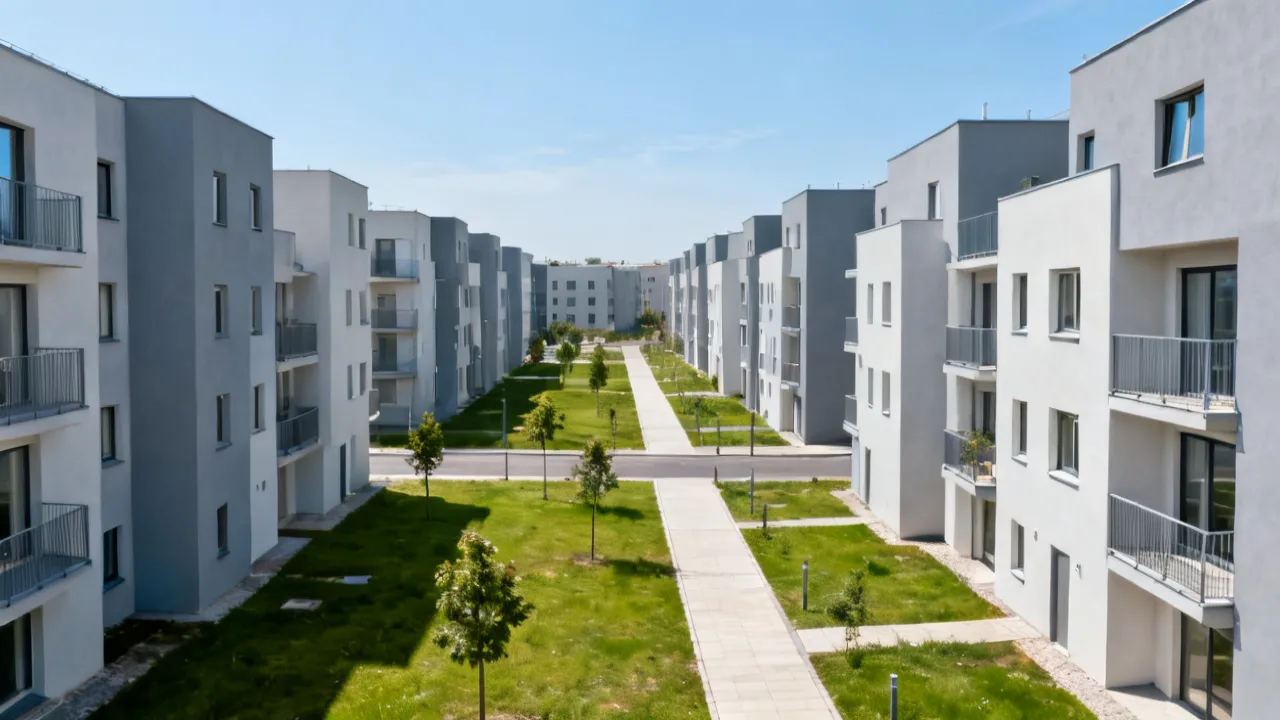
Understanding Affordable Housing
The concept of affordable housing is integral to facilitating accessible living conditions for populations across economic demographics. It ensures that individuals who fall within various income brackets can secure a home without financial strain. Affordable housing refers not only to the price of the accommodation but also to the overall availability of housing that is suitable, decent, and safe. It embodies the belief that everyone, regardless of socio-economic status, deserves a place to call home. Affordablehousing.com stands as a vital player in this sector, offering a digital platform that connects potential tenants with reasonable housing options.
The Role of Affordablehousing.com
Affordablehousing.com serves as a comprehensive directory and marketplace that streamlines the search for cost-effective housing. By leveraging this platform, users can access a breadth of listings that cater to various needs, whether based on income level, location preferences, or housing types. It simplifies the otherwise complex process of finding a home by providing a centralized resource for listings updated regularly. The platform also includes features that allow users to save their favorite listings, receive alerts for new properties, and connect directly with landlords through a seamless messaging system.
The Need for Affordable Housing
Over the past decades, the demand for affordable housing has increased significantly, driven by economic changes and urbanization trends. Key factors contributing to this need include rising property prices, stagnant wages, and increasing urban populations. According to recent studies, the number of cost-burdened renters—those who spend more than 30% of their income on housing—has steadily risen, exacerbating issues of homelessness and housing instability. Affordablehousing.com addresses these challenges by ensuring transparency in the housing market and promoting equitable access to housing resources. Furthermore, the increasing disparity between average salaries and housing costs has led to a significant portion of the population struggling to afford basic living conditions, highlighting the urgent need for effective solutions.
Experts' Perspectives on Affordable Housing
Industry experts highlight the essential role of platforms like Affordablehousing.com in supporting both landlords and tenants. For landlords, it offers a targeted audience who actively seek affordable housing solutions, reducing vacancy rates significantly. Landlords can showcase their properties to a diverse pool of renters, fostering a quicker rental process while maximizing their profits. For tenants, it provides an array of choices, enabling them to make informed decisions based not only on their financial situations but also on personal needs such as proximity to essential services, schools, and employment opportunities. Moreover, experts stress the importance of creating a balance between profit for landlords and affordability for tenants to ensure that everyone can access decent living standards.
Exploring Affordablehousing.com: Key Features
- Search Functionality: Users can filter searches based on price range, location, and other preferences to find properties that best meet their needs. The intuitive interface allows for easy navigation, ensuring users can quickly locate what they're looking for.
- Landlord-Tenant Interaction: The platform enhances communication between property owners and potential tenants, simplifying negotiations and agreements. This includes features such as in-app communication tools that help both parties discuss lease terms effectively.
- Resource Center: It provides educational materials and resources on financial planning, housing rights, and tenant responsibilities. Users can find valuable articles and webinars that cover topics such as managing household budgets, understanding leases, and navigating landlord-tenant law.
- Community Insights: Affordablehousing.com integrates user-generated reviews and ratings on properties and landlords, giving prospective tenants authentic insights into the neighborhoods and housing options available.
A Closer Look at Affordable Housing Challenges and Solutions
One of the very pressing challenges in affordable housing is the gap between supply and demand. Economic factors, coupled with regulatory barriers in construction, impede the development of affordable units. Rising land costs, the high price of construction materials, and complicated zoning laws make it increasingly difficult for developers to pursue affordable housing projects. Furthermore, the competition for limited resources often pushes low-income families further out of urban centers, exacerbating issues of access to employment and services.
Experts recommend policy interventions, public-private partnerships, and innovative financing solutions to mitigate these issues. One potential solution is to encourage the construction of mixed-income developments that combine market-rate units with affordable housing. This approach not only helps to diversify neighborhoods but also promotes social integration. Government incentives, such as tax credits for developers who include affordable units in their projects, can stimulate the creation of more housing. Additionally, enhancing the use of alternative construction methods, such as modular housing, can lower costs and speed up development timelines, making it easier to meet the increasing demand for affordable options. Public awareness campaigns and community engagement initiatives are also essential in garnering support for affordable housing projects among local residents.
Frequently Asked Questions
- What defines affordable housing? Affordable housing typically refers to housing that costs no more than 30% of a household's income. It encompasses a range of housing types, including subsidized housing, low-income housing tax credit properties, and rent-controlled units.
- How can I find affordable housing near me? Platforms like Affordablehousing.com offer location-based searches to help you find suitable options in nearby areas. Users can utilize interactive maps to pinpoint listings close to work, schools, and public transportation.
- What are the benefits for landlords using Affordablehousing.com? Landlords benefit from high visibility among potential tenants actively seeking affordable housing, which speeds up the rental process. Additionally, the platform's tools help streamline property management, effectively handling applications and tenant inquiries.
- Are there legal protections for tenants in affordable housing? Yes, there are numerous laws aimed at protecting tenants' rights, including fair housing regulations and tenant protection acts. These laws help ensure that tenants are not discriminated against based on race, gender, or economic status and that they can benefit from safe and secure living conditions.
- What resources are available for tenants who face eviction? Many community organizations and legal aid services provide support for tenants facing eviction. Resources include counseling services, legal representation, and assistance in negotiating payment plans with landlords.
Conclusion
Affordable housing is not just a necessity but a pillar of sustainable community development. Platforms like Affordablehousing.com provide crucial support in aligning housing demand with supply, promoting inclusivity and economic stability within communities. By continuing to innovate and respond to this ever-evolving market, such platforms can lead the charge in creating a more equitable housing landscape. The integration of technology within this sphere not only aids in accessibility but empowers individuals to make informed housing decisions, fostering a sense of agency among those in search of affordable options.
In an era where housing affordability continues to pose challenges for many, tools like Affordablehousing.com are indispensable. Their comprehensive approach to addressing housing needs exemplifies a forward-thinking solution to a complex social issue. Through technology, they offer not just homes, but the possibility of a better quality of life for many individuals. As communities continue to grapple with the rising cost of living and shifting economic conditions, initiatives focused on affordable housing remain essential to building resilient and thriving neighborhoods. Engaging with robust platforms is a proactive step toward ensuring that everyone has the opportunity to secure stable and affordable housing.
The Future of Affordable Housing
Looking ahead, the landscape of affordable housing is likely to evolve significantly as new policies and technologies emerge. Smart housing solutions, including energy-efficient homes and sustainable building practices, will not only address affordability but also mitigate environmental impacts. Innovations in home financing, such as shared equity models, can also provide pathways for low- and moderate-income families to build equity without facing crippling debt burdens.
Additionally, as remote work becomes more normalized, the demand for affordable housing may shift geographically, with individuals seeking larger living spaces outside major urban centers. This trend could develop new opportunities for rural and suburban areas to revitalize and provide affordable options for families looking to escape high costs associated with city life. Such transitions could help reduce the strain on urban housing markets while promoting growth in less populated regions.
Community engagement in the planning and development of affordable housing projects will be crucial. Listening to the needs and preferences of residents can help ensure that new developments are not only built but are also integrated into the communities they serve. Building mixed-use developments that incorporate retail, parks, and public spaces can enhance livability and overall community well-being.
The Role of Policy in Affordable Housing
Sound policy is a fundamental driver for fostering affordable housing. Policymakers at all levels must prioritize legislative action that encourages inclusive and sustainable housing development. Zoning reforms that allow for higher density construction, as well as the simplification of building regulations, can help bridge the supply-demand gap. Moreover, advocating for enhanced funding for affordable housing initiatives—through subsidies, grants, and tax credits—can provide vital financial support for developers and non-profit organizations working to create affordable units.
In addition to local measures, federal support remains critical. Programs such as the Housing Choice Voucher program and Low-Income Housing Tax Credit (LIHTC) play an essential role in ensuring that low-income families have access to safe, affordable housing. By revamping and expanding these programs, the federal government can alleviate some of the pressure experienced by renters and help mitigate the challenges posed by rising housing costs across the nation.
Innovative Solutions for Affordable Housing
Innovative solutions are continually being explored to combat the affordable housing crisis. For instance, the concept of Community Land Trusts (CLTs) has gained traction, enabling communities to own land collectively while developing affordable housing on it. This not only stabilizes neighborhoods but empowers residents to have a voice in local governance. CLTs help mitigate gentrification by removing land from speculative markets and ensuring long-term affordability.
Moreover, housing cooperatives present another avenue for providing affordable living options. In such arrangements, residents collectively manage the property, sharing costs and responsibilities, which can lead to reduced housing expenses. Co-ops can foster strong community ties as members work together towards common goals, enhancing social capital within neighborhoods.
Technology is also paving the way for innovative approaches to affordable housing. Digital platforms that connect tenants with off-market rental opportunities, subletting options, and shared housing arrangements can broaden the scope of affordability. Additionally, advancements in construction technology, including 3D printing and prefabricated homes, have the potential to significantly reduce construction costs, transforming how affordable housing can be developed.
The Importance of Community Engagement
The involvement of the community in affordable housing initiatives cannot be overstated. Understanding the specific needs of residents helps tailor solutions that work for existing populations. Community meetings, surveys, and public forums can provide valuable insights into what residents are looking for in their neighborhoods. Engaging with community-based organizations ensures that the voices of marginalized groups are heard, fostering inclusive decision-making in housing policies.
Furthermore, public-private partnerships that engage local businesses, non-profits, and civic organizations can unleash a wider array of resources and expertise in developing affordable housing projects. These collaborative efforts can help alleviate some of the constraints faced by developers while simultaneously addressing community concerns and priorities.
Conclusion
The journey towards achieving adequate and affordable housing for all is a complex one that demands a multifaceted approach. As affordable housing continues to be a pressing issue across the globe, the implementation of thoughtful policies, innovative programs, and community involvement will be crucial in creating solutions that are sustainable and effective. Platforms like Affordablehousing.com must continue to adapt and expand their offerings to better serve the growing needs of the population navigating the housing market. The goal remains clear: to create inclusive communities where individuals and families can thrive without the burden of housing insecurity. The future of affordable housing lies in collaboration, innovation, and commitment to equity, ensuring that everyone has the opportunity to enjoy the dignity and stability that a home provides.